










Want to bookmark your favourite articles and stories to read or reference later? Start your Independent Membership today.
Join today
Already a member?
Log in
Cabinet ministers should accept cuts to their budgets to fund reforms to the welfare system, a Labour peer has suggested.
Lord David Blunkett has said that Andy Burnham’s government has to work to provide the “sufficient resource” required to overhaul welfare.
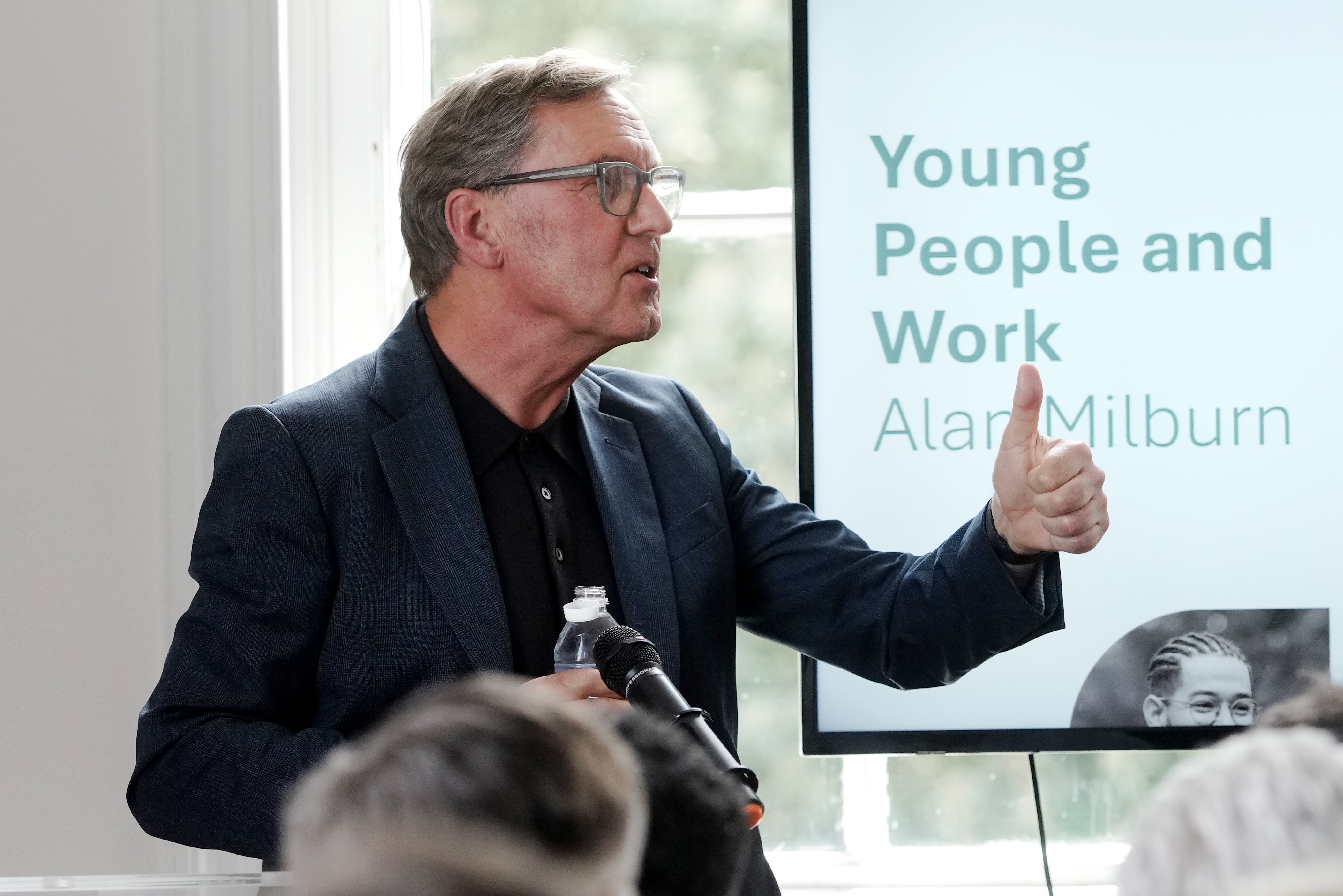
The former home secretary and close ally of Andy Burnham made the intervention ahead of the publication of the review into the so-called Neets (those aged 16-24 not in education, employment or training) crisis by Alan Milburn.
Mr Milburn has proposed a “big rewriting” of the system as part of his review to be published on Tuesday – and admitted the road will not be “pain-free”.
According to a Times report, Mr Milburn’s proposals would see young people no longer able to claim the two main sickness and disability benefits: the health element of universal credit and the personal independence payment (PIP).
They would instead move on to a “youth allowance”, paid at the same level as the standard rate of universal credit, prompting campaigners and MPs to voice concerns over the extent of future support.
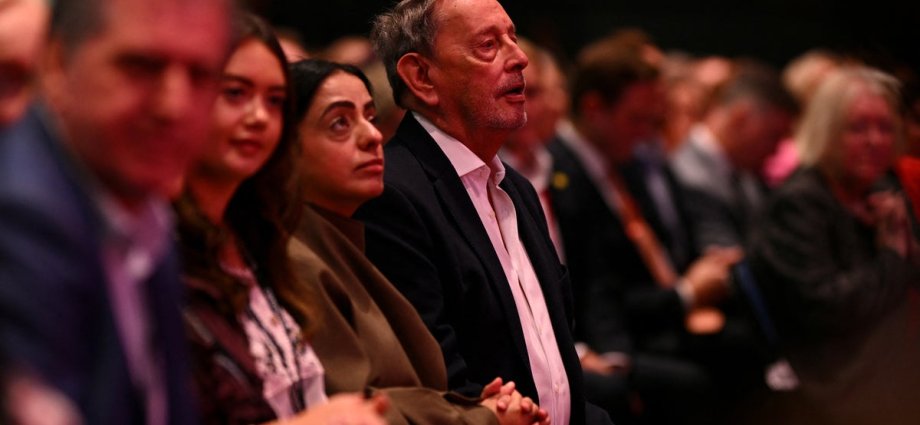
Lord Blunkett, former home secretary and close ally of the prime minister, introduced a welfare-to-work programme employment secretary in 1998, which aimed to get long-term jobless youngsters off benefits and into employment.
Writing in The Telegraph, the Labour peer said of those efforts: “With the massive help of British business and commerce, public services and the voluntary sector, we managed to meet the commitment of the following three years.
“However, what really made the difference was the windfall levy on the excess profits of the private utilities, introduced by Gordon Brown in his first Budget. Upfront money to ‘spend to save’, which worked.
“There is no such ‘windfall levy’ for Alan Milburn’s plan, but hopefully between the relevant departments there will be sufficient resource to kickstart this important work.”
Mr Milburn was commissioned under Sir Keir Starmer to review the issue of Neets, the number of which topped a million earlier this year for the first time in more than a decade.
He has previously warned the figure could rise to one in six by 2031, representing 1.25 million young people, and estimated the crisis is costing the UK around £125 billion a year – taking in factors including losses in taxes alongside higher health and welfare spending.

Mr Burnham said the Neets review will “point to a new way of supporting young people”.
No 10 has failed to rule out that reforms would affect existing claimants, saying the UK cannot afford to “continue paying the cost of failure” when young people fall out of work, education or training and should instead “invest earlier” in their success.
Mr Burnham said the detail would come out next week, but told journalists in Ireland: “I do believe it will point to a new way of supporting young people and that new way will mean giving young people support when they need it as teenagers, rather than leaving them on benefits in their 20s.”
Charities representing disabled people have expressed concern at how Mr Milburn’s proposals, which he has described as a “big rewriting of the welfare system”, might work.
And Labour MP Clive Lewis criticised the former minister for revealing some of his proposals before they can be scrutinised in full, saying MPs were left unable to answer questions from constituents about how they might be affected.
He called it irresponsible to “generate this kind of fear and uncertainty through media interviews”, adding that he had written to the House Speaker to complain.