








Want to bookmark your favourite articles and stories to read or reference later? Start your Independent Membership today.
Join today
Already a member?
Log in
An experimental gene therapy infused directly into the human brain has been found to reduce monthly seizures by more than 90 per cent in people with drug-resistant epilepsy.
The groundbreaking clinical trial, published in The New England Journal of Medicine, marks a significant advance in treating neurological disorders that fail to respond to standard pharmaceuticals.
The treatment, trialled by three adult patients, uses an engineered virus that targets and dims the precise patch of brain tissue responsible for triggering convulsions.
Around 600,000 people in the UK live with epilepsy, with roughly one in three suffering from drug-resistant forms of the condition that cannot be controlled using standard anti-seizure medications, according to research charity, Epilepsy Society.

For these individuals, uncontrolled electrical storms in the brain can lead to severe injury, cognitive decline, and significantly elevated risks of premature death.
All three participants had lived with epilepsy for between 10 and 25 years due to hippocampal sclerosis – and still suffered regular seizures in spite of trying multiple anti-seizure drugs.
To administer the therapy, surgeons delivered an engineered virus directly into the scarred brain tissue.
The virus was programmed to insert a specific gene exclusively into excitatory neurons – the brain cells responsible for driving seizure activity.
Once inside, the gene allows surrounding neurons to bind with clozapine, an existing medication, which works to dial down the electrical firing rate of the overactive cells that cause seizures.
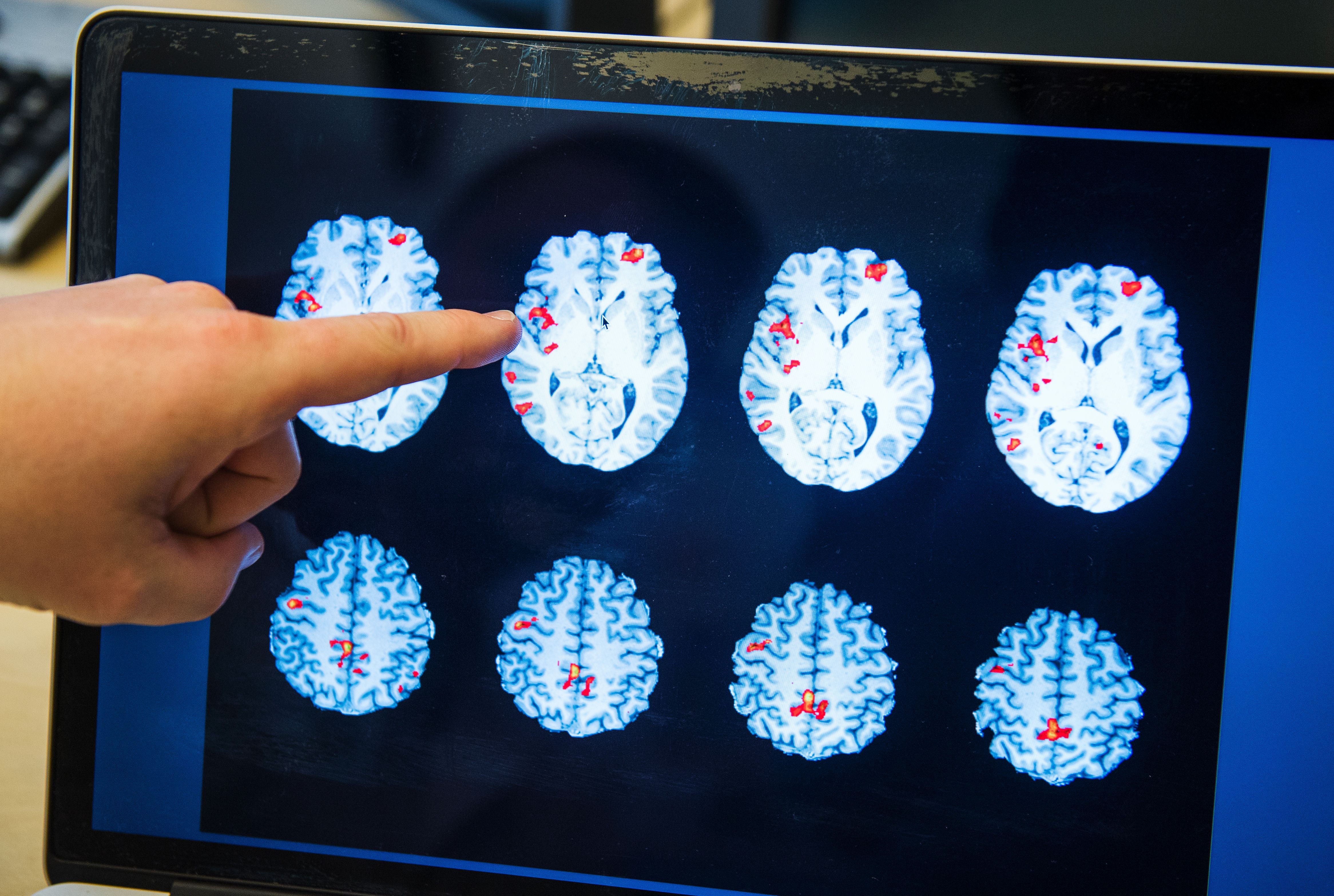
Two months later, monthly seizures fell from 4.5 to 0.5 for two participants, while the third saw their monthly seizures drop from four to zero.
When one participant accidentally stopped taking the medication, he suffered two seizures – which ceased as soon as he resumed the pills.
Because standard gene therapies cannot be easily throttled or reversed once introduced, this dual approach – known as chemogenetics, allows clinicians to adjust the strength of the therapy by varying the drug dose.
Current options for severe drug-resistant epilepsy are invasive, typically involving cutting out the damaged area of the brain or destroying tissue with lasers, explains Olivia Kim-McManus, a neurologist at the University of California, San Diego.
Dr Kim-McManus noted that while the new technique still requires surgery, it still preserves the patient’s brain tissue while combining surgical precision and gene therapy in a single intervention.

Other independent specialists have similarly welcomed the findings.
“It’s exciting that there’s such a dramatic effect, and that they see very few side effects,” said Matthew Walker, a neurologist at University College London, who was not involved in the research.
However, Professor Walker noted that the sample size remains extremely small and raised concerns over the extended use of clozapine.
At high doses, the antipsychotic medication has been linked to adverse cardiovascular outcomes and other significant complications.
“In the future, hopefully there are going to be better drugs [for this]” Professor Walker added.
Researchers now plan to monitor the three patients over the long term while preparing larger trials to assess whether the technique can safely help more people living with untreatable epilepsy.