







Want to bookmark your favourite articles and stories to read or reference later? Start your Independent Membership today.
Join today
Already a member?
Log in
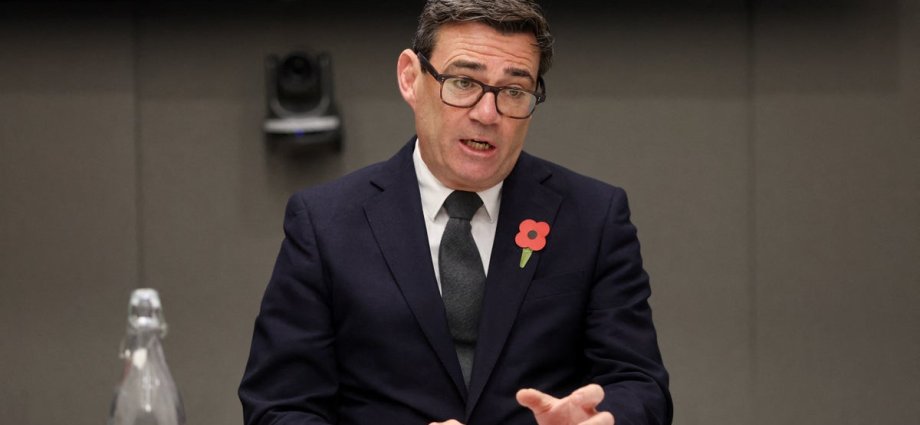
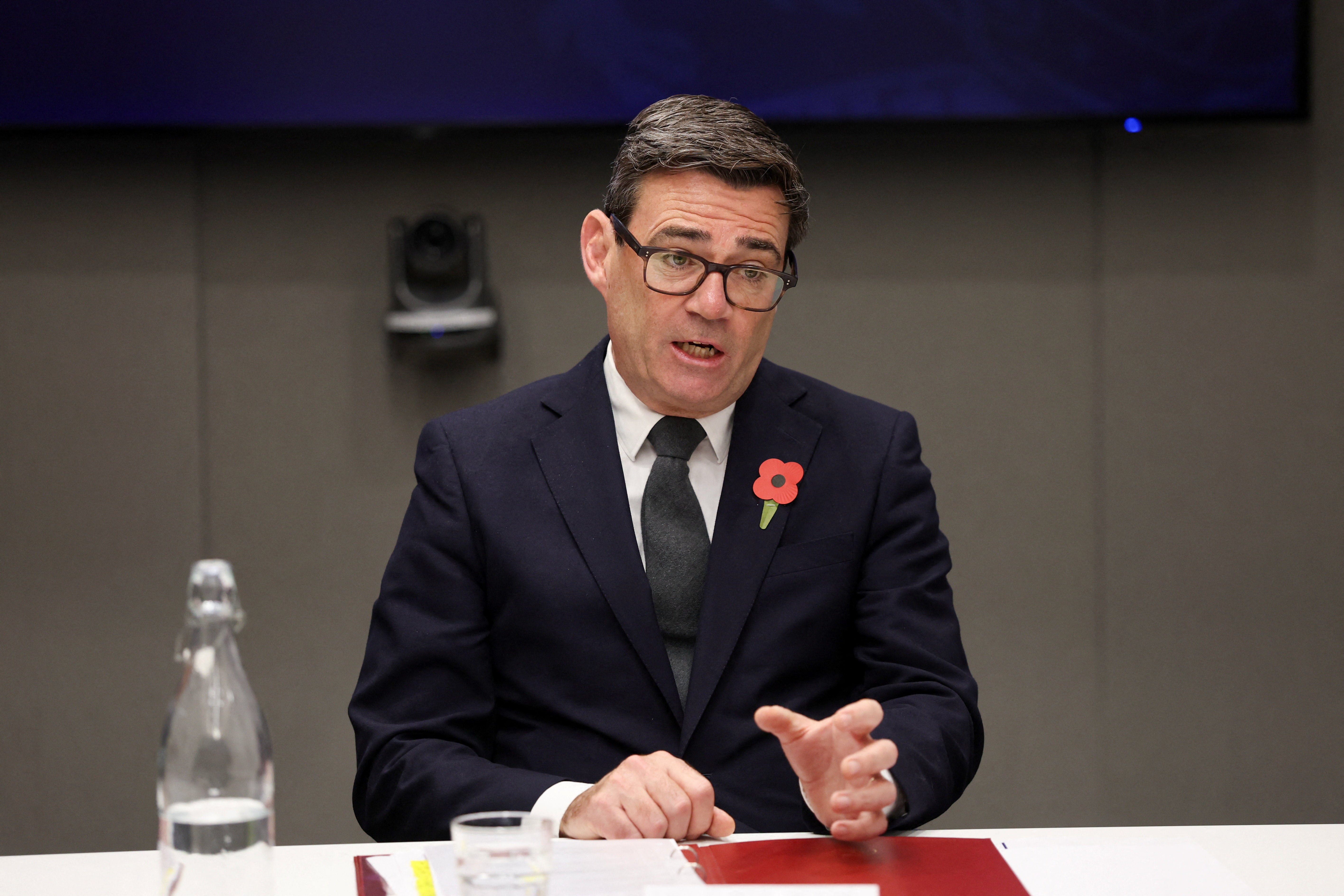
Andy Burnham is being urged to reject proposals to pay reparations for Britain’s historic involvement in the slave trade to Caribbean nations as the row over the issue intensifies at the Commonwealth summit.
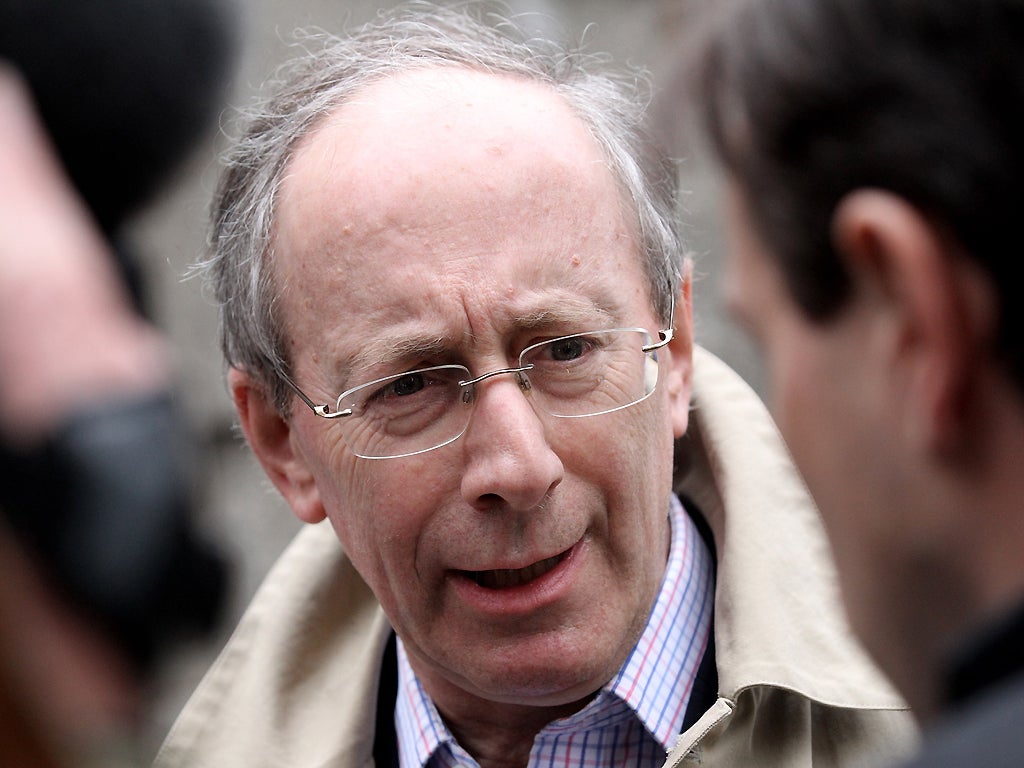
Former foreign secretary Sir Malcolm Rifkind has branded the suggestion as “illogical” and warned that they “should be rejected”.
It comes as leftwing Labour MP Bell Ribeiro-Addy has confirmed that pressure is mounting on the prime minister to agree to reparations after he said he was willing to consider a formal apology.
But Downing Street has also moved to deny claims that Mr Burnham is considering some payouts to recognise Britain’s historic involvement in the slave trade.
Sir Malcolm, who served as foreign secretary between 1995 and 1997 in Sir John Major’s government, agreed that it was right for King Charles to use the summit to condemn slavery.
However, the Tory grandee warned that there is no historical justification for reparations.
He told The Independent: “Those transported as slaves by the British were not enslaved by the British. They had been enslaved by Arabs in North Africa and, also, by black states, chiefs and others in West Africa. If reparations are being demanded from the UK they should also be demanded from Algeria, Morocco, Mali, Nigeria, Ghana, Dahomey and other states with as much responsibility as the British.
He also pointed out that the UK became the first world power to ban slavery and then try to enforce that ban around the globe.
Sir Malcolm said: “The demands ignore that Britain led the world in making illegal the transportation of slaves across the Atlantic.
“The demands ignore that the Royal Navy enforced the ban on transportation by not only stopping and liberating slaves on British ships but also those of other countries that were transporting slaves.”
He added: “Why are those demanding reparations not also demanding massive reparations from the USA which legalised slavery in half of the US until the US Civil War in the late 19th century? It’s illogical and should be rejected.”
However, pressure is mounting from MPs on the left of Labour who helped push Sir Keir Starmer out of office and support Mr Burnham as his replacement.
Clapham and Brixton Hill Labour MP Bell Ribeiro-Addy, who ran for Labour deputy leader last year, is pushing for the British state to recognise its historic responsibility for the slave trade.
She told The Independent: “The prime minister’s attention to the issue of reparations, and his recognition that Britain must engage with our international partners on this, is welcome.
“Given the stance taken by successive governments on this issue, it is important to see him accept that Britain’s role in African chattel slavery cannot simply be brushed aside.
“He has said he is open to a formal state apology. But openness is not commitment. Until the government makes a full and unequivocal apology, that remains the obstacle to progress.”
She added: “Nobody is asking the average British person to take personal responsibility for enslavement. This is about the responsibility of the state. The British state protected and profited from enslavement.
“The British state compensated the slave owners, not the enslaved. And British taxpayers were still paying off that debt until 2015. States are held to their past actions all the time. This should be no different.”

Reports had suggested that the prime minister was open to increasing financial assistance for Commonwealth countries to help atone for Britain’s role.
But while Mr Burnham has said he is willing to consider an apology, both Downing Street and the Foreign Office (FCDO) denied he was looking at providing any extra financial assistance.
An FCDO spokesperson said: “We are committed to working with Commonwealth partners on issues facing the world, including the role of private finance in tackling global debt issues, addressing the climate crisis, and supporting economic development.”
A Downing Street source added that “the prime minister’s position is clear: we do not believe financial reparations for the slave trade is the right answer. We will not be making additional aid allocations on top of existing budgets.”
Later Downing Street denied that debt restructuring was related to slave reparations in a briefing with journalists.
A spokesman said: “The prime minister, like his predecessors, has expressed his sorrow and regret for the pain and suffering caused by the transatlantic slave trade, and recognized the way it still shapes our world today. That is distinct from a formal apology.
“We’re opening a structured dialogue with those affected by the transatlantic slave trade and listening to calls for a formal apology on behalf of the British state, and that will form an important part of that process.
“We think it’s right that a formal apology is discussed properly with the countries and communities most affected, rather than simply deciding unilaterally what form it should take.”
But the spokesman added: “Acknowledging the horror of the transatlantic slave trade and considering a formal apology for Britain’s role in it does not mean accepting a present day financial liability.”
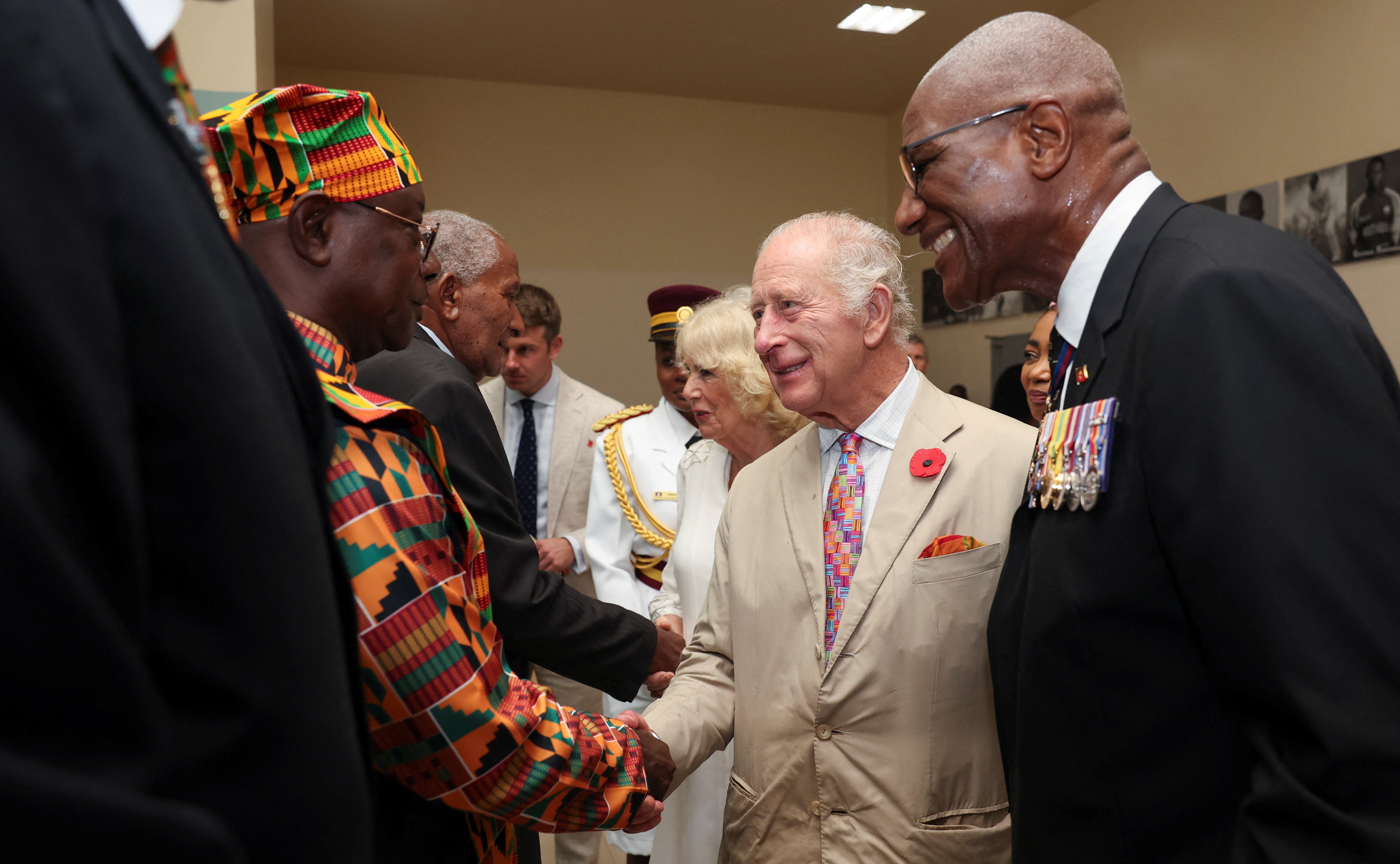
The row has come as Mr Burnham and King Charles attend the Commonwealth Heads of Government meeting in Antigua and Barbuda.
An event is being held alongside the CHOGM summit at the Trade Winds Hotel in Antigua entitled From Samoa to St John’s: Britain, the Commonwealth and the Road to Reparatory Justice.
Commonwealth leaders said Mr Burnham had made an “essential first step” towards a reparations deal, after he said he was open to making a formal apology for slavery.
Mia Mottley, the prime minister of Barbados, insisted that she expected “investment in health and education” and a “development partnership” with the UK.
Andrew Holness, the prime minister of Jamaica, called for “meaningful” discussions on “reparatory justice”.
Tory leader Kemi Badenoch has been critical of Mr Burnham’s willingness to make an apology, describing the reparations issue as a “distraction” and warning that the Commonwealth “needs to be forward-looking”.
Explaining why she opposes an apology, she told Sky News: “It’s because of what will happen next.
“What I’m worried about is that this CHOGM summit is yet another opportunity for people to start asking Britain for money because of the slave trade.”
Sir Michael Ellis, a former attorney-general, has warned: “An apology tantamount to accepting liability. If Burnham goes to an international conference and apologises, he is making it easier for those who want to take the UK to an international tribunal such as the UN, as they did with Chagos.”