







Want to bookmark your favourite articles and stories to read or reference later? Start your Independent Membership today.
Join today
Already a member?
Log in
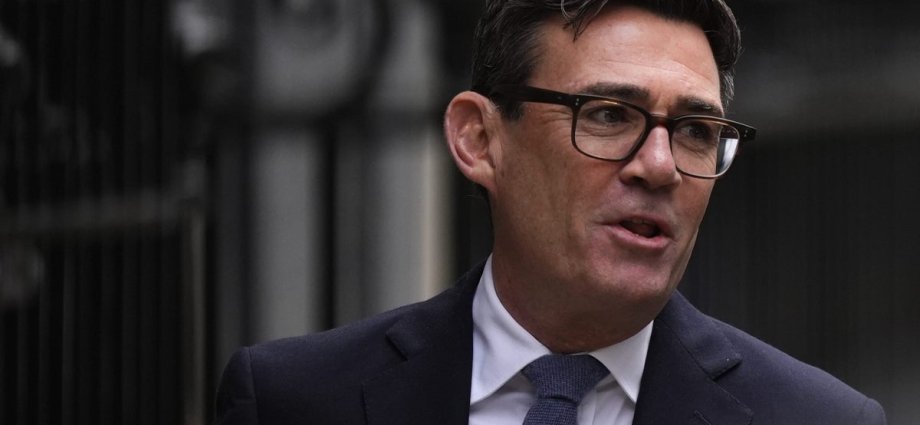
The Government is working “flat out” to cut the ballooning costs of welfare spending, Prime Minister Andy Burnham has insisted after the Chancellor faced scrutiny about the rising costs of benefits in wake of the Budget.
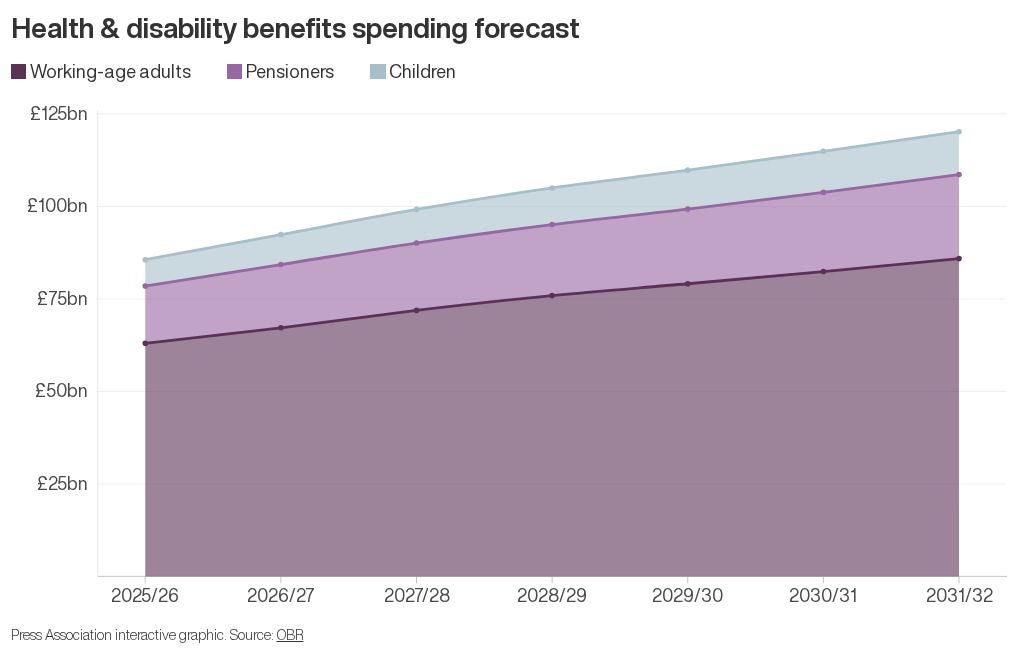
John Healey was repeatedly pressed about the cost of welfare by broadcasters, after the Office for Budget Responsibility (OBR) warned sickness and disability benefits could cost £100 billion a year before the end of the decade.
But Treasury officials pushed back against media interpretations of Mr Healey’s responses which suggested he wanted the bill to start falling before the next election.
The Chancellor later said there was no “timetable” set to bring the cost of welfare down.
The Prime Minister was asked about his timeframe for reducing the benefit bill during a visit to Derby on Thursday.
He told reporters: “We want to get the welfare bill down as quickly as possible, and we’re working flat out to that end.
“Now that we are through the Budget, the big next priority in front of us is the publication of the Milburn report, long awaited, but it’s coming soon.
“We just want to get stuck into supporting people to help people off benefits and into work.
“There’s no delay there.
“We want that to happen as quickly as possible.”
In an interview with the BBC’s Today programme, Mr Healey was asked whether the benefits bill would be cut before the next general election.
He told the BBC: “There will be a reduction in the benefits bill, we’ll do that in a Labour way and we’ll do that because it is simply not good for Britain or progressive to have a bigger and bigger benefits bill.”
However, Treasury officials later stressed he was not setting a timeframe for the welfare reduction.
The Chancellor also said on LBC Radio that welfare reform would not amount to “crude benefit cuts” which would be a “pressure too far” when people were “suffering” with the cost of living.
He later told Channel 4 he and Mr Burnham were committed to bringing down the bill but that “it’s not correct to say that we’re going to bring this welfare bill down in this Parliament because we’ve not set a timetable for that”.
He later added: “I’ve set an indication, a timetable for the changes we look to make. What I’ve not done is set a timetable for any savings that come from those.”
Downing Street insisted the Chancellor had remained “completely in line with what the PM has said over the last few months that the welfare bill needs to come down” and added the Government was not “setting an arbitrary target or timetable on that”.
More details about the Government’s plans to bring down benefits spending will follow the publication of two major reviews next month, the Prime Minister’s official spokesman said.
“We’ll bring the bill down by tackling the underlying drivers of spending, getting more people into work, and matching support with clear opportunities and responsibilities to engage with the Government’s support offer,” the spokesman added.
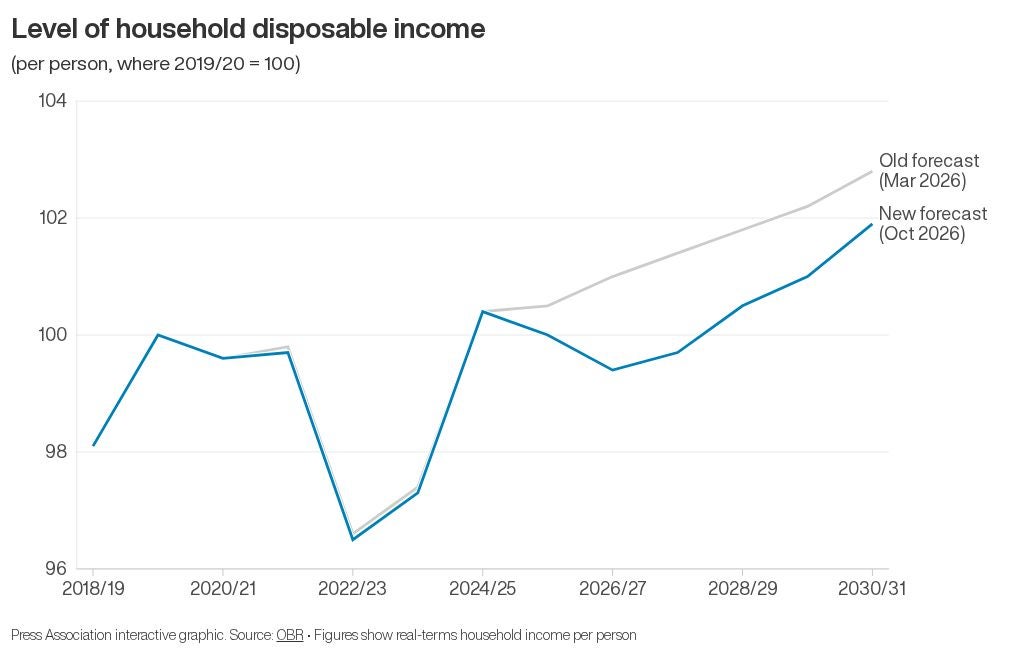
The Institute for Fiscal Studies (IFS) warned that the Government’s plans to help households with the cost of living will not prevent living standards from falling.
Helen Miller, director of the influential think tank, said in her post-Budget analysis: “This decade looks set to be the worst decade for growth in household incomes on record. Just wait until you see the chart; it’s depressing. No amount of temporary cost of living packages will fix that.”
The IFS criticised the Chancellor for choosing to fund a £4.7 billion black hole in the defence investment plan (Dip) – left over by Sir Keir Starmer – in part from the Treasury’s reserves.
This further narrows Mr Healey’s options to keep his spending plans on course in the event of another global economic shock, the think tank said, while suggesting the Chancellor could face rampant speculation about tax rises ahead of the next budget.
The reserve may also be needed to top up departmental budgets facing inflationary pressures, according to the IFS.