








Want to bookmark your favourite articles and stories to read or reference later? Start your Independent Membership today.
Join today
Already a member?
Log in
An ancient Egyptian embalming substance, thought to have medicinal qualities in medieval times, has now been shown to have potential flu-protecting properties.
Egyptian mummies entered trade in the Middle Ages to the early 18th century as they were valued primarily for their resinous and aromatic substances.
During this time, the Egyptian mummy-derived substance, Mumia vera aegyptiaca, became widely used in both Arabic and European regions.
Mumia vera was widely described for its use to treat wounds, fractures, haemorrhages, and injuries.
Despite such widespread use, the material composition and potential pharmaceutical properties of Mumia vera aegyptiaca have remained poorly understood, say researchers, including those from Marburg University in Germany.
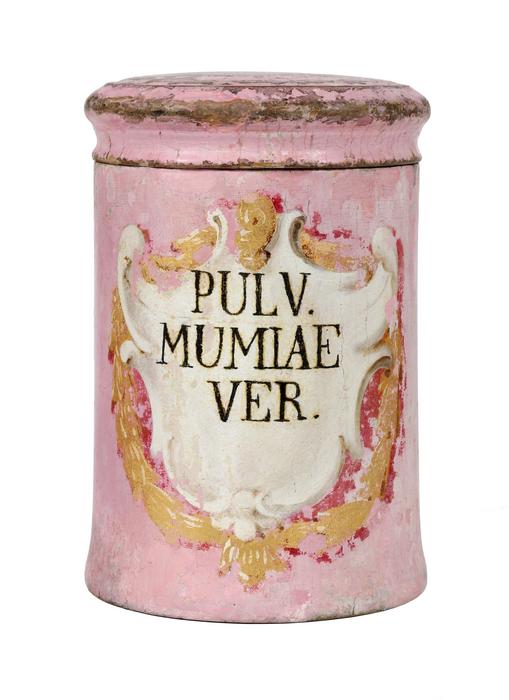
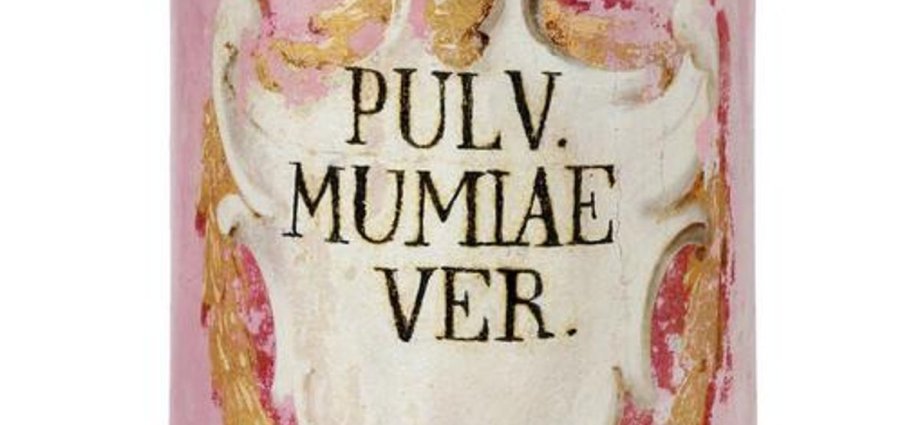
In a new study, scientists used molecular analysis methods to uncover the composition and activity of Mumia vera aegyptiaca as well as other embalming materials used in the ancient Egyptian mummification process.
Researchers used a method called liquid chromatography-mass spectrometry, or LC-MS, which physically separates different compounds present in a mixture and then identifies the molecules individually based on their weights.
“Textual evidence alone cannot resolve the precise material composition or distinguish authentic mummy-derived material from altered or substituted preparations,” scientists wrote in the study published in the journal PNAS.
“We therefore apply comparative LC-MS to historical samples attributed to Mumia vera aegyptiaca and to embalming balms from ancient Egyptian mummified remains,” they wrote.
Overall, the study examined 24 ancient Egyptian embalming samples from museum and university collections, including Mumia vera products and the residues of embalming materials from mummified remains and bandages.
The findings revealed that medieval Mumia vera products varied widely in their composition, but they universally contained conifer resins.
Several of the museum samples contained residues derived from Aloe, a previously unrecognised component of embalming materials.
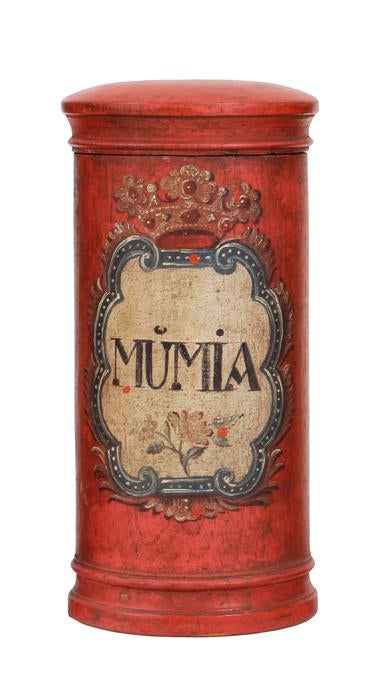
The appearance of these Aloe-derived residues in these samples suggests a yet unknown word in Egyptian texts might refer to Aloe.
“The Egyptian term nh-imy may refer to an Aloe-derived product,” scientists say, adding that it may come from Aloe vera or a related species.
“Literally, ‘nh-imy’ means ‘life is within it’,” they wrote.
However, scientists caution that the current findings do not establish this link “with certainty”.
Researchers also tested the medicinal potential of a powder Mumia vera aegyptiaca sample that was likely derived from a mummified head.
They found that an extract of Mumia vera could modestly protect canine cells against damage by influenza virus.
However, the main compound of the extract – 7-oxodehydroabietic acid – seemed inactive on it’s own, the study noted.
“These findings refine the interpretation of ancient Egyptian embalming practices, museum objects, and historical medicines,” scientists wrote in the study.
The research also offers a framework for investigating historical medicines and mummified residues, they concluded.