











Want to bookmark your favourite articles and stories to read or reference later? Start your Independent Membership today.
Join today
Already a member?
Log in
A gene-editing technique has been used to alter DNA directly inside a human’s body for the first time.
In a clinical trial, scientists used a high-precision tool known as “prime editing” to correct a genetic mutation in liver cells caused by Wilson disease – a rare condition that prevents the body from eliminating excess copper.
The breakthrough, published in the journal Nature, paves the way for faster, cheaper, and less invasive genetic therapies that repair DNA inside the human body, replacing complex laboratory procedures.
“I never dreamed that in my lifetime I would see this applied to my rare disease,” said Rhonda Rowland, president of the Wilson Disease Association. “It’s going to be a really exciting year.”
Wilson disease is caused by mutations in the ATP7B gene, which produces a protein responsible for removing surplus copper from the liver. Left untreated, copper builds up to toxic levels, causing severe liver damage, nerve impairment, and neurological disorders.
Current treatments require taking copper-clearing medications for life, but gene editing offers the potential for a single, permanent fix by repairing the fault directly.
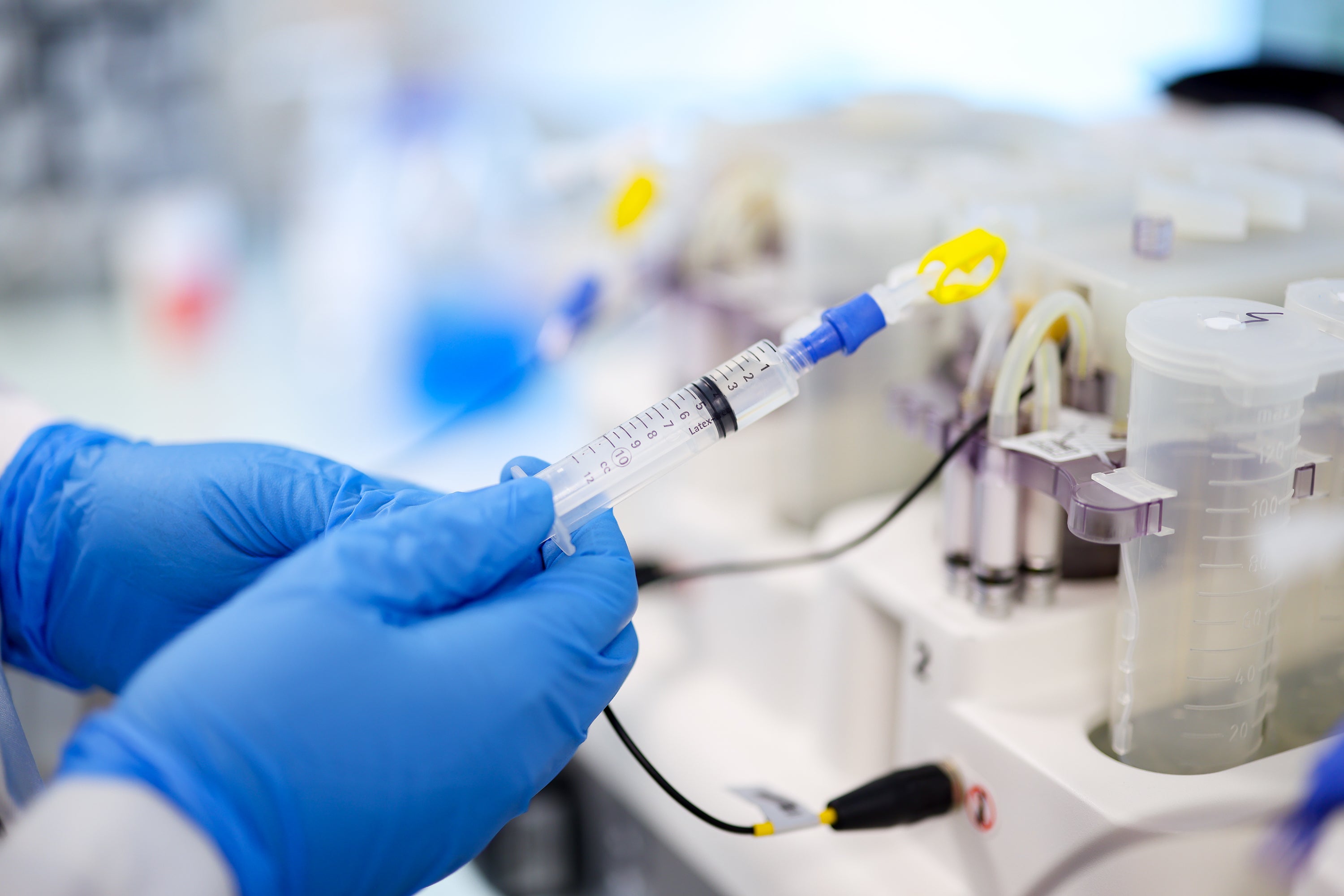
While standard gene editing, like CRISPR-Cas9 technologies generally disable genes rather than rewrite them, prime editing acts as a microscopic word processor capable of inserting, deleting, and replacing specific segments of DNA with extreme precision.
Developed by US biotechnology firm Prime Medicine, the treatment shuttles gene-editing tools into liver cells using tiny lipid nanoparticles – similar to the technology used in mRNA vaccines.
Editing DNA directly inside the body avoids the costly and risky process of extracting a patient’s cells, modifying them in a laboratory, and re-injecting them.
Traditional cell-editing procedures often require patients to undergo harsh chemotherapy to clear room in the body for edited cells to take hold.
“These genetic-medicine companies are not cheap to fund,” noted Joseph Thome, a biotechnology analyst at TD Cowen, highlighting that direct treatments could drastically cut production costs and make therapies widely accessible.
However, experts caution that in-body gene editing carries its own challenges, as doctors cannot verify that edits are entirely accurate before the cells begin replicating.
“It depends on what types of risks you’re willing to accept,” said Krishanu Saha, a biomedical engineer at the University of Wisconsin–Madison, adding that delivering gene-editing tools precisely to target organs remains “the core challenge.”
Prime Medicine is expected to report the first clinical results from the trial next year, alongside decisions on other in-body CRISPR treatments currently awaiting regulatory approval.