









Want to bookmark your favourite articles and stories to read or reference later? Start your Independent Membership today.
Join today
Already a member?
Log in
Emergency care doctors have warned the NHS is not ready for the colder months, with overcrowding, corridor care and a looming surge in demand “creating perfect conditions for a terrible winter”.
A new survey of 163 doctors in charge of A&E departments across the UK, conducted by the Royal College of Emergency Medicine (RCEM), found that more than nine in 10 (92 per cent) described current pressure as either high or very high, while 88 per cent said they are under greater strain now than this time a year ago.
Around nine in 10 (91 per cent) told the poll they were very or extremely worried about pressures in the coming months.
And after A&Es in England saw a record 7.3 million people attending hospital for emergency care this summer, leading accident and emergency (A&E) doctors have said the NHS is at the point “where we can’t tell where one crisis ends and the next begins”.
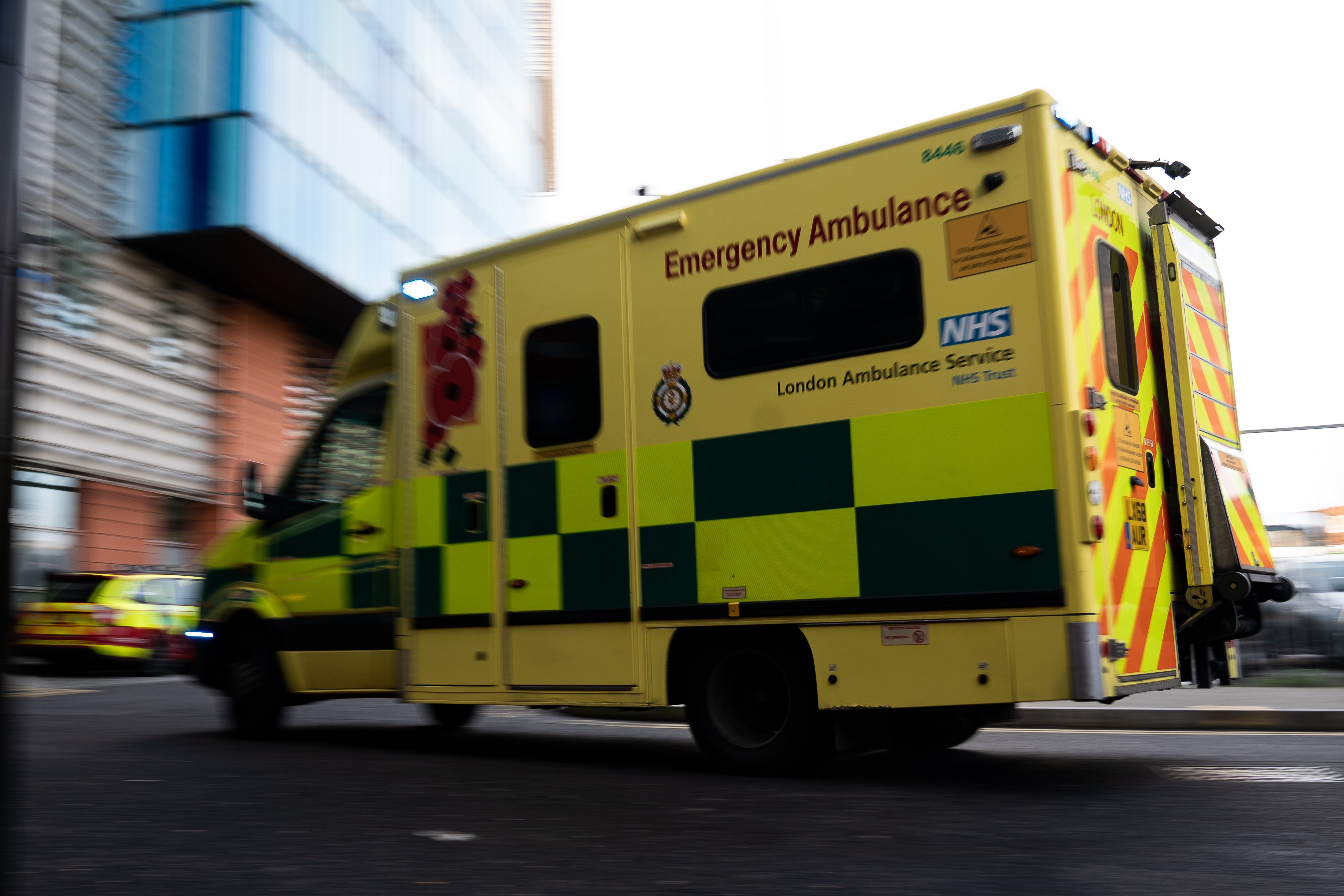
Three in five doctors have warned their A&E departments are currently unsafe for patients, with conditions expected to worsen after the UK experienced higher levels of flu last month compared with the previous four years. The RCEM also warned the NHS is entering this winter with almost a thousand fewer beds in English hospitals compared to last year.
Dr Ian Higginson, president of the RCEM, said: “Overcrowding, corridor care, the impending surge of demand from winter, and lack of meaningful preparations, are creating perfect conditions for a terrible winter.
“Colleagues from across the four nations have been crystal clear: we are not managing now and we simply are not ready for winter.
“We have patients scattered all over our departments, many stuck in trolleys or on chairs for hours upon hours. The sickest and most injured among them can’t get into a hospital bed and end up staying with us, sometimes for days.
“It’s a disgraceful state of affairs and I cannot believe it has been allowed to get this bad. Patients are dying unnecessarily every week whilst politicians continue to focus on the wrong solutions.”
Dr Den Langhor, emergency care lead for the British Medical Association, said in response to the survey findings: “Having only just managed the busiest summer on record in emergency departments, we have not yet had time to take a moment to breathe before we face the onslaught of what we expect to be another horrific winter on the frontline. These pressures are no longer seasonal – they are continuous.”
The most recent figures show the average number of patients who waited more than 12 hours from arrival to being seen, treated or discharged from A&E between June and August hit 149,583, up from 126,511 in 2025 and 129,646 in 2024.
In September, 10 per cent, 157,00, of patients attending A&E waited more than 12 hours, while an average of 2,549 people a day were left waiting in A&E corridors.
In a survey of 163 A&E doctors, the Royal College found just 3 percent believe they are well prepared for the colder months. Around nine in 10 told the poll they were very or extremely worried about pressures in the coming months, while two-thirds said they are under more pressure now than they were a year ago.
Of the 119 responses gathered from A&E clinical leads in England, almost nine in 10 (89 per cent) described pressure at the moment as high or very high.
The latest NHS England data shows there was an average of 3,310 patients who received corridor care each day in September, with 2,549 in A&E departments and 761 in other hospital areas.
This is up from an average of 2,865 per day in August, made up of 2,297 in emergency departments and 568 in other areas.
Meanwhile, the number of people waiting more than 12 hours in A&E departments in England from a decision to admit to actually being admitted stood at 50,582 in September, up from 44,951 in August.
Dr Vicky Price, president of the Society for Acute Medicine, in response to the RCEM survey, said that hospitals are not heading into a winter crisis; they are “carrying an existing healthcare crisis into winter.”
She added: “The reality is that these problems have been building for years. An ageing population with increasingly complex health needs, shortages in community and social care, and hospitals operating at high occupancy mean patients are struggling to move through the system.”
Over the weekend, health secretary Yvette Cooper announced the NHS would receive a £140 million boost for urgent care this winter and vowed to end corridor care for children.
However, Dr Higginson warned the “Existing winter preparations represent the same old same old, and will yield the same disastrous results,” adding “it beggars belief that we are going into winter with nearly a thousand fewer beds than last year, and with recruitment freezes stopping us recruiting doctors and nurses to help reduce risk for our patients or to get hospitals working.”