









Want to bookmark your favourite articles and stories to read or reference later? Start your Independent Membership today.
Join today
Already a member?
Log in
Retail sales growth remained subdued in September as households exercised cautious spending ahead of expected rises in household bills and taxes.
Total UK retail sales increased by 1.3% year-on-year last month, a fall from growth of 2.3% last September and below the 12-month average growth of 1.5%, according to the British Retail Consortium (BRC) and KPMG.
Food sales drove the overall increase, up 2.5% but again below last September’s growth of 4.3% and the 12-month average of 3.1%.
Non-food sales were flat, up just 0.3% against a growth of 0.7% last September.
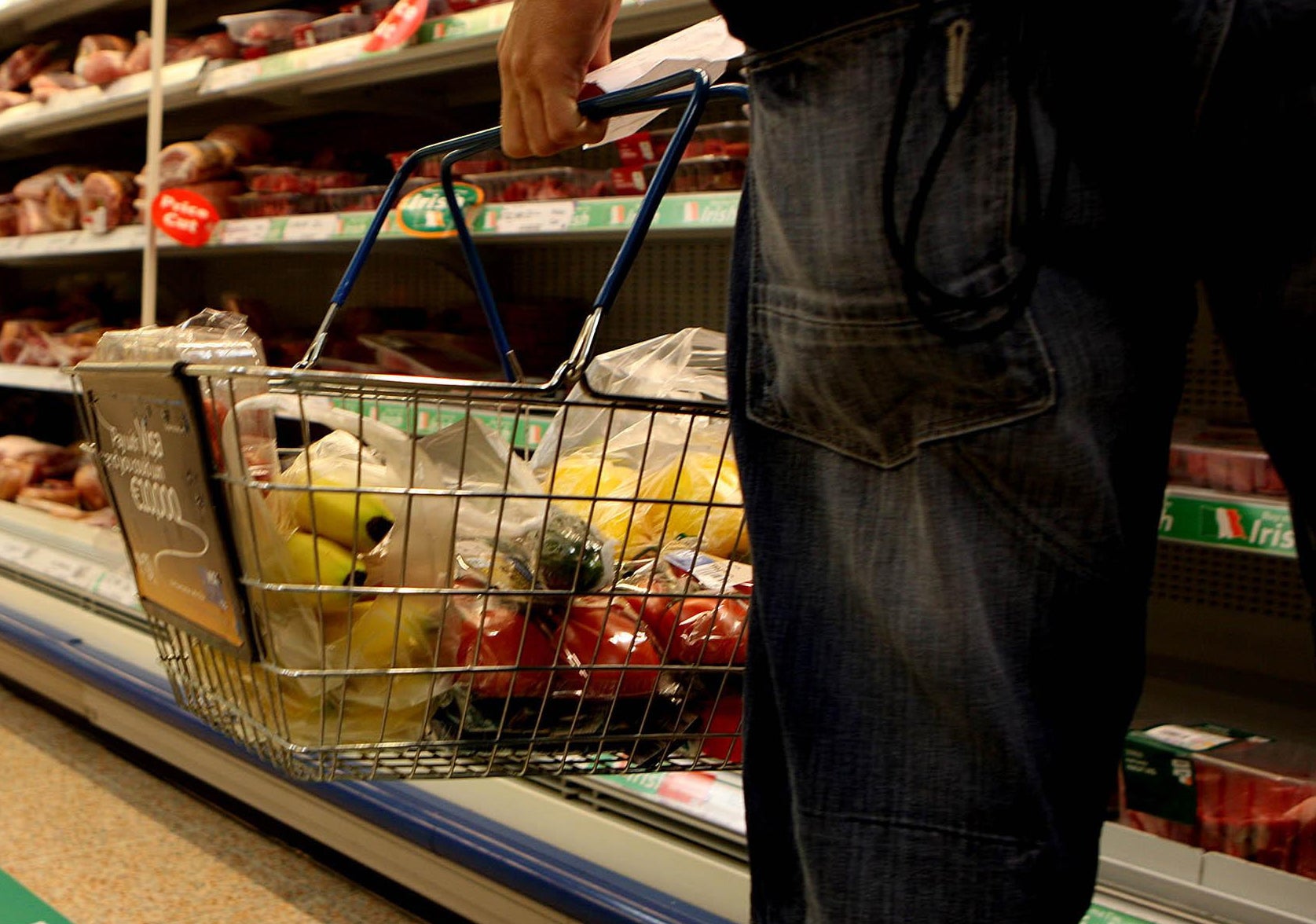
However, health and beauty recorded its strongest month of the year so far as consumers continued to prioritise small indulgences and refresh their routines, while toys also performed well, helped by the launch of Pokemon’s 30th anniversary products, the BRC said.
Clothing and footwear had a weak month as unseasonably warm weather weakened demand, but back-to-school spending saw a boost.
BRC chief executive Helen Dickinson said: “The Chancellor cannot promise to ease the cost of living while piling more costs onto the retailers working to keep prices down.
“With confidence fragile, this Budget is a critical test. Retailers will do everything they can to protect value for customers, but Government must play its part.
“Another rise in business rates would push up pressure on prices, choke off high-street investment and put local jobs at risk. This Budget must back retail to invest, employ and grow, not make it harder.”
Linda Ellett, UK head of consumer, retail and leisure at KPMG, said: “September’s retail sales figures point to an increasingly selective consumer.
“This is a battle for share of wallet, with shoppers prioritising some categories while postponing purchases elsewhere.
“Fashion faced a particularly difficult September and while the prolonged summer has supported clothing and footwear, it may have delayed the move into autumn and winter wardrobes.
“With the Black Friday promotional period approaching, some consumers will inevitably be questioning whether today’s purchase might be cheaper tomorrow. That creates an important test for retailers as the ‘golden quarter’ begins.”
Separate figures from Barclays show card spending rose 2% year-on-year in September, just below August’s 2.1% growth.
Essential spending increased 2.5%, driven largely by a 17.3% spike for fuel.
Confidence in household finances climbed to a seven-month high at 67%, although 68% of those polled said they were concerned about the Budget’s potential impact on their household finances.
Jack Meaning, chief UK economist at Barclays, said: “The caution felt by consumers ahead of the Budget mirrors what we have also seen in our surveys of UK businesses.
“This should reinforce the importance of the Chancellor delivering clarity and confidence from the despatch box on October 28.
“As rising inflation and tight financial conditions begin to squeeze spending power, we will be watching closely to see whether recent UK consumer resilience can continue into the winter.”