





Want to bookmark your favourite articles and stories to read or reference later? Start your Independent Membership today.
Join today
Already a member?
Log in
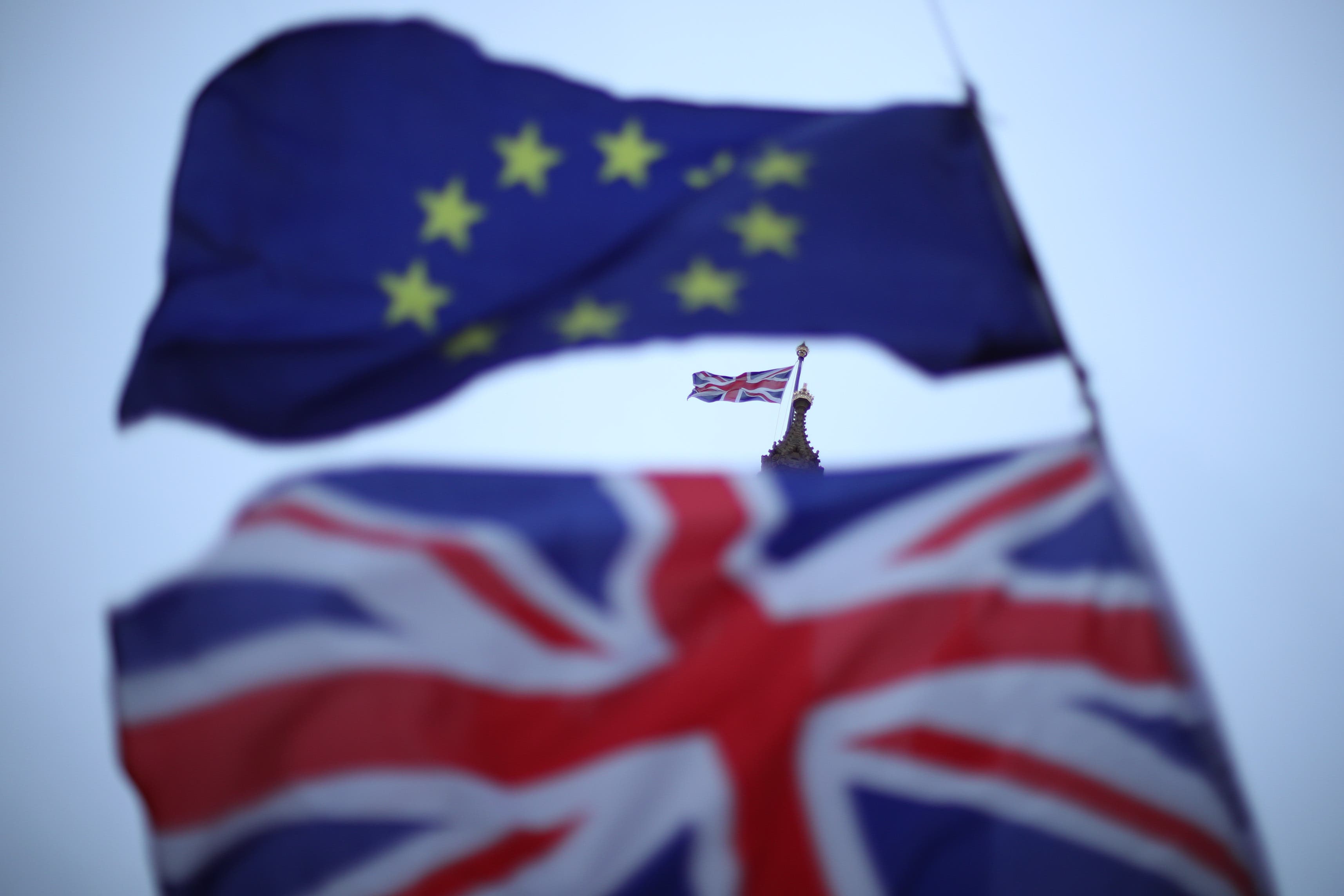
France’s finance minister said the UK would be welcome to rejoin the EU “anytime”, as Andy Burnham visits Berlin after suggesting a return to the bloc could be possible.
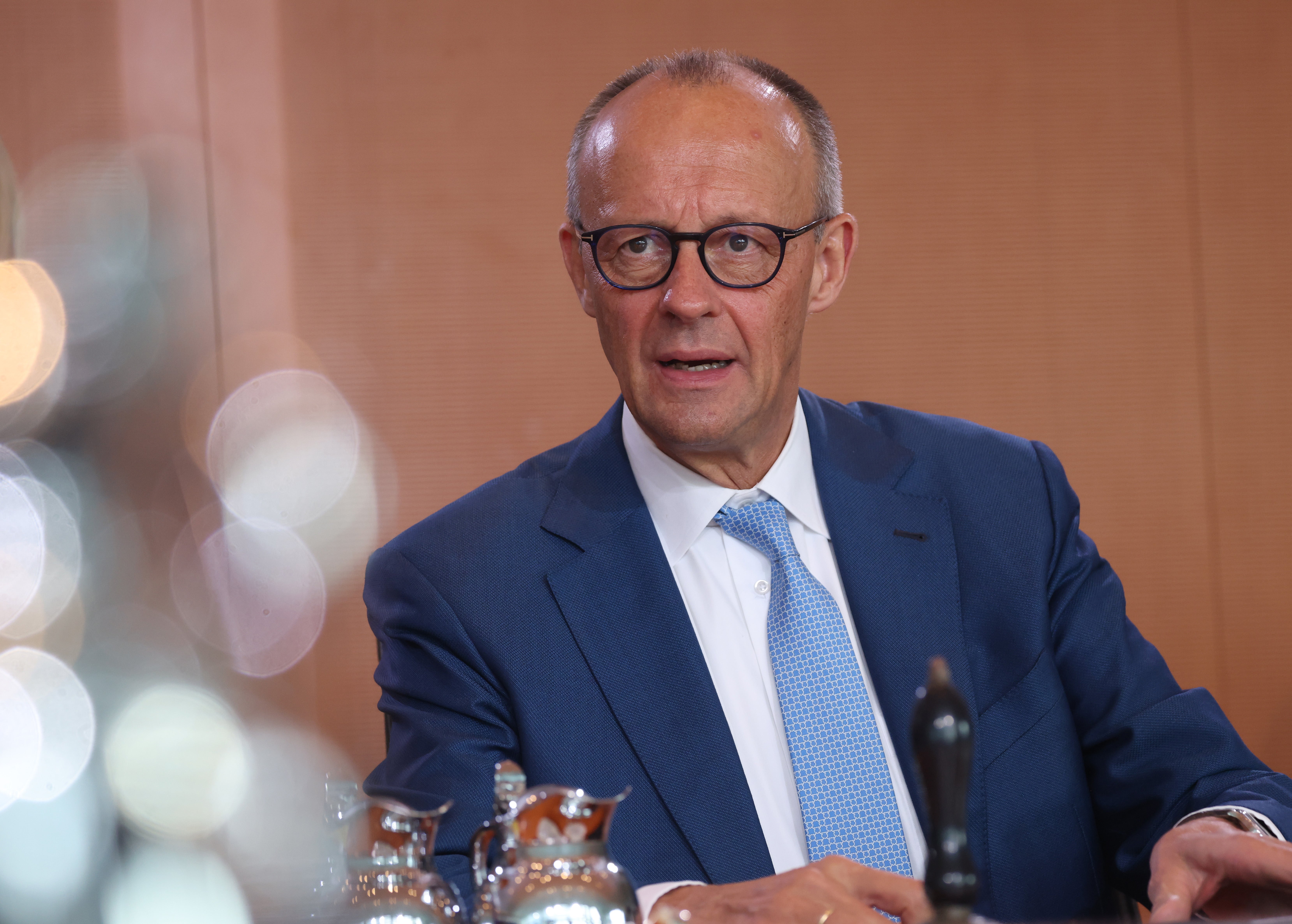
The prime minister is heading to Germany on Thursday for his inaugural face-to-face talks with German chancellor Friedrich Merz.
The leaders are set to establish a joint UK-Germany security framework aimed at countering cyber attacks, sabotage and other hybrid threats from hostile foreign actors, particularly Russia.
The strategic agreement will see both countries share intelligence and coordinate action to monitor, deter and disrupt potential dangers, while building greater resilience around critical national infrastructure.
It comes as Mr Burnham looks to rebuild Britain’s ties to the EU 10 years after the nation voted to leave the bloc.
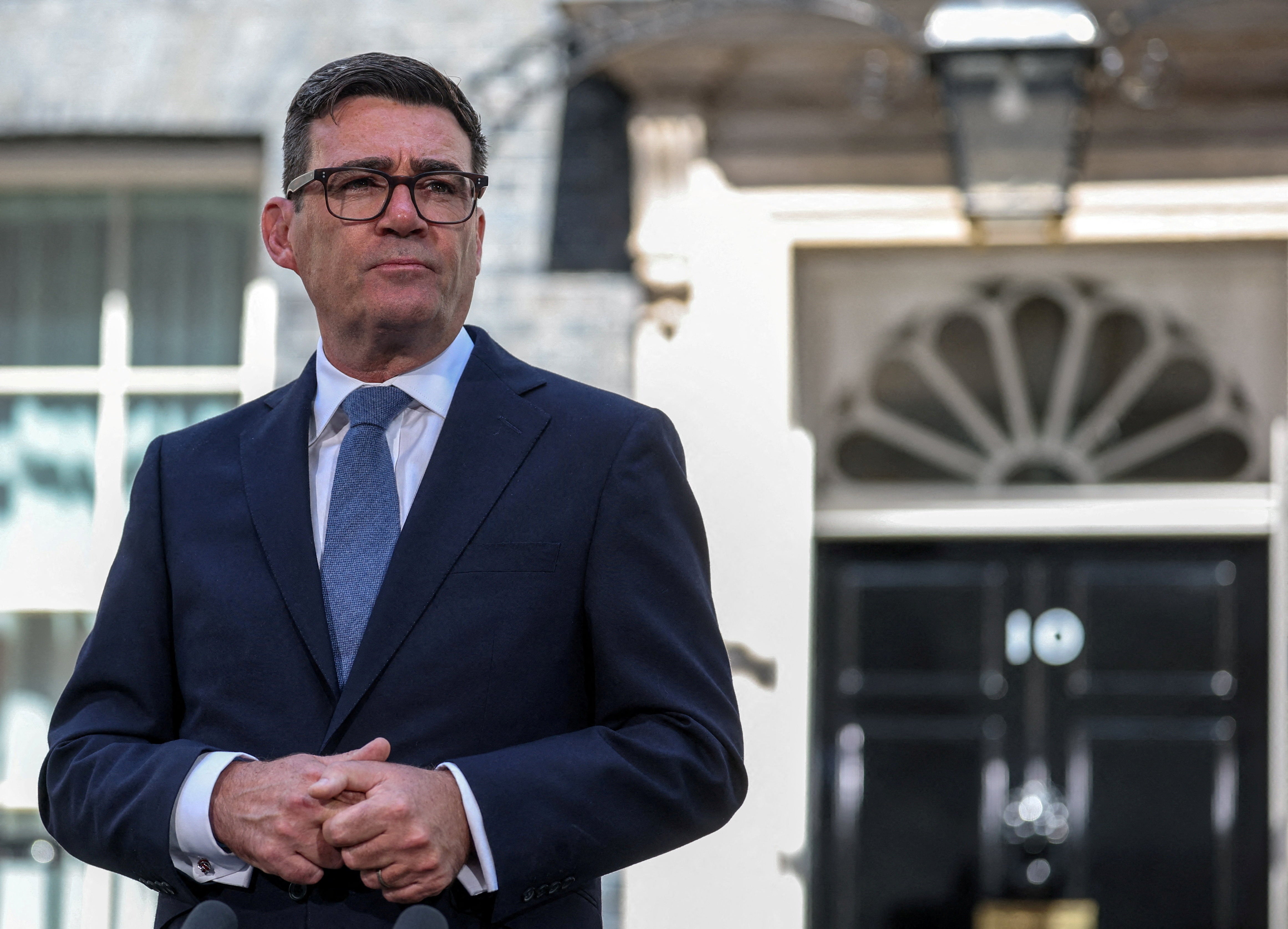
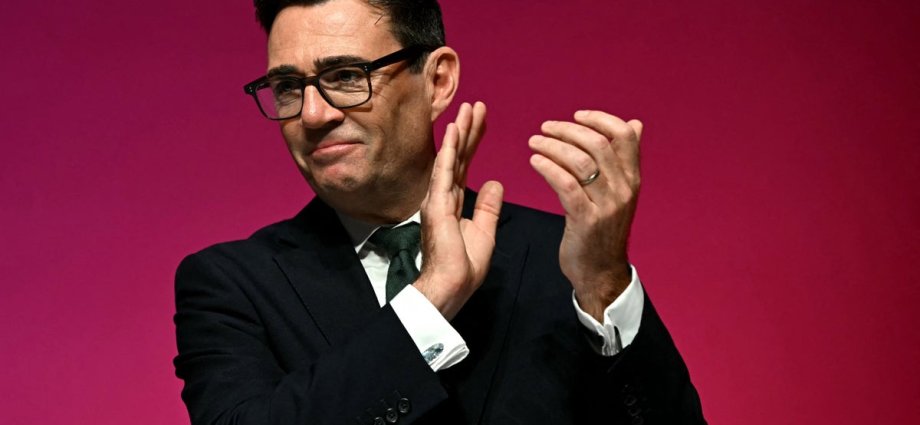
The prime minister last week acknowledged he could go “all the way” and propose rejoining the EU as he considers the UK’s future relationship with Brussels. He also suggested it is “possible” Labour’s next election manifesto could include an in-out referendum.
Speaking to the BBC, French finance minister Roland Lescure said it was up to the British public whether to return to the EU, but said they could “come back, anytime”.
He said: “British people decided, and that’s obviously their 100 per cent right, and if they’re willing to come back, they will have to decide.
“But what I can tell them is: come back, anytime.”
The Independent has led the campaign for Britain to rebuild its relationship with Brussels on the basis of clear evidence that it has damaged the economy and failed to deliver promised benefits on a wide range of issues including immigration.
Mr Burnham and Mr Merz are also scheduled to discuss aid for Ukraine, responses to Middle East instability, and the disruption of key global shipping lanes such as the Strait of Hormuz.
Furthermore, the pair will convene a UK-Germany Regional Growth Forum featuring British and German business leaders, aimed at driving investment, deepening industrial ties and ensuring economic benefits reach communities in both nations.
Thursday will also mark the formal ratification of the Kensington Treaty, signed in July last year, committing both nations to significantly deeper cooperation across science, technology, defence, security and growth.
Ahead of the visit, Mr Burnham said: “Attacks on our infrastructure, our businesses and our democracies are not a distant threat.
“They reach into people’s homes and workplaces, and they are designed to make us weaker and more divided.
“Britain and Germany are joining forces to find, expose and disrupt this activity.
“Security and growth go hand in hand, and both must be felt in every town and city in our two countries.”
Foreign Office minister Stephen Doughty said on Thursday the prime minister will be “looking at the future” of the UK’s economy and security relationships on the visits.
“Germany is obviously a crucial security and defence partner for us, also between our industries, and the prime minister is going to be announcing a series of measures taking forward our partnership more deeply,” Mr Doughty said.
Asked about Mr Burnham’s recent comments on the EU, the minister said: “What he has been very honest about is that if we’re looking at the future of our economy, the future of our security relationships, as indeed he’s doing today in Germany.”
He added: “We need to have an honest conversation about the future for this country, the future of the relationship with our nearest geographic trading and security partner. That’s the heart of what he’s discussing today with Chancellor Mertz, particularly in relation to the German relationship.”
The prime minister’s trip comes amid an intelligence scandal that has rocked Germany, where its former spy chief has been arrested on suspicion of espionage.
August Hanning, who headed Germany’s Federal Intelligence Service (BND) from 1998 to 2005, is “strongly suspected of treasonous espionage, spying out state secrets, attempted treason, and espionage”, the federal prosecutor’s office said in a statement.
Mr Hanning, 80, is accused of using classified intelligence to “draft an analysis” for an employee of one foreign intelligence service, and of “passing on information” to an employee of another foreign spying service.
A former aide, identified as Manfred D, was also arrested and has been charged with aiding and abetting attempted treason and treasonous espionage.
The prosecutor’s office said Manfred D worked as Mr Hanning’s chief of staff and later served as chief of staff for several subsequent BND presidents from 2012 until 2026.
Mr Burnham’s visit also comes as concerns about sabotage and hybrid threats rise in both the UK and Germany.
Last month, the British government summoned a senior Russian diplomat to protest over an “egregious and reckless attack” at Germany’s Leipzig airport, a major international freight hub used for providing support to Ukraine.
A drone carrying explosives was found near Ukrainian cargo planes in August, but failed to explode and was subsequently defused.
Investigators suspect a second drone collided with a cargo aircraft nearby and a third drone was reportedly found near the airport 10 days later.
Germany’s interior minister Alexander Dobrindt said the Leipzig airport attack followed the “well-established pattern of Russian hybrid operations in Europe” and the assumption was that Germany would be targeted again.
Moscow denied involvement, and Russian president Vladimir Putin accused Germany of planting evidence to blame Moscow.
As prime minister Andy Burnham looks at the way ahead for Britain’s relationship with Europe, The Independent has been leading the charge, campaigning to secure the absolute best deal for Britain. Become an Independent member for just £1 for six months and join a like-minded community of thousands signed up to our Europe: The Way Back campaign.
Benefits
- Free weekly newsletter: Every Wednesday, political editor David Maddox and political correspondent Millie Cooke will be in your inbox with exclusive reporting, analysis and insight on the biggest developments shaping relations between Britain and Europe. Each week, they will explain what’s happened, what it means, and what the key political figures, experts and decision-makers are saying about it.
- Essential continental updates: Stay informed with regular briefings on the biggest developments in European politics and the specific policies that could pave the way for closer EU relations.
- Exclusive content: Get the highest quality analysis, opinion and debate from political experts across the UK and Europe.
- Inform the debate: Join our thriving commenting community and receive exclusive invitations to future live events, webinars, expert Q&As and podcast recordings.