










Want to bookmark your favourite articles and stories to read or reference later? Start your Independent Membership today.
Join today
Already a member?
Log in
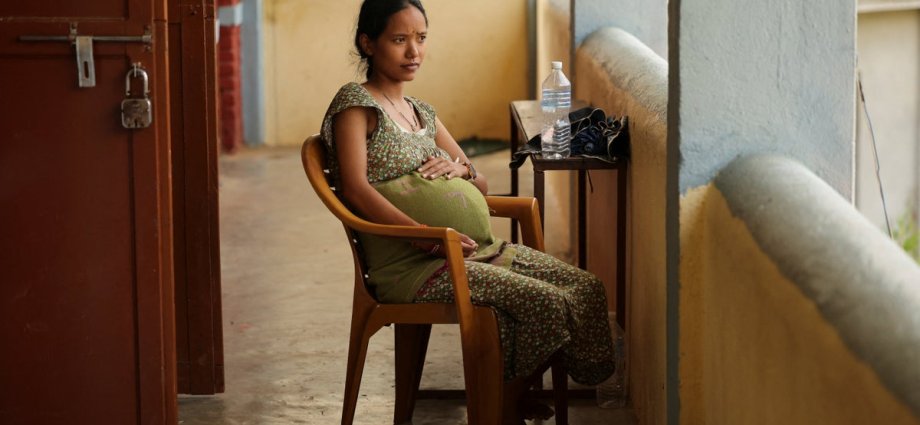
Pregnant women and newborn babies are at growing risk of stillbirths, premature births and low birth weight due to rising global temperatures, medics have urgently warned, as record temperatures strike across the world in 2026.
Three in four medical professionals (73 per cent) have reported an increase in extreme heat causing medical complications for pregnant women, while a similar number (76 per cent) have seen complications in foetal or newborn health, a new survey by the Wellcome Trust has shown.
Research has linked exposure to heat for pregnant women with higher incidences of early births, low birth rates, stillbirth and other maternal health problems.
“The evidence is very clear that with pregnancy and extreme heat, you get more pre-term babies, stillborn babies, and much more risk of maternal complications,” Julia Gillard, chair of Wellcome and former prime minister of Australia, told The Independent. “Healthcare workers are reporting that they don’t have the tools and training they need to deal with all of this.”
The findings come after the Northern Hemisphere recorded its hottest summer ever in 2026, while the entire world recorded the hottest August on record. Medics and analysts warn too little is being done to address the adverse impacts of rising temperatures on maternal and neonatal care – and have called for upcoming climate conferences in Fiji and Turkey to tackle the issue head-on.
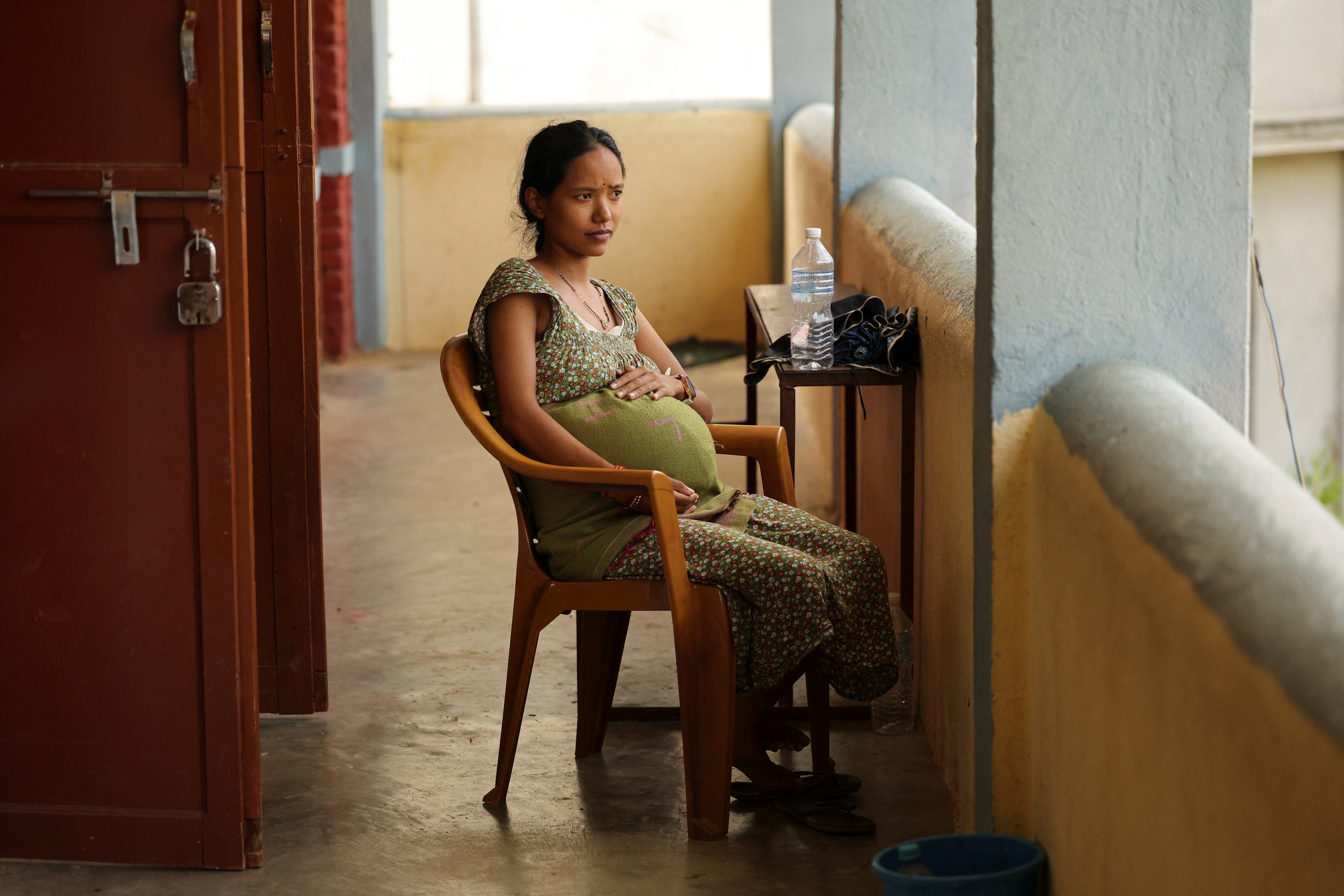
“Midwives and doctors from countries across five continents are telling us that extreme heat is affecting the health of pregnant women and newborn babies,” Ms Gillard said.
“No woman should have to fear that extreme heat will harm the baby she is carrying.”
Women who are exposed to heatwaves during pregnancy are 25 per cent more likely to suffer these obstetric complications, researchers say. A 1C increase in heat exposure, for example, can boost the chances of a preterm birth by around 5 per cent.
The survey was carried out with 1,000 medical professionals across Australia, Brazil, India, the UK and Zimbabwe.
Results were released as hundreds of delegates arrived in Nadi, on Fiji’s Viti Levu island, for a pre-COP climate summit preceding the main COP31 in Turkey next month.
The summit in Fiji is aimed at turning climate promises from previous years into tangible action. Along with other Pacific islands countries, the nation is facing some of the worst impacts of climate change – including rising sea levels, damaged marine ecosystems, flooding and devastating storms – despite being one of the smallest contributors to global warming.
It also comes after the UN Environment Programme declared in September that the world is set to “overshoot” the legally binding 1.5C limit to global warming agreed in the 2015 Paris agreements.
Climate change has been identified by the World Health Organisation (WHO) as the greatest threat to global public health, and is projected to cause an additional 250,000 deaths annually due to malnutrition, malaria, diarrhoea, and heat stress.
But campaigners want to ensure that maternal and neonatal health, and how they are affected by rising temperatures and extreme heat, are built into future and current plans to tackle the impacts of climate change around the world.
“As the planet continues to heat-up because of anthropogenic climate change more mothers and babies will be put at risk,” Ms Gillard added.
“Extreme heat is an invisible killer, but pregnant women must not be invisible. Leaders have the evidence and solutions they need – now they must act.”
The survey of medics painted a stark picture of just how common heat-related impacts are for pregnant women.
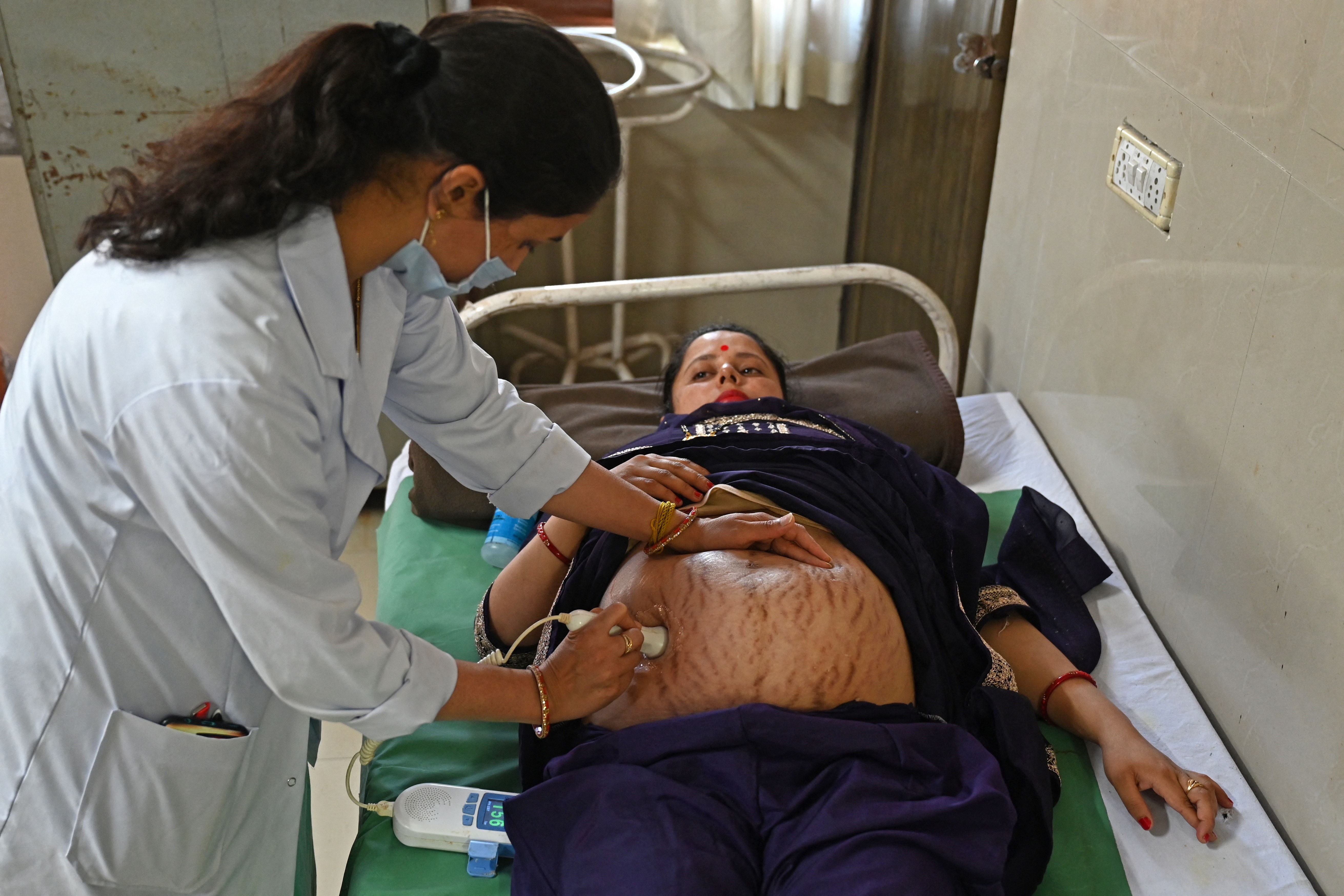
Nearly all respondents said they have cared for a pregnant woman (99 per cent) or newborn baby (98 per cent) that they believed to be impacted by extreme heat.
Four in five (81 per cent) believe the situation for pregnant women and newborn will only worsen without more action, while 82 per cent call on policymakers to do more to address the issue.
More than one third have noted low birth weight or restricted growth (34 per cent), dehydration or heat-related illnesses (36 per cent), and difficulties with feeding, breathing and temperature regulation (36 per cent)
The impacts of extreme heat go beyond direct physical complications. One in four medics (27 per cent) say rising temperatures are making it more difficult for pregnant women to access or get transport to the necessary care.
Campaigners at Wellcome are calling for funded measures to protect pregnant women and newborn from extreme heat, along with clinical guidance on the issue from the World Health Organisation, to help healthcare systems worldwide prepare.
The Fiji pre-COP summit will take place between 5-8 October, before the main COP31 in Antalya, Turkey, from November 9 to 20.
The reporting trip for this article was funded by Wellcome as part of its work to promote its ‘All Rise!’ and ‘Birthright!’ campaigns ahead of COP31. Wellcome had no influence over the editorial content or decisions made in producing this article.