










Want to bookmark your favourite articles and stories to read or reference later? Start your Independent Membership today.
Join today
Already a member?
Log in
G7 leaders have agreed to release 100 million barrels of diesel within four months as European nations scramble to prevent Donald Trump’s threatened ban on US exports to the bloc.
The move, announced by Emmanuel Macron after crisis talks on Friday, came following a US stand-off with the EU in the wake of Mr Trump’s conflict with Iran, that have sent prices soaring.
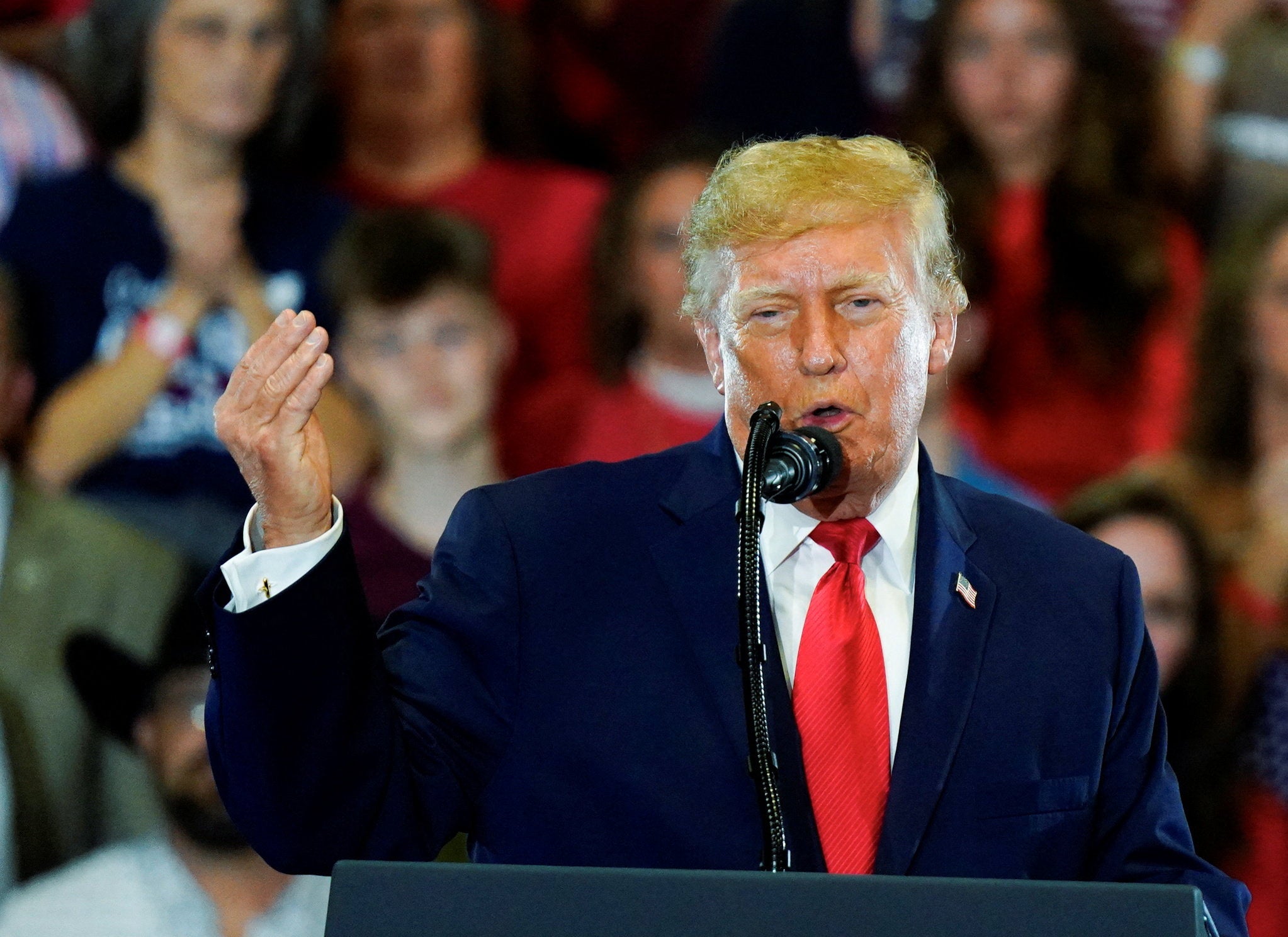
Moments before the deal was announced, Mr Trump said Europe was going to “release a massive amount” of its stocks after he threatened to cut off American diesel supplies to Europe if they did not release its reserves to help bring down the price of fuel in the US.
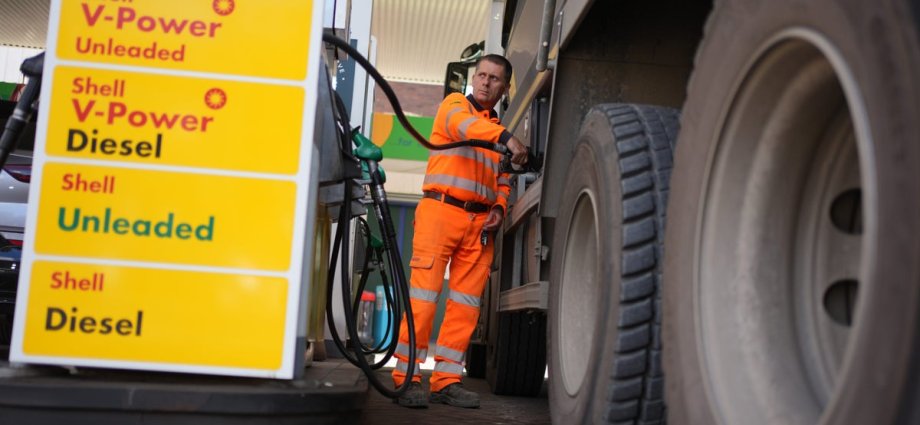
UK experts have warned that the situation could push Britons’ food bills even higher, as diesel prices spiked to a new high – hitting £2 a litre for the first time.
French President Mr Macron said on Friday that G7 allies would release strategic reserves “up to 100 million barrels, within four months” and “take no measures to restrict the exchange of energy and petroleum products between partner countries”.
The decision follows his talks with Mr Trump and Canadian prime minister Mark Carney in two separate calls overnight on the issue, that threatens to put further strain on the UK economy. President Trump reportedly told Germany and France to draw down diesel reserves to help to ease global fuel prices.
White House officials hailed him as the as the “dealmaker-in-chief” for forcing Europe to act. The US president’s deputy press secretary Taylor Rogers wrote on X: “President Trump always negotiates deals that serve the best interests of the American people.
“This will put more supply on the market and bring diesel prices down. He is undeniably the Dealmaker-in-Chief!”
It comes as the average price of a litre of diesel in the UK hit 200.01p for the first time on Friday – up from 199.79p on Thursday. Prices have risen steadily in recent weeks and earlier reached a new record high on Monday, surpassing the previous peak set in June 2022 in the wake of Russia’s invasion of Ukraine.
The US had earlier called for European countries to release 50 million barrels of diesel and International Energy Agency members to release 50 million barrels of crude oil, sources told the news agency Reuters.
The US president was said to be frustrated with the two countries for not fully following through on earlier commitments to release emergency oil and petroleum stocks to help bring prices down.
Earlier on Friday, transport minister Keir Mather said the UK was “working very closely” with the US to stress the importance of “sustaining flows of diesel around the world”.
But he insisted the UK has a “range of supply” of diesel available. “I want to reassure people this morning that the United Kingdom has got a diverse range of supply when it comes to diesel,” he said.
“We are working very closely with our US counterparts to stress the importance of that relationship and the importance of sustaining flows of diesel around the world, but also working through international fora in the International Energy Agency and with partners in Europe, from whom we get a proportion of our diesel imports as well.”
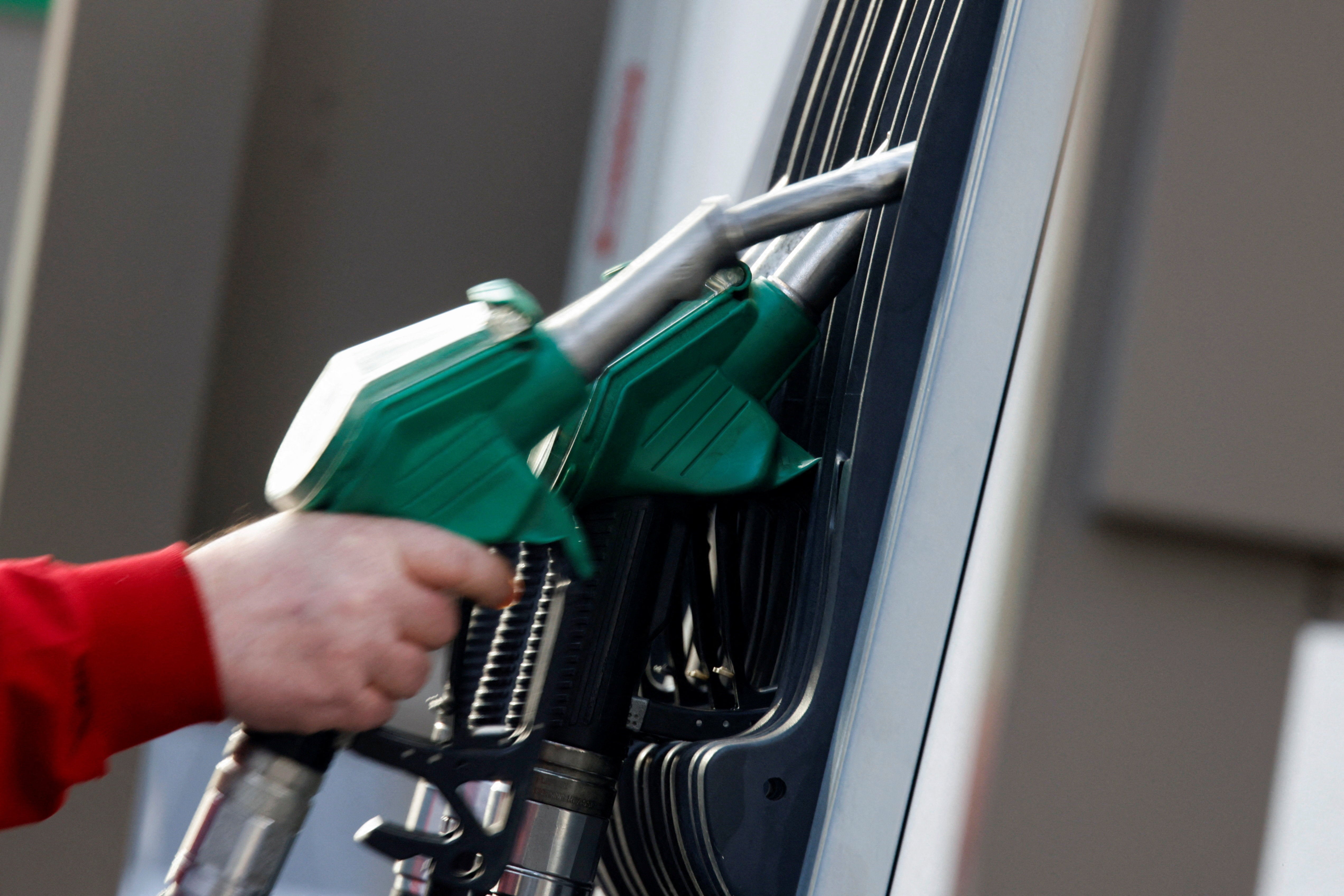
High costs mean the cost of filling up an average family car now stands at £110, according to the RAC – close to £32 more than at the start of the United States’ war with Iran in February.
Dr Jonathan Owens, an operations and supply chain expert at the University of Salford, said releasing emergency stocks can provide an important short-term buffer but warned it would not solve the underlying issue.
“Additional diesel entering the market could help maintain availability, reduce immediate supply pressures and potentially limit extreme price movements. Crucially, it also buys businesses time to adapt their logistics, sourcing and inventory strategies.
But he cautioned: “Using them now reduces protection against future disruption until those stocks are replenished… Emergency stocks can provide valuable breathing space, but they are a short-term intervention rather than a long-term solution.”
And he said price increases would also have knock-on effects for essential parts of household budgets as the rising cost of moving goods works its way through the supply chain.
He added: “The impact will not stop at the petrol station. Almost everything we buy has travelled through a supply chain, often involving several diesel-powered journeys.
“Food, construction materials, manufactured goods and online deliveries are therefore all exposed to higher transport costs. That creates another source of inflationary pressure at precisely the point households and businesses can least afford it.”
President Trump has been considering the potential ban to bring down US fuel prices ahead of November’s midterm elections, but it was not known whether the UK would be included.
US energy secretary Chris Wright told reporters on Wednesday before the new deal was agreed: “It is in Europe’s best interest to work with the United States as we pursue multiple pathways to boost the supply of refined products and lower costs for consumers.”
Meanwhile, British officials are in talks with the US over any possible ban on exports, and Andy Burnham has said he would seek an exemption for the UK if it came to that.
Chancellor John Healey said he was taking the threat “very seriously”, telling BBC: “We’re also making the provision that we may need to and we have our own stocks in the UK.”
“We work very closely with the Americans,” the chancellor said. “In the end, we’re also working with the Americans where we can try and put in place what will solve this, or at least significantly ease it, which would be a diplomatic settlement [and] an end to the fighting with Iran.”