









Want to bookmark your favourite articles and stories to read or reference later? Start your Independent Membership today.
Join today
Already a member?
Log in
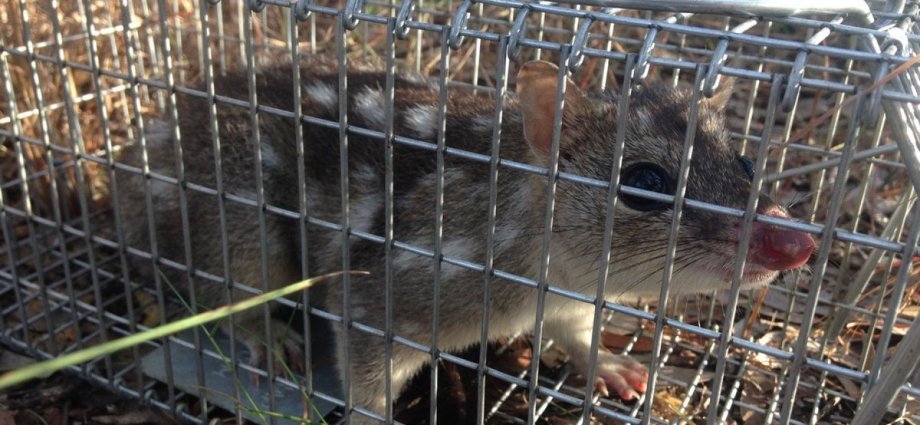
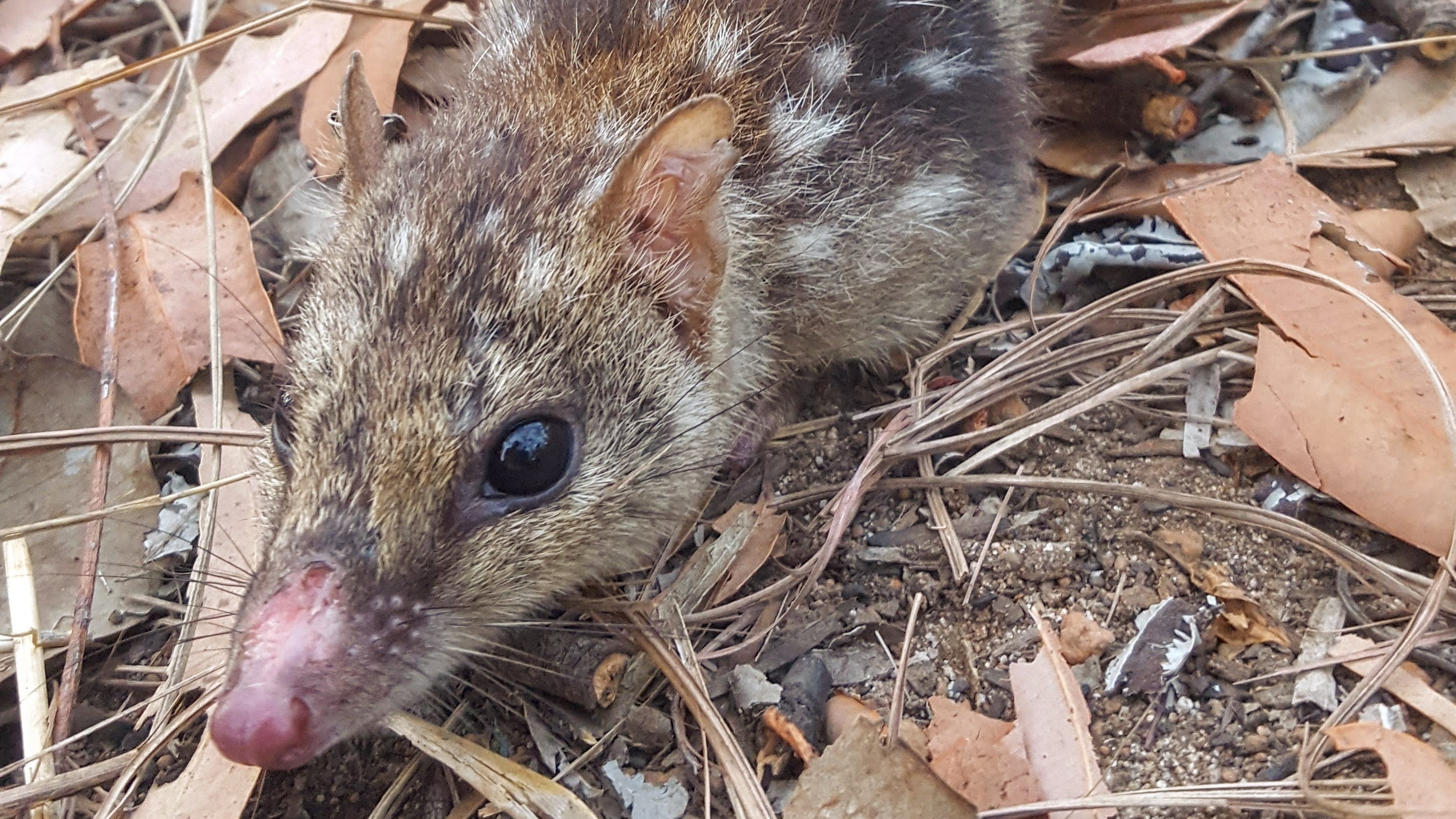
The small, nocturnal Northern quoll, which was abundant across Australia just decades ago, is now close to extinction across the continent, scientists warn following a local survey.
Researchers could not catch even a single glimpse of the nationally endangered quoll in 12 months of camera-trap surveys at the Litchfield National Park.
The cat-sized marsupial could be locally extinct, according to PhD candidate Ryan Sauermann from the University of Melbourne.
It plays a key role in balancing local ecosystems as an agile predator that consumes large quantities of insects and small animals like lizards, frogs, and rodents.
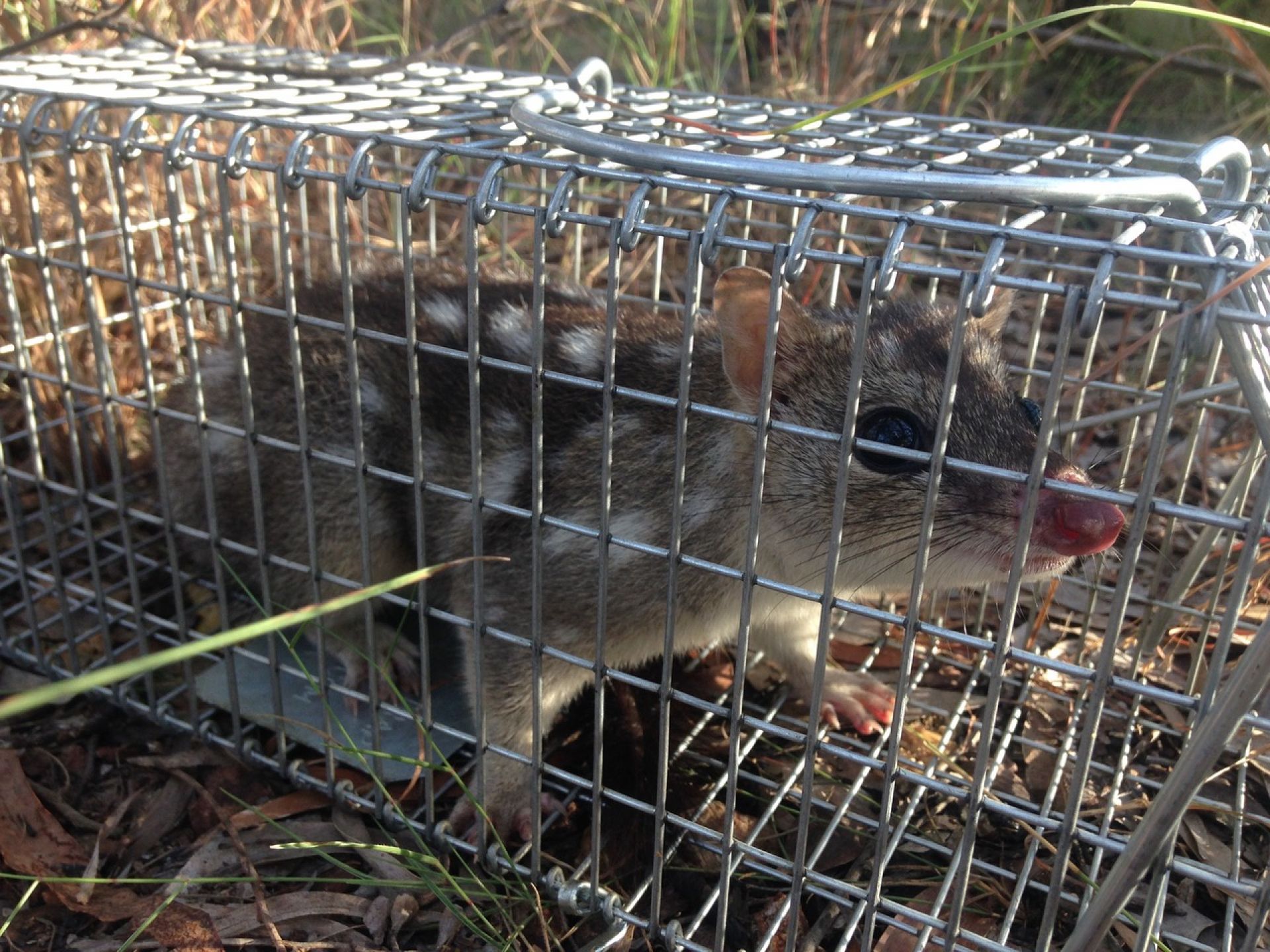
Mr Sauermann conducted a study to estimate quoll numbers in the northern Australian region by analysing data from 30 automated camera traps.
While the camera traps captured footage of feral cats, cane toads, wild pigs, buffaloes, rodents, birds, and even an echidna, not even one northern quoll could be spotted.
“Just because we’re not finding anything right now doesn’t mean that they’re not here, doesn’t mean we should stop looking,” the PhD candidate told ABC News.
Previous studies have warned that quolls across Australia are threatened by rat and mouse baits commonly used around homes and workplaces, as well as feral predators and the expansion of agricultural areas.
Invasive cane toads and altered forest fire regimes are also suspected to be playing a role in the disappearance of Australia’s quolls.
The toxic toads were introduced first in Queensland from Hawaii in 1935 to control the native sugarcane beetle, but over the years, they have multiplied into a population of over 1.5 billion.
When quolls eat the cane toads, they ingest lethal neurotoxins that kill them.
Quoll numbers in many areas have been observed to decline by nearly 95 per cent immediately after a cane toad invasion.
But even when marsupial declines were reported in other parts of Australia, the North’s uncleared savannas were once considered a haven for many species.
Earlier this year, scientists working with Indigenous leaders estimated that the drastic decline of the once-abundant quolls in northern Australia occurred within just two to three generations.
It now occupies only about half of its historical range, broken up into smaller, isolated clusters in Western Australia, the Northern Territory, and Queensland.
-is-measured-in-Australia.jpeg)
Researchers warn that the quolls could vanish completely within decades if current trends continue.
They call for focused fire and feral animal management in quoll areas to provide the best opportunity to maintain and restore their populations.
Scientists also developed a method to train quolls to become averse to cane toads.
In this technique, conservationists make what’s called a “toad sausage” by mincing up the back legs of the toads that have low toxin levels, and mixing it with a non-lethal, nausea-inducing chemical called thiabendazole.
Quolls that eat the sausage fall sick, and once they recover, show an aversion to the toads.
“They’re the ones managing, not just insect populations, but also other rodent populations,” Mr Sauermann said.