










Want to bookmark your favourite articles and stories to read or reference later? Start your Independent Membership today.
Join today
Already a member?
Log in
Nazi Germany was nowhere near developing a working nuclear reactor in 1945 as Allied troops closed in, a new study said, countering the claim by physicist Werner Heisenberg that the attempt was a “near miss”.
Germany was in a race with the US to build nuclear weapons. While Germany ultimately failed in the quest, and lost the war, America’s Manhattan Project delivered working atomic weapons that it used with devastating impact on Japan.
Making the bomb required scientists in both nations to produce fissile material by constructing nuclear reactors.
The US won that race, but it was believed that Germany had come close to building a reactor of its own.
Germany’s final attempt to build a reactor before Allied troops stormed in was the B8 pile, which used heavy water as a moderator. The only source of heavy water at that time was the Norsk Hydro plant in Norway, which was controlled by Germany from April 1940 until November 1944.
The American designs used graphite as a moderator.
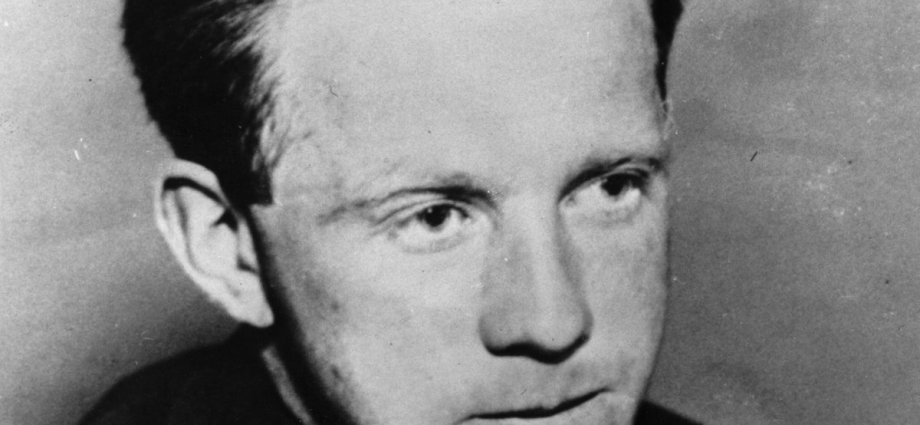
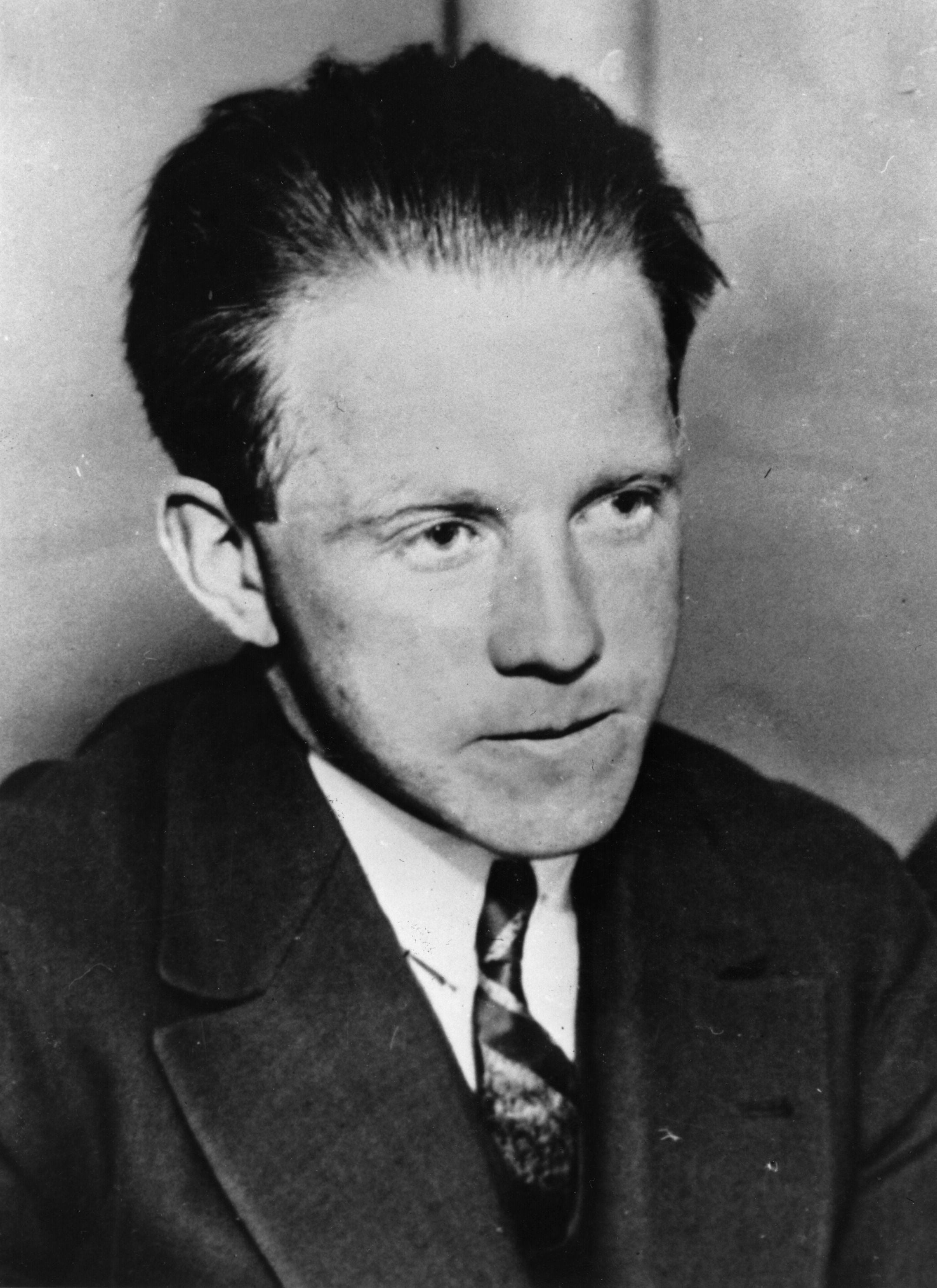
The B8 pile was designed by Heisenberg, a pioneer of quantum mechanics and winner of the Nobel Prize, who claimed in a 1947 article in Nature that the Germans were quite close to building a fully functional nuclear reactor. He said the B8 was “just insufficient” in achieving self-sustaining fission, lacking only a “relatively small amount of uranium”. However, new calculations suggest Heisenberg “significantly underestimated the materials required”.
Historians have long suggested the Germans would have gained an edge if they had pursued graphite moderators like the Americans.
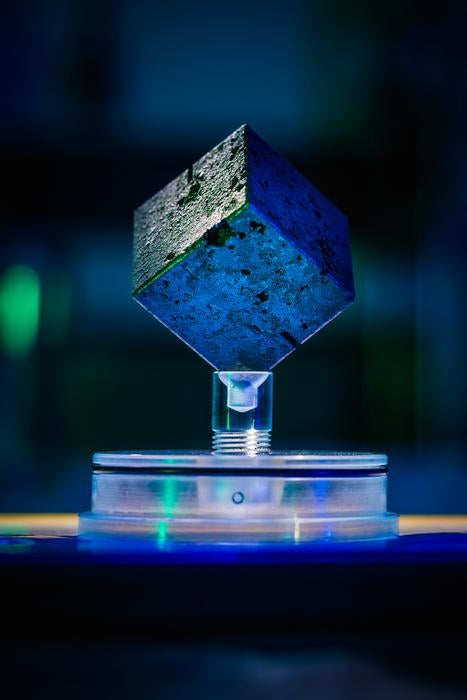
The new study, published in PNAS Nexus, assessed two cubes of natural uranium from the German project as well as historical records, technical reports, correspondence and other archival material.
It found the B8 pile would have required twice as much uranium as it had, and twice as much heavy water as was produced by Norsk Hydro during the entire war.
The graphite available in German-controlled areas would not have made for a suitable substitute moderator either.
The Germans simply did not possess the materials necessary to build a working bomb at the time, the study concluded.
“The Germans would have needed about two times the uranium and about 2.2 times the heavy water than they used, far exceeding Heisenberg’s predictions,” researchers wrote.
“Our findings indicate that Germany could have built neither a heavy water nor a graphite reactor in World War II.”