











Want to bookmark your favourite articles and stories to read or reference later? Start your Independent Membership today.
Join today
Already a member?
Log in
Countries that have more indoor cats tend to have happier people, according to a new study that reveals complex links between felines and their parasites.
A country’s national happiness score gauges the general well-being of its population and is associated with economic factors such as family income and health costs. Other factors influence this measure as well, but they are rarely explored.
In the new study, Mexican scientists looked at the relationships underpinning national well-being by factoring in the presence of indoor cats and their parasites.
They compiled data on income, GDP, healthcare costs, domestic cat density and the prevalence of Toxoplasma, a parasite that can jump from cats to people, from 93 countries and discovered that the more cats in a country, the higher the national happiness, a finding consistent with research on the benefits of pet ownership.
Finland, Denmark and Sweden, which topped the happiness index, had the highest number of cats, about 1,700-2,000 per 10,000 people.
But the correlation largely broke down if the cats carried Toxoplasma. The greater the prevalence of Toxoplasma, researchers found, the lower the national happiness. This was true for countries such as Lebanon, Yemen, Gabon, and Ethiopia, which had some of the highest prevalence of Toxoplasma, and were also closer to the bottom of the happiness rank table.
Saudi Arabia and Brazil are notable exceptions, with high prevalence of Toxoplasma but also relatively high happiness ranks.

“What we found is countries with more cats tended to report higher levels of happiness while countries with higher exposure to Toxoplasma gondii tended to report lower levels of happiness,” scientists wrote in the study published in PLOS One.
“Of course, these are associations at the country level, so we cannot say that having more cats makes people happier or that Toxoplasma makes them less happy, but the patterns are interesting enough to deserve further investigation,” they said.

The counterintuitive results point to complex factors at work.
Scientists suspect the influence of cats on happiness comes from economic factors. Cat ownership is typically tied to higher incomes and better public health access, which may also account for reduced infection rates.
“What we find most interesting is that these results bring together factors that are usually studied separately: wealth, health, human-animal relationships, and infectious disease,” researchers wrote.
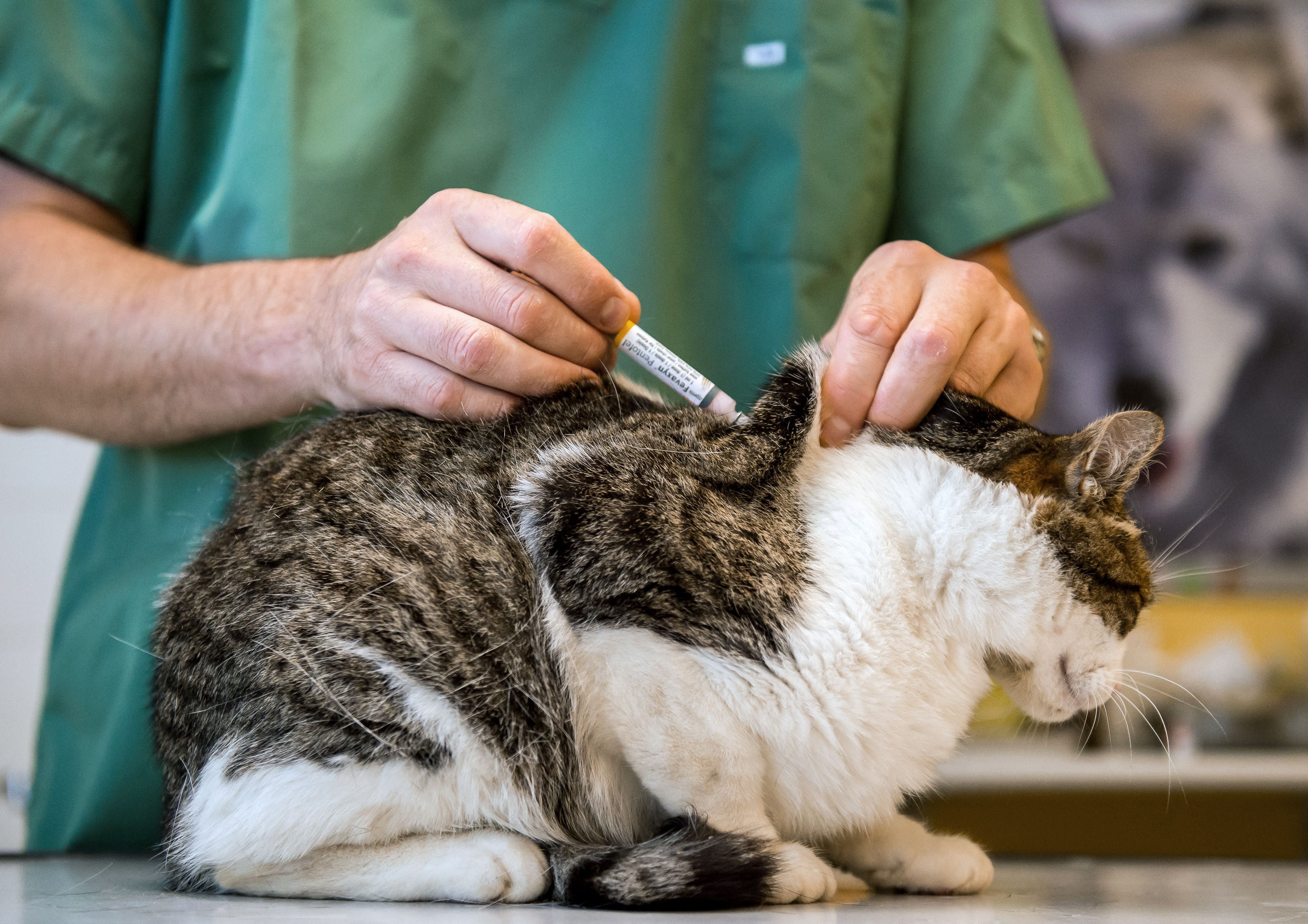
The new study indicates, researchers say, “that understanding why some populations report greater well-being may require us to consider biological and ecological factors alongside the socioeconomic conditions that have traditionally received most attention”.
They call for future studies to determine the underlying mechanisms.
“One of the most surprising findings was that countries with more cats did not show greater exposure to Toxoplasma gondii. In fact, the association went in the opposite direction,” the research noted. “This highlights an important point: the relationship between humans, animals, and infectious diseases depends not just on the presence of animals, but also on the social, economic, and environmental conditions in which those interactions occur.”