









Want to bookmark your favourite articles and stories to read or reference later? Start your Independent Premium subscription today.
Subscribe
`;
document.body.appendChild(modal);
modal.addEventListener(‘click’, () => {
document.cookie=”mos-plan-select=; Max-Age=0; path=/; expires=Thu, 01 Jan 1970 00:00:00 UTC;”;
});
modal.querySelector(‘.subscribe-link’)?.addEventListener(‘click’, (e) => {
e.preventDefault();
document.cookie=”mos-plan-select=; Max-Age=0; path=/; expires=Thu, 01 Jan 1970 00:00:00 UTC;”;
setTimeout(() => {
window.location.href=”https://www.independent.co.uk/subscribe/app”;
}, 500);
});
});
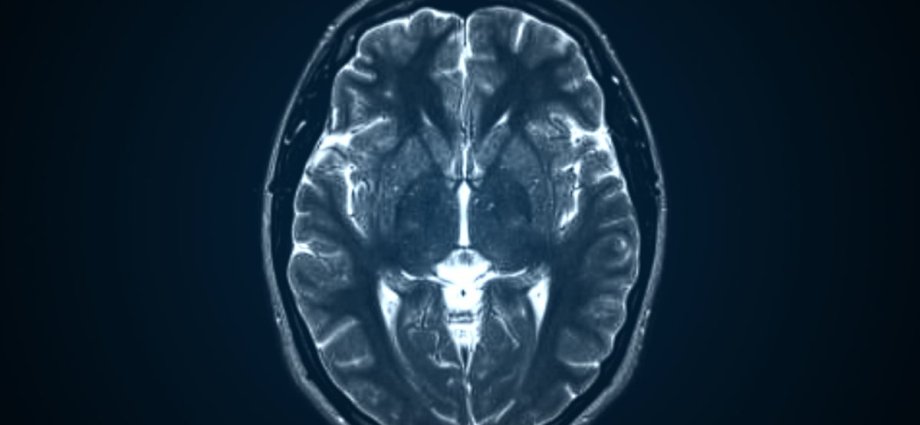
The human brain is not a single organ, but two separate systems that evolved independently before fusing together, according to groundbreaking new research.
Scientists at Stanford University made the discovery while trying to solve a longstanding laboratory puzzle: why brain stem cells were nearly impossible to grow in a dish, while cells from the front of the brain grew with ease.
By examining how the brain forms in its earliest stages, the team discovered that the front and back sections of the organ arise from completely different cellular starting blocks.
It had been believed that the entire brain developed from a single master parent cell.
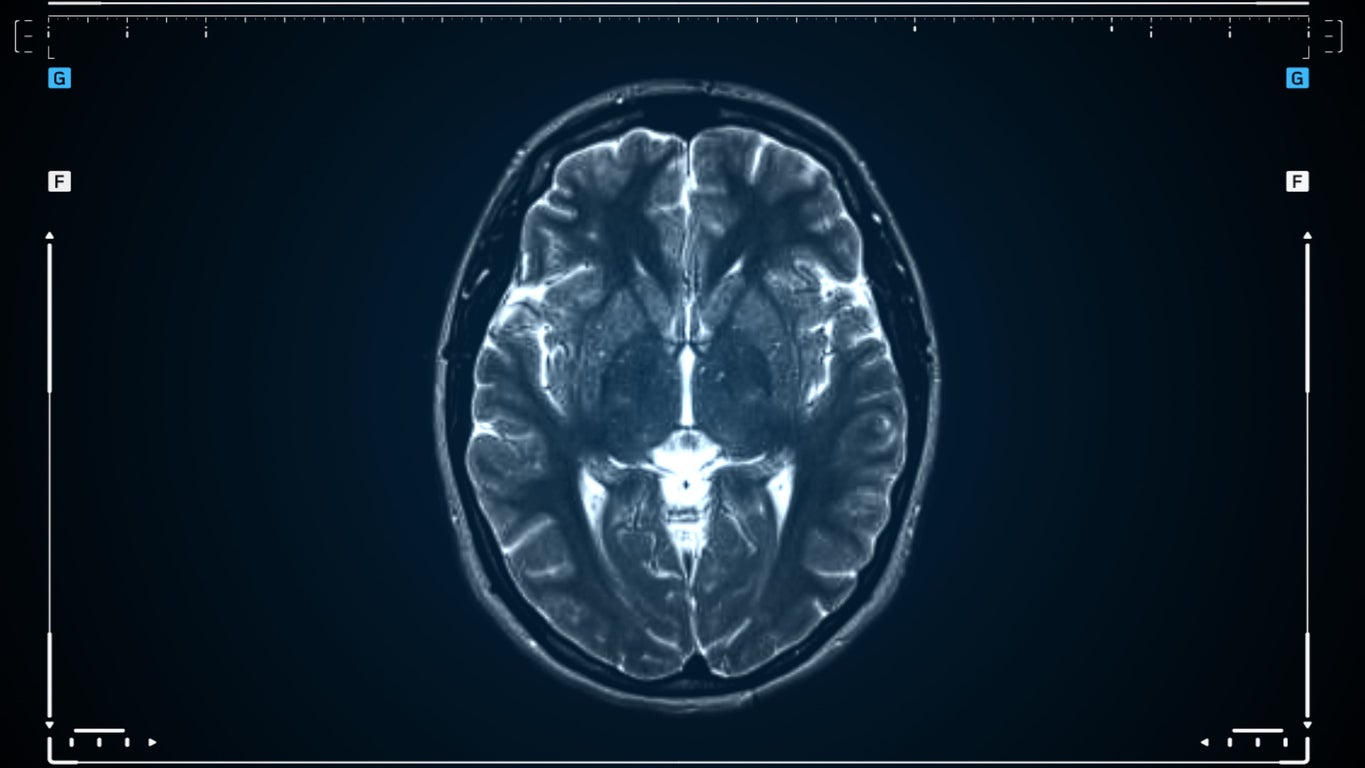
However, by observing embryos during gastrulation — the critical developmental stage where a simple cluster of cells begins organising into actual body structures — the Stanford team has identified two distinct cell groups.
One cell group was hardwired exclusively to form the front of the brain, while the other was committed solely to creating the back. Further analysis showed the genetic instructions inside these two groups were packaged in entirely different ways, locking them onto separate paths that never cross.
“Having the brain as one organ would probably be more efficient, but we rely on this primordial way to make the brain as two separate pieces,” said Dr Kyle Loh, associate professor of developmental biology at Stanford.
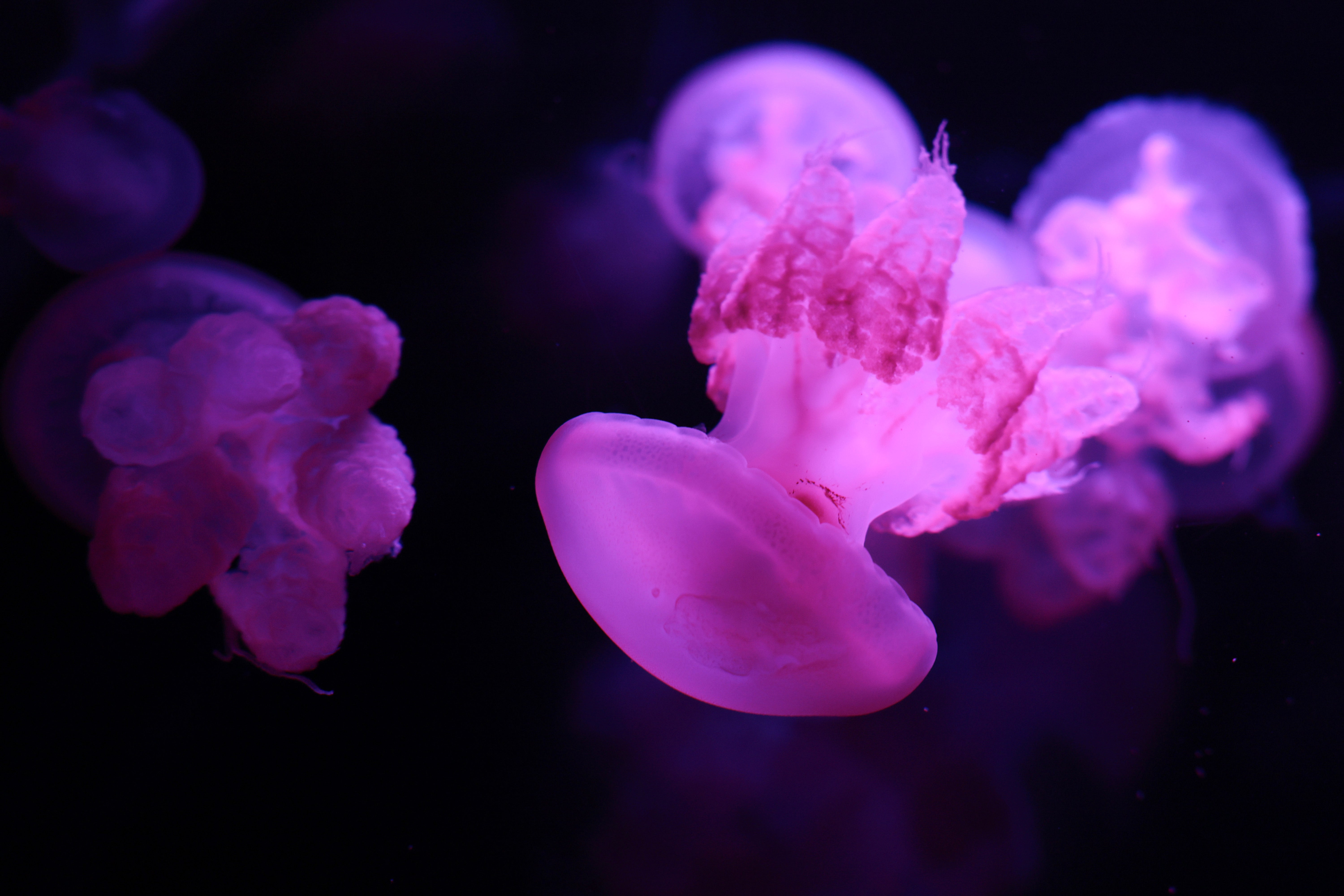
Researchers believe that in distant evolutionary history, these two systems existed in separate physical locations within primitive animals — similar to how jellyfish possess separate nervous networks across different parts of their body.
The hindbrain, located at the base of the skull, acts as the body’s automatic control centre, governing survival functions like heart rate, breathing, and sleep cycles.
The midbrain and forebrain handle high-level thinking, including language, logic, and abstract reasoning.
Despite their separate origins, the two systems integrate seamlessly to carry out daily tasks.
The researchers discovered the same dual-system structure in acorn worms – marine creatures sharing a distant common ancestor with humans indicating this two-part design dates back at least 500 million years.
The findings, published in Nature Neuroscience, mark a major breakthrough for medical research.
Armed with the knowledge of how hindbrain cells uniquely form, the team has successfully turned human stem cells into becoming functional hindbrain motor neurons in a lab for the first time.
For researchers, the ability to produce these specific nerve cells is expected to dramatically accelerate research into fatal neurodegenerative conditions like amyotrophic lateral sclerosis (ALS) and spinal muscular atrophy (SMA), which specifically target and destroy motor neurons in the lower brain.
“Our ability to create large numbers of human hindbrain motor neurons in a petri dish from stem cells offers a new approach to model these diseases,” Jokhai said.
“The hope would be to one day provide regenerative therapies for patients suffering from the numerous neurodegenerative diseases that exist.”