










Could poop be the answer to potentially life-threatening peanut allergies – or allergies to other foods?
Fecal transplants – dubbed “poop pills” – from people without food allergies have proven to help people with peanut allergies tolerate the nuts months later, a small but groundbreaking new clinical trial of 15 adults shows.
“This landmark study was the first to demonstrate that a microbiome-based therapy may improve food allergy in people while also revealing how gut bacteria, their metabolites and the immune system work together to influence treatment response,” Dr. Rima Rachid, director of the Food Allergy Program and the Allergen Immunotherapy Program at Boston Children’s Hospital, said in a statement.
The findings could help the 33 million Americans who have at least one food allergy, as well as the nearly five million Americans who suffer from peanut allergies.
Peanut, nut, milk and egg allergies are some of the most hazardous food allergies, according to the American Academy of Allergy Asthma and Immunology.
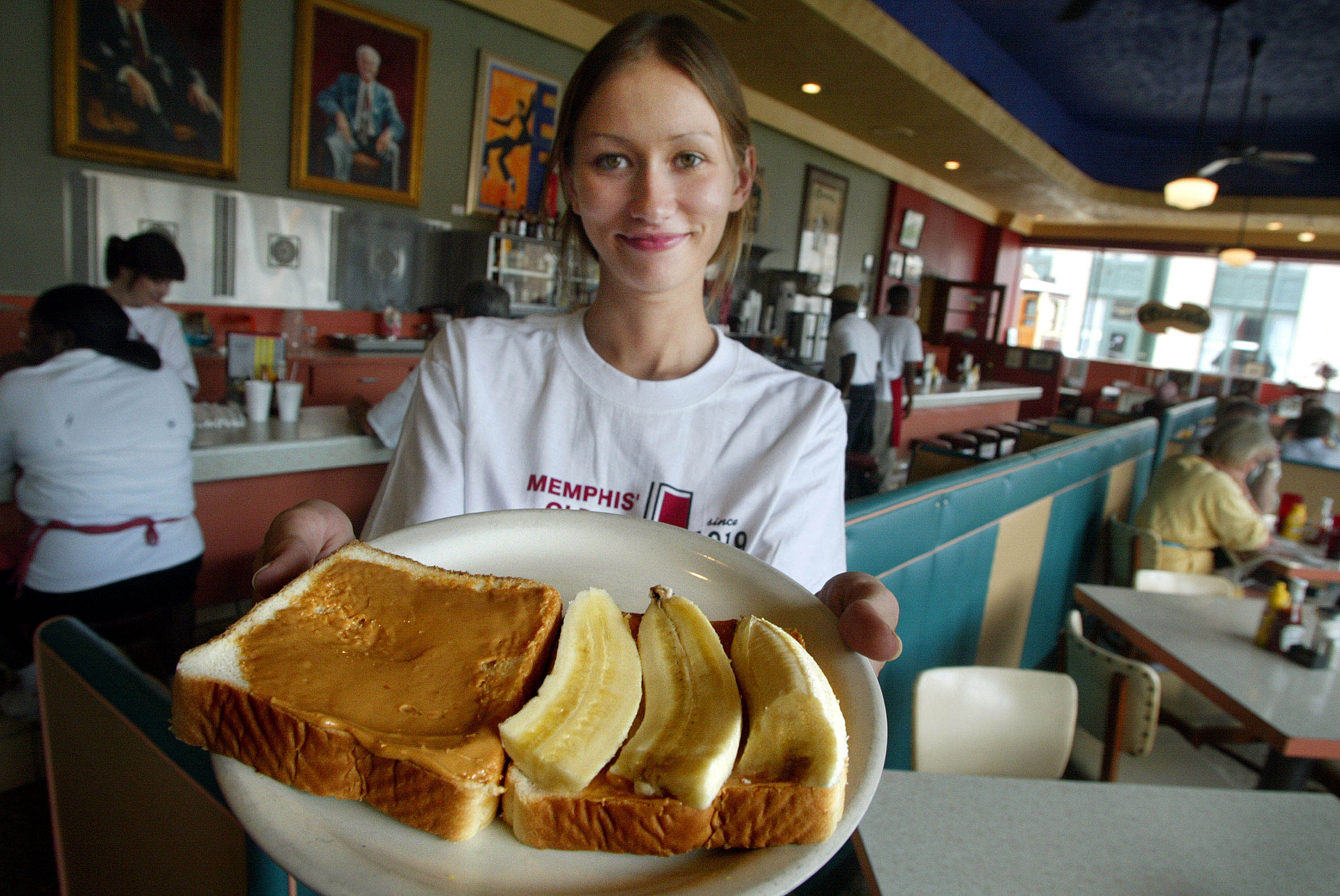
Peanuts allergies are also one of the most common allergies among children, although recent research has shown allergy cases have declined among kids following recommendations to feed kids peanuts earlier.
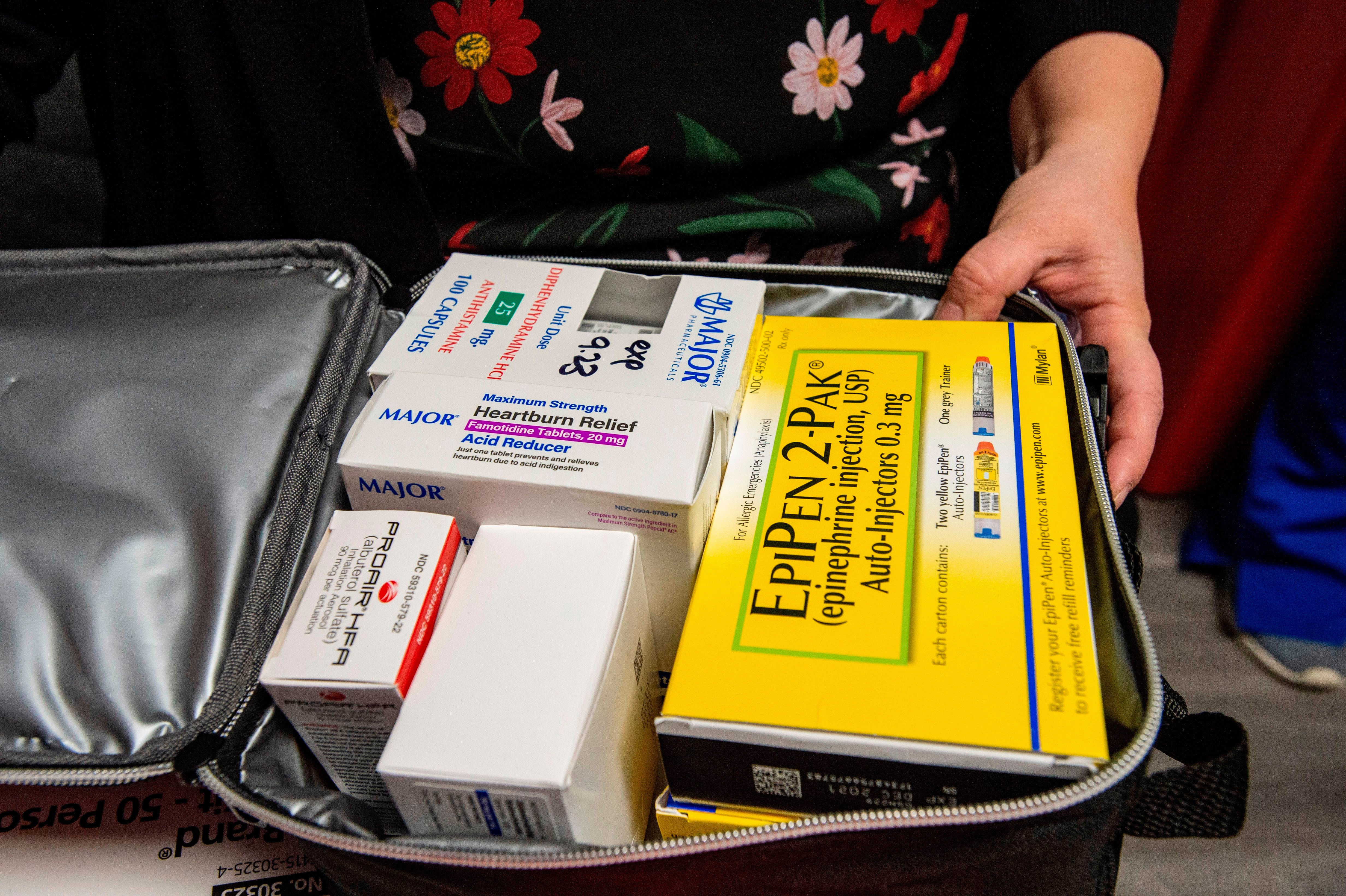
Exposure to peanuts for just a few minutes can cause hives, vomiting, dangerously low blood pressure and airway swelling that makes it hard to breathe, the Cleveland Clinic notes. While rare, these reactions can be fatal in people without access to treatment: shots of the hormone epinephrine that reverse symptoms, often known as EpiPens.
An average of four peanut allergy deaths occur in the U.S. each year, the non-profit Institute of Clinical and Economic Review says.
All food allergies cause an average of up to 200 deaths nationwide, per researchers at the Centers for Disease Control and Prevention and state health departments.
That requires Americans to be on guard when they leave their homes – and one EpiPen dose isn’t always enough, the academy says.
“People with food allergies want freedom from constant anxiety and extreme vigilance and to not have be on guard for potentially dangerous exposures every time they leave the house,” said Rachid.
That’s why more testing is necessary, she said.
In this study, Rachid and her team used 36 frozen “poop pills” taken orally to transfer good bacteria to their gut and results showed people who took antibiotics before these transplants saw more success.
They also found that people who responded to treatments – most of whom were men – had increased levels of bile salts: salts that are made in the liver and help us break down fats.
Metabolizing these salts was linked to increased levels of immune system-regulating cells that protect us from allergic reactions.
The researchers also transplanted gut bacteria from participants’ stool samples into mice, finding that the bacteria from people who responded to treatment also protected mice from developing allergies to an egg protein.
Because the mouse studies tested a different allergen, the transplant is likely to work for more than just peanut allergies, study co-author Talal Chatila, an immunologist at Harvard Medical School, told Nature.
Rachid is now leading a new study in teens that will test transplants, including a purified form of microbes that can be stored in a home fridge.
But it’s still a long time before this method will be widely used, Alexander Khoruts, a gastroenterologist at the University of Minnesota who is collaborating with Rachid, told Nature.
Even with sufficient fundraising, “it would take about ten years” for the bacteria to be approved by regulators, he said.