










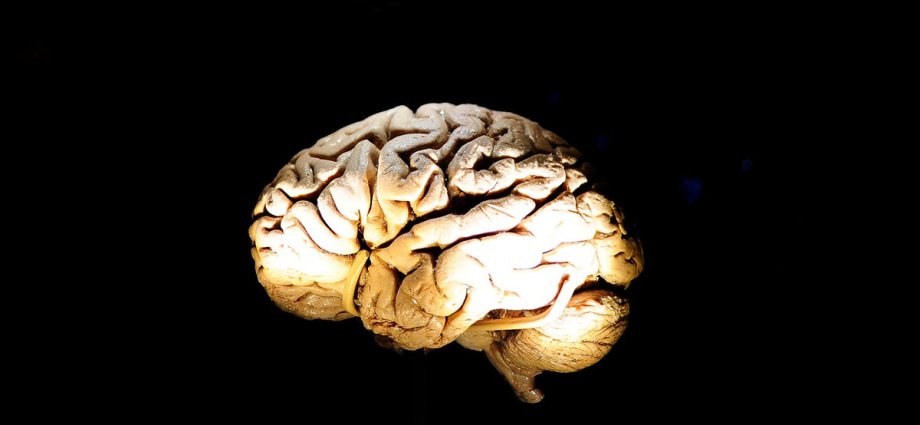
Recreating the environmental context under which a memory is formed might help it resurface even if it is seemingly forgotten, a new study involving fruit flies suggests.
Memories are notoriously imperfect, with some fading over time while others remain hidden altogether until they are brought back by reminders.
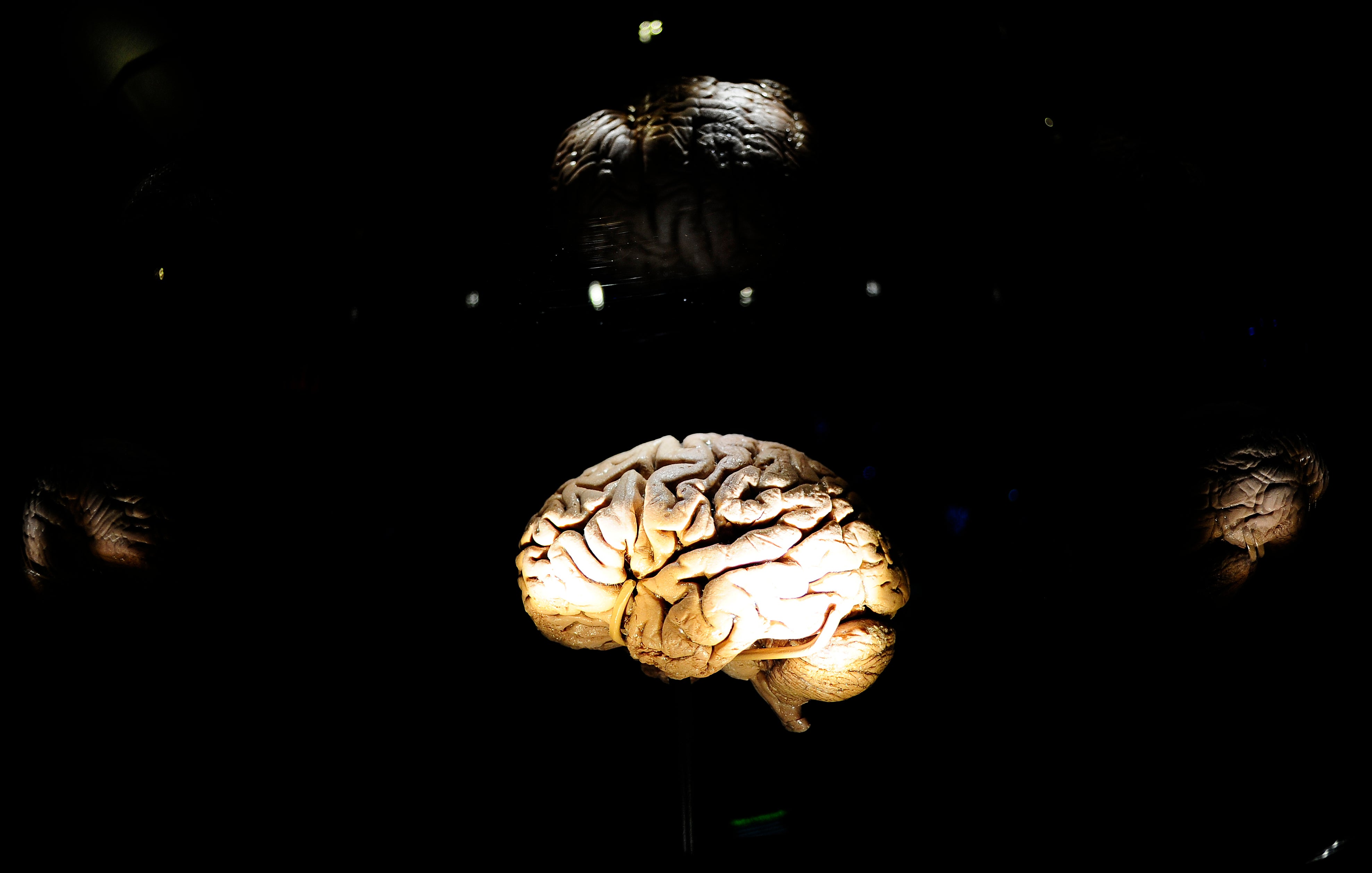
The research suggests that some forgotten memories are not completely erased, but can persist in the brain in a silent form that can later be recovered.
It still remains unclear how the brain accurately recovers some memories and ends up forming false ones.
“The neuronal processes governing true memory recovery and false memory formation remain poorly understood,” write researchers in the study published in the journal Nature Neuroscience.
This fruit fly study now provides fresh clues to how memories work.
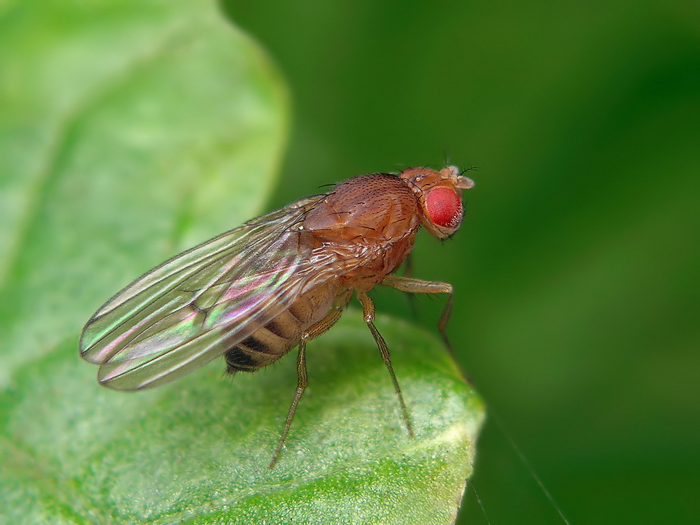
In the study, Swiss researchers trained the flies to associate an odour with mild electric shocks.
While the flies avoided that odour immediately after training, 24 hours later this learned avoidance had faded, seemingly forgotten.
But when scientists recreated the original training setting and exposed the flies to the same odour, the aversive memory was recovered, and the flies avoided the odour again.
The reminder only worked when the training chamber’s original texture and lighting were recreated, hinting that the environmental context helped bring the memory back.
Peering into the flies’ brains, scientists found that the original pattern of nerve activity linked to the memory faded over time.
But a silent trace of the memory remained in different groups of neurons, researchers found.
This trace could be reactivated with a specific reminder, they found.
“From this silent state, reminders recover memory expression by reinstating the original memory trace,” researchers wrote.
Scientists also found that the flies formed “false memories” in some cases.
In another experiment, the flies were subject to a second odour that was not paired with a shock.
When scientists later used that harmless odour as the reminder, the flies began avoiding it too.
“Manipulating reminders can distort recovery, leading to false memory formation,” they explained.
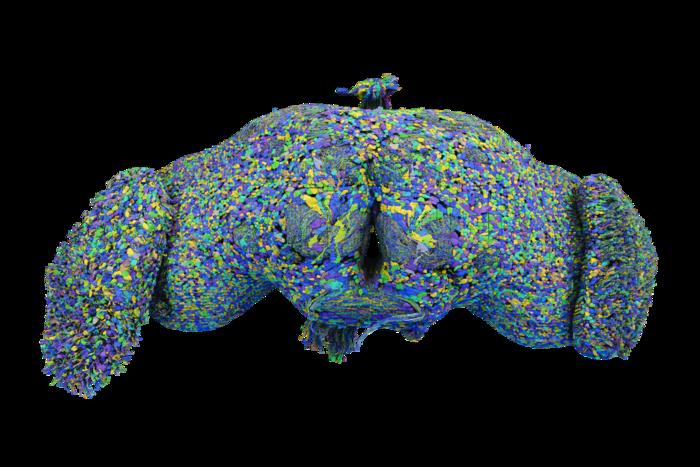
Researchers found that the brain pathways involved in forming the false memory were different from those used to recover the true memory.
This suggests, at least in fruit flies, the brain may process recovered and distorted memories through distinct nerve circuits.
While fly memory is not the same as human recollection, the findings offer an example of how remembering can depend on the context of stored information, scientists say.
“Together, these findings suggest that forgotten memories can re-emerge through a reconstructive process,” they concluded.