










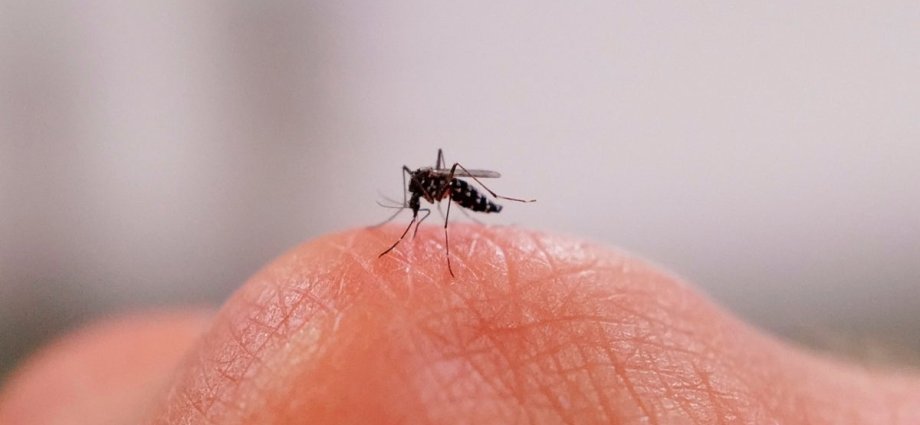
Skin bacteria and body odour are why mosquitos bite some people more than others, according to a new study.
Anecdotally, many people claim that they are bitten often by mosquitoes while others are completely ignored.
The reason for such discrimination by mosquitoes has remained a mystery. Previous research has indicated that a person’s body odour could be behind their attractiveness to mosquitoes but most studies so far have inspected only one insect species at a time.
This has left it unclear whether different mosquito species have varying tastes for human blood.
Now, researchers have found that each mosquito species favours its own blend of human scents.
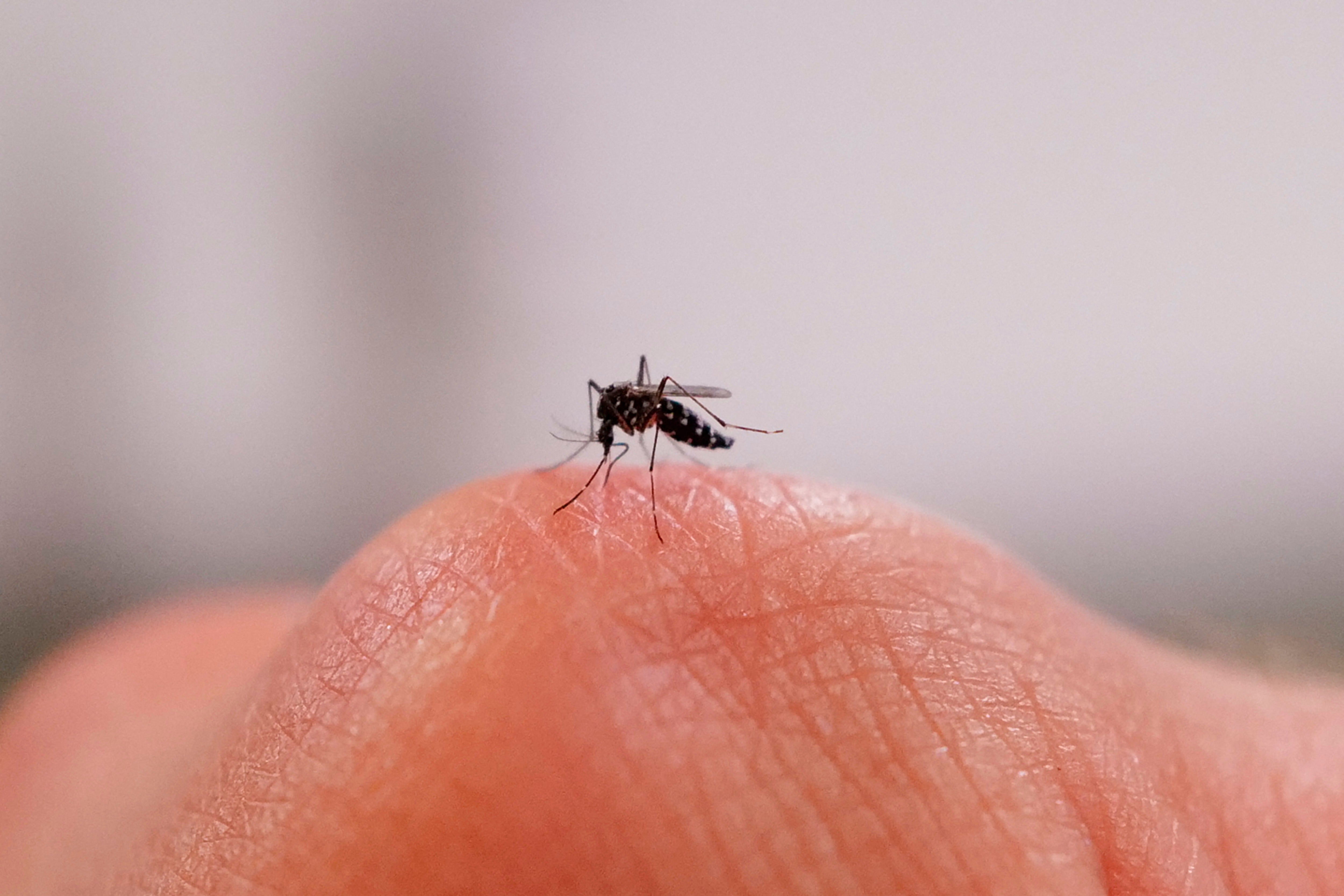
They recruited nearly 120 volunteers in Miami, Florida, and had each place an arm into a special scent chamber, called uniport olfactometer, to analyse the smell they gave off.
At the other end of the tube, they placed three different mosquito species –Aedes aegypti (Yellow fever mosquito), Aedes albopictus (Asian tiger mosquito), Culex quinquefasciatus (Southern house mosquito).
Since the Culex quinquefasciatus mosquitoes bite at night, volunteers wore nylon arm sleeves to capture their skin scent.
Scientists also sampled the air around each participant’s arm and analysed the chemical makeup of their skin odours.
Participants’ forearms were also swabbed and DNA sequencing was conducted on the samples to identify bacterial species living on their skin.
Researchers then compared the most and least attractive volunteers for each mosquito species.
They found that Aedes aegypti had a slight preference for male participants but the other two species demonstrated no sex bias.
“Our findings indicated sex-specific differences in A aegypti mosquito attraction but not in A albopictus or C quinquefasciatus mosquitoes,” they wrote in the study published in the journal iScience.
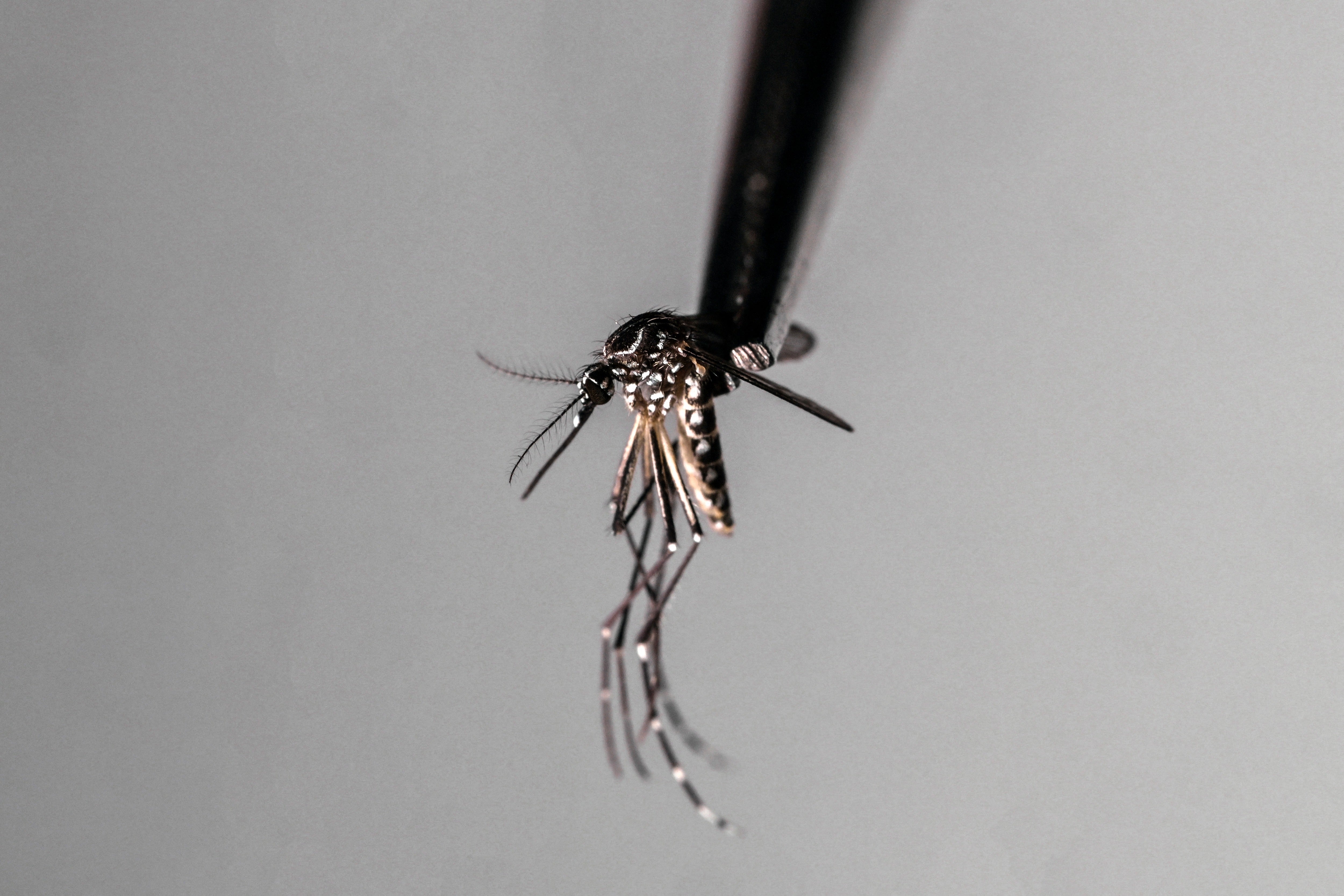
In comparison, Aedes albopictus was attracted to people carrying specific scents like ketones.
As skin bacteria feed on our sweat and natural oils, researchers say, they convert them into odours that mosquitoes can detect.
Overall, scientists found 246 different types of skin microbes across the participants, including Corynebacterium kefirresidentii, Cutibacterium granulosum, and a variant of Staphylococcus epidermidis.
“Each mosquito species exhibited distinct responses to individual humans, emphasising both unique and shared cues for targeting their hosts,” researchers wrote.
“Unravelling this complexity will aid ongoing efforts to generate microbial-based mosquito repellents that produce repulsive compounds or reduce attractive cues.”