





It was 1989, George H.W. Bush was in the White House, Madonna was on the radio and the country was in the grips of its last major measles outbreak – until today.
“People were scared to death to come to the city. I mean, schools canceled trips to the city. We were pulling one dead child out of the house after another,” pediatrician Dr. Paul Offit, an infectious disease expert at the Children’s Hospital of Philadelphia who was working in the city as cases exploded, told The Independent.
By the time the outbreak ended nearly three years later, there had been 55,467 cases and 166 deaths across the country, Centers for Disease Control and Prevention records show.
It was the worst outbreak the country had seen since the measles vaccine, which also targeted preventable illnesses mumps and rubella, was introduced in 1963. Public health officials blamed the crisis on low vaccine coverage.
Now – with more than 2,300 cases of the potentially-deadly disease in the U.S. and numbers rising weekly – there are no such vaccine barriers. But different obstacles exist: beginning with the White House.
A skeptical White House
President Donald Trump’s public health agenda, spearheaded by Health Secretary Robert F. Kennedy, Jr., has seen vaccine skeptics added to advisory panels and conspiracy theories about vaccines spoken about inside the federal government.
Trump himself has repeatedly claimed that young children are given 80 different vaccines.
“They give — I mean, for a little baby to be injected with that much fluid?” Trump told reporters in September. “Even beyond the actual ingredients, they have sometimes 80 different vaccines … It’s like you’re shooting up a horse.”
The number of vaccinations before the age of 18 is typically between 30 to 50, doctors say.
The president has also recently pushed Kennedy – long known as a vaccine skeptic – to be more aggressive on cutting federal recommendations for annual child vaccines over the debunked ties to autism, The Wall Street Journal reported earlier this month.
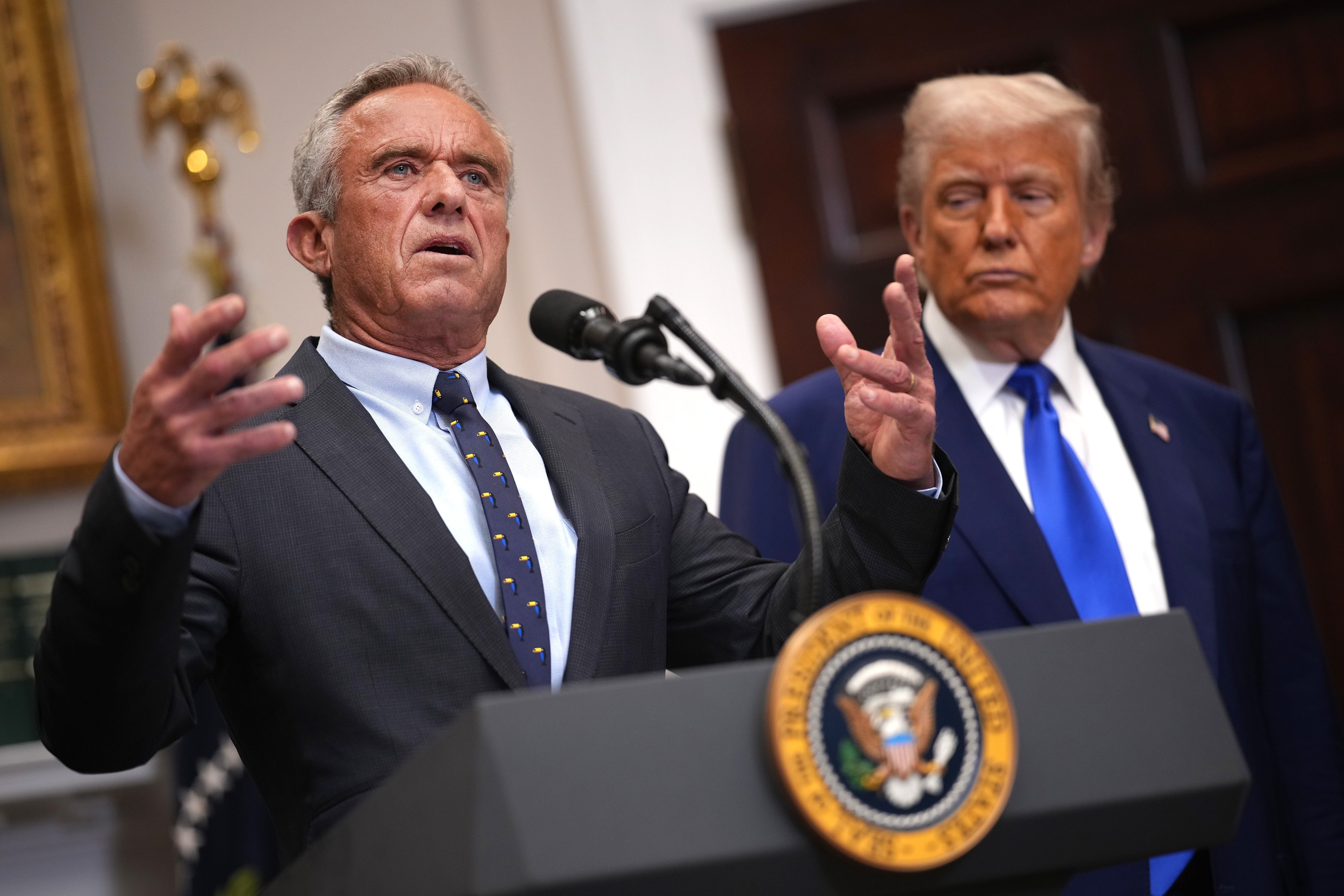
Last year, Kennedy said he directed the CDC to abandon its longstanding position that vaccines do not cause autism.
“The whole thing about ‘vaccines have been tested and there’s been this determination made,’ is just a lie,” he told The New York Times in November.
White House spokesperson Kush Desai also previously told the The Independent that people worried about “skyrocketing autism rates have long been ignored if not mocked.”
He added that the administration is “committed to leaving no stone unturned to finally address these concerns with Gold Standard Science.”
In vaccines we distrust
Distrust in vaccines in the U.S. came long before Trump but has grown in recent years because of misinformation that circulated online during the Covid-19 pandemic and in podcasts and social media since then.
That distrust has been at the heart of America’s measles resurgence, with vaccine skepticism rising 15 percent since 2019, according to a study from the University of Arkansas.
About one in five parents are not confident childhood vaccines have been tested enough or that the annual vaccine schedule for kids is safe, according to a 2025 Pew Research Center survey.
“Here we have a skeptical, mistrustful, conspiratorial population goaded on by people like Bobby Kennedy Jr. And now we have a very different kind of problem – and a dangerous one,” Dr. Irwin Redlener, co-founder of non-profit healthcare organization Children’s Health Fund with the musician Paul Simon, told The Independent.
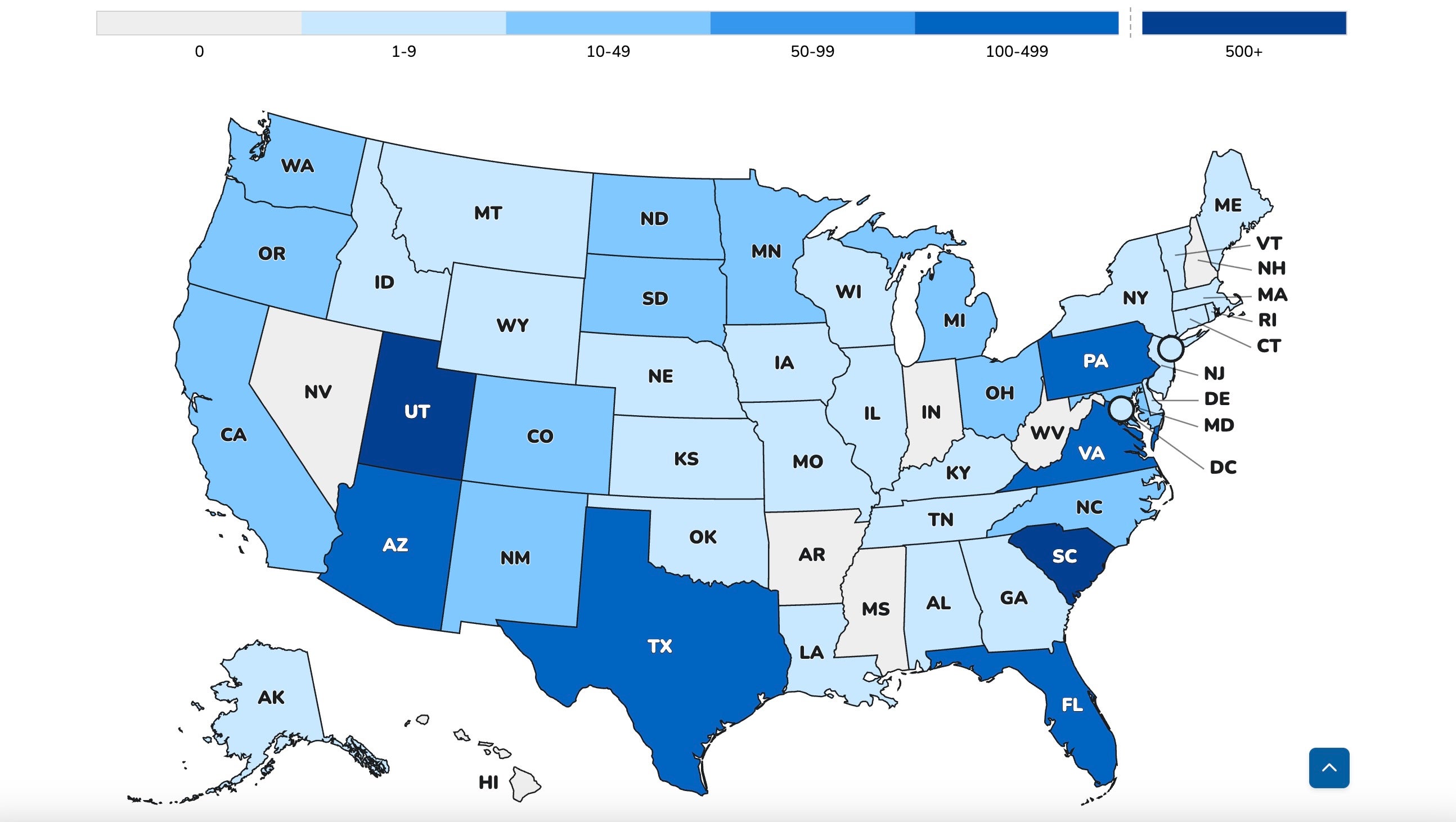
Since last year, there have been several large measles outbreaks affected by vaccine skepticism, including in a Mennonite community in West Texas and an evangelical Christian community in South Carolina. There were two child deaths reported in Texas.
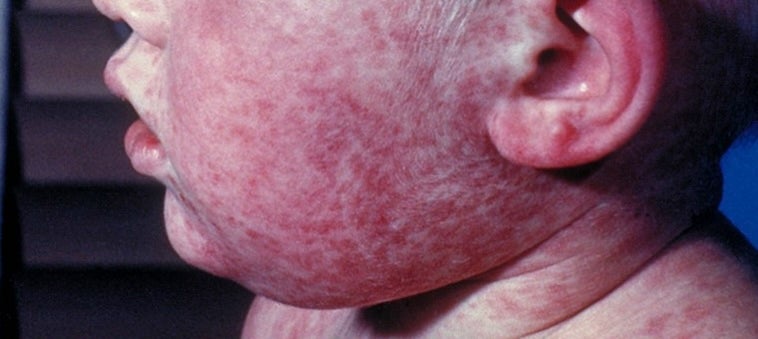
Measles appears as an angry red rash dotting all areas of the skin, with cases causing a high fever, pink eye and runny nose. Normal cases typically last for a week or two but some who are infected develop a progressive brain disorder that is often fatal.
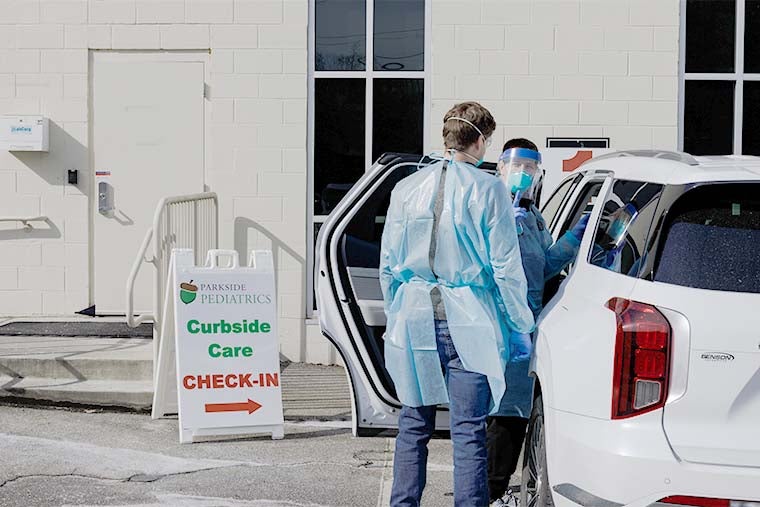
The virus spreads quickly through the air after an infected person coughs or sneezes – even if they are no longer in the room a couple of hours later.
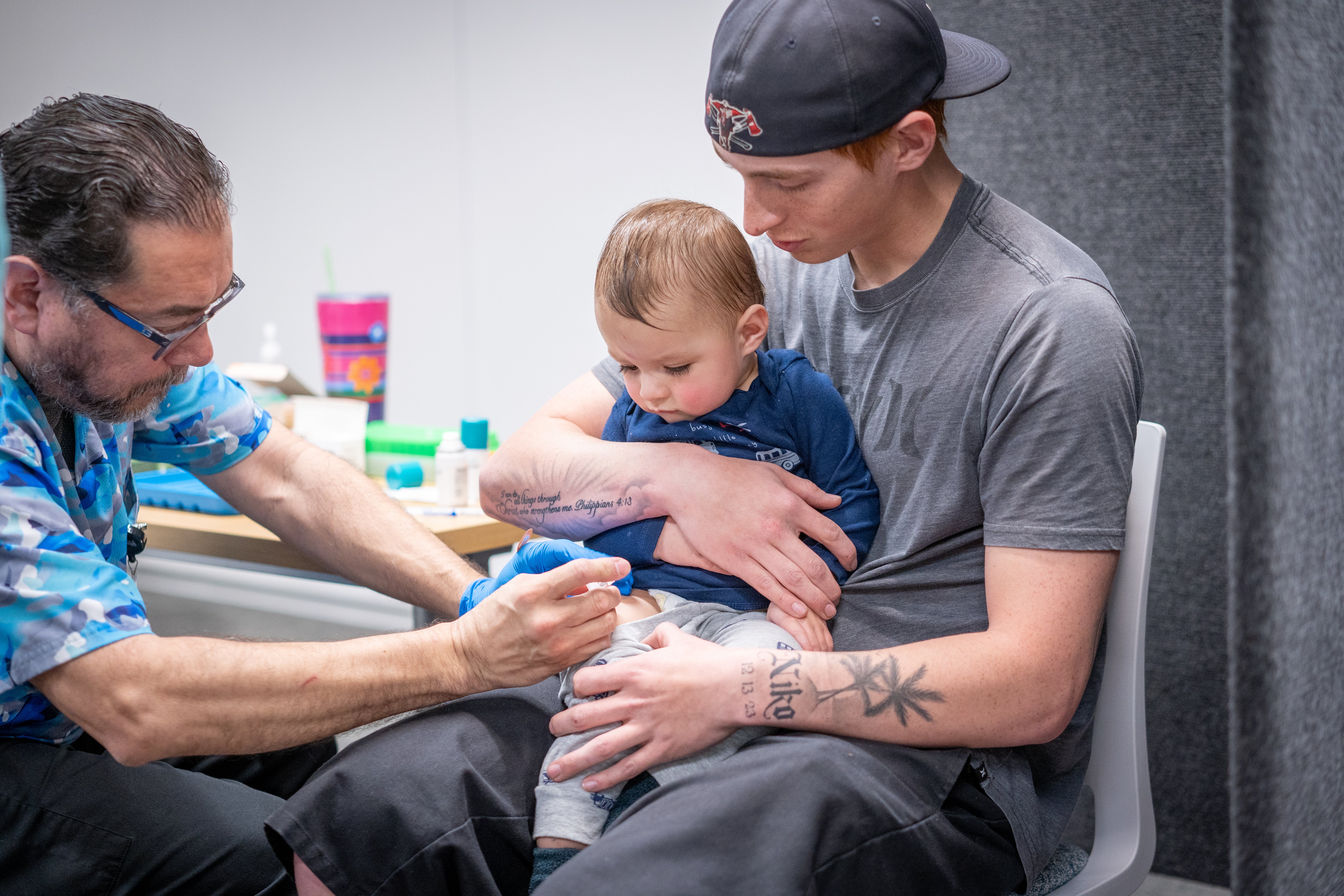
Fortunately, the answer to stopping the spread is the same as it was 35 years ago: vaccines.
A deadly cost
During the last major outbreak, Philadelphia saw 1,400 cases, with about a third in middle-class Christians, accounting for six deaths in under a year, according to Offit.
Religious exemptions to vaccines were legal in Pennsylvania, as remains the case across more than 40 states, and these communities “just didn’t believe in modern medicine,” he recalled.
“And you know, they believed in prayer. And if you prayed and your child died, then you hadn’t gotten close enough to God,” Offit said.
Several months into the 1991 outbreak, Philadelphia doctors were issued an order from a judge to vaccinate children, regardless of the parents’ wishes – something that hasn’t been done since. The decision stopped cases in their tracks.
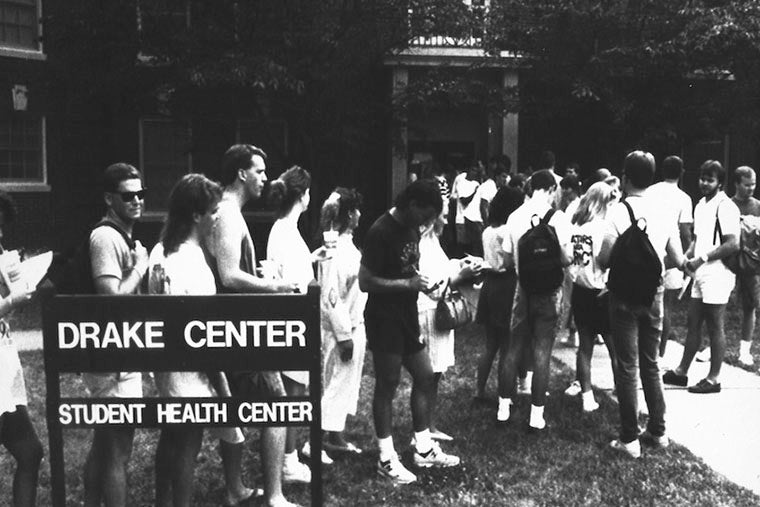
In states with other outbreaks, free vaccine clinics at universities played a role in slowing the spread of measles at a time when the jab wasn’t always without a cost. Georgia’s Auburn University, Illinois’s University of Chicago and Ohio’s Kent State University offered the shots free of charge.
Cost was the primary hurdle for children in the U.S. not getting vaccinated during the 1989 outbreak, according to the CDC. At the time shots cost over $30, a 1989 New York Times article reported.
Many low-income families also did not have access to primary care physicians who could give children vaccines, Redlener explained.
“[Back then it] was problems of access along with, ‘Oh, is it really serious, anyway?’” he said. More than half of children infected in that outbreak had not been vaccinated.
It took a national effort to pull America out of the crisis. New guidelines for a second dose of the vaccine were released in 1989, giving Americans an added layer of protection from the virus. Two doses of the vaccine are 97 percent effective against infection, whereas one dose is 93 percent effective.
In 1993, President Bill Clinton’s administration launched the federal Vaccines for Children initiative, providing vaccines for kids whose parents who may have not been able to afford them.
By 2000, 76 percent of children in the U.S. had the measles vaccine – which helped stop the continuous spread of the disease for more than a year and brought cases to a record low.
‘I think people don’t remember measles’
Now, more than 90 percent of children have had their measles shots. But coverage needed to limit spread among kindergarteners is lower than it should be and has been declining since before the pandemic.
So an illness that many doctors thought they had resigned to history has come roaring back and as a far murkier and complex problem to solve.
“Now we have a challenge that none of us have formally been trained for. What do we do with recalcitrant, anti-science ideologues who have bought into the conspiracies being sold by the likes of Bobby Kennedy Jr.?” Redlener asked.
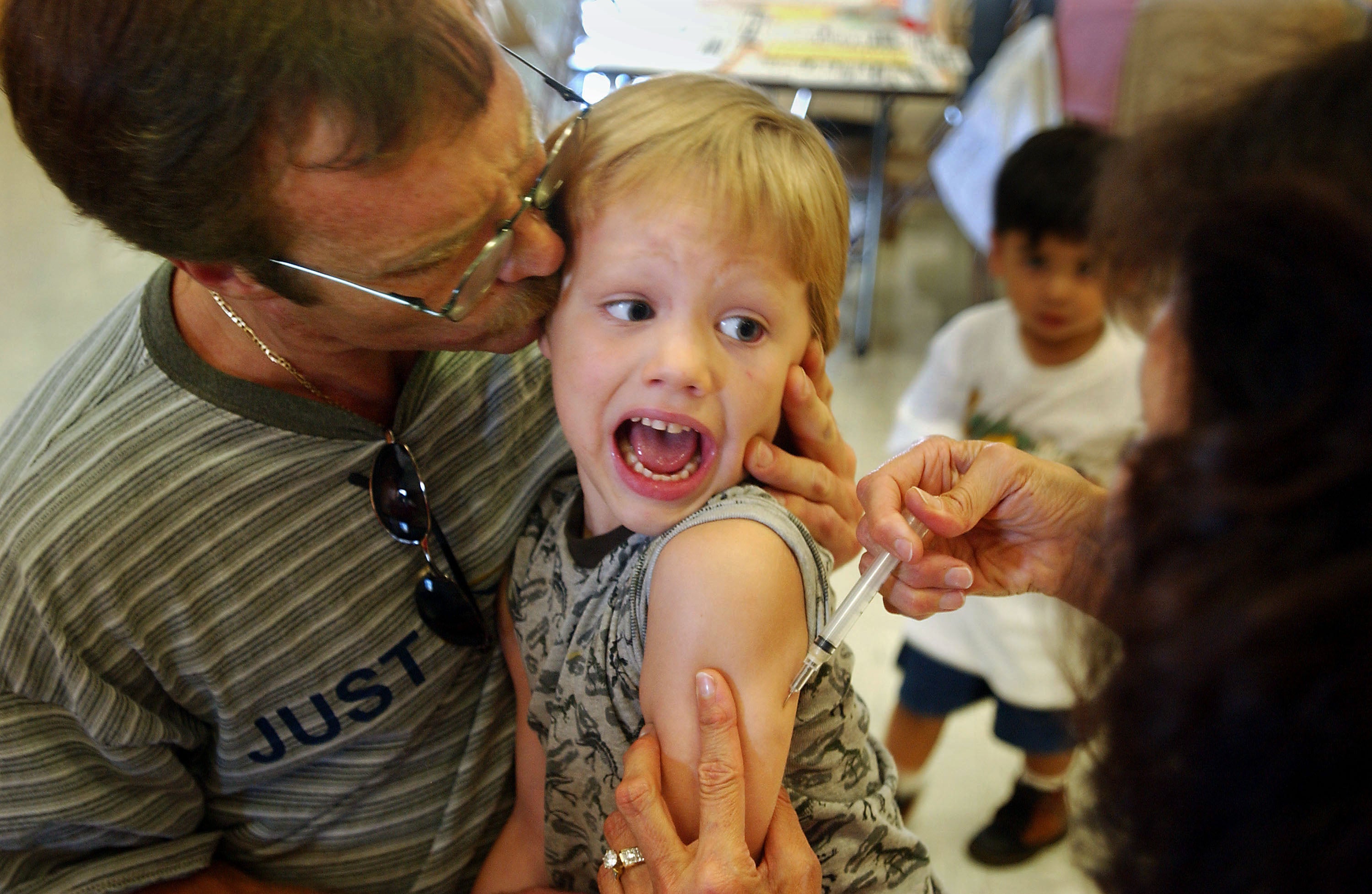
While Kennedy denied being anti-vaccine during his confirmation hearings to become health secretary, he’s also touted unconventional treatments for measles and previously falsely claimed that outbreaks were tied to the fact the vaccine didn’t offer lifelong protection. The measles vaccines offers lifelong protection, per the CDC.
“As long as we have a federal government that’s committed to promoting misinformation and conspiracy theories, it’s going to be very difficult to fix anything,” Redlener added.
In response to today’s rising cases, HHS says Kennedy has been clear that vaccination is the most effective way to prevent infection and that the department has focused its response on supporting affected communities and strengthening local and state response.
“Under Secretary Kennedy’s leadership, HHS has mounted an aggressive outbreak response, providing more than $8.5 million to states and local partners, expanding technical assistance, and surging CDC personnel and resources to support containment efforts where needed most,” Press Secretary Emily Hilliard told The Independent.
Offit believes the measles outbreaks will continue in an era of medical freedom, and as people believe they have the right to make their own health decisions and stop caring about the health of their neighbors.
Part of the problem is that people don’t remember past outbreaks, he said, and some younger doctors working at his hospital had never seen a measles case before.
“I think that not only did we eliminate the disease, we eliminated the memory of the disease. I think people don’t remember measles,” he said.