










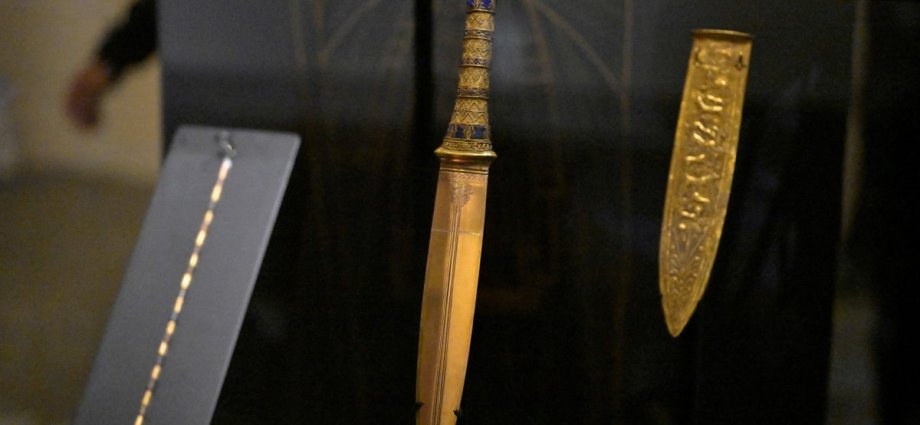
Elite ancient Egyptian women were skilled archers, and likely trained to wield daggers and maces too, according to a new study of long-lost mummies that “completely challenges the traditional view” that they lived idle lives.
It was widely thought that royal women in ancient Egypt led passive, pampered lives in harems, catering to the needs of the family.
But emerging research shows that they were active leaders in their own right, serving as diplomats and religious pillars. In fact, they likely lived “disciplined and rigorous lives” to master weapons, beginning in childhood or early adolescence, archaeologist Zeineb Hashesh told The Independent.
The new study of five mummies of Egyptian princesses born 4,000 years ago reveals that they received extensive weapons training and even sustained life-threatening injuries.
The royal mummies of Khenmet, Itaweret, Ita, Sathathormeryt, and Noub-Hotep were first found in the 1890s at Dahshur, a funerary complex of pyramids and shaft tombs, but lost for years before turning up in the Egyptian Museum during a curation project in 2020.
-Dagger-of-Princess-Ita-(B)-Arrows-of-Princess-Noub-Hotep.png)
The royal women were found buried with bows, arrows and daggers, but archaeologists were unsure whether the weapons were ceremonial or whether the princesses could actually use them.
The new study identified signs of muscle attachments on the bones of the princesses consistent with extensive archery training as well as signs of well-cared-for physical trauma.
“The skeletal remains show specific physiological adaptations that match the mechanical loads required to use the weapons found in their tombs,” said Dr Hashesh, author of the study published in Frontiers in Environmental Archaeology, said.
Researchers examined the skeletal remains of the royal women and noticed special signatures where tendons and ligaments connected to the bone. They found their bones had developed to sustain heavy muscle use. “When a person habitually performs high-intensity physical tasks, the bone at these sites becomes more robust or develops distinct ridges and textures to support the increased mechanical load from the muscles,” Dr Hashesh, an archaeologist from the University of Beni-Suef in Egypt, explained.
“In these princesses, these markings were significantly more developed than what would be expected for a sedentary individual,” she said.
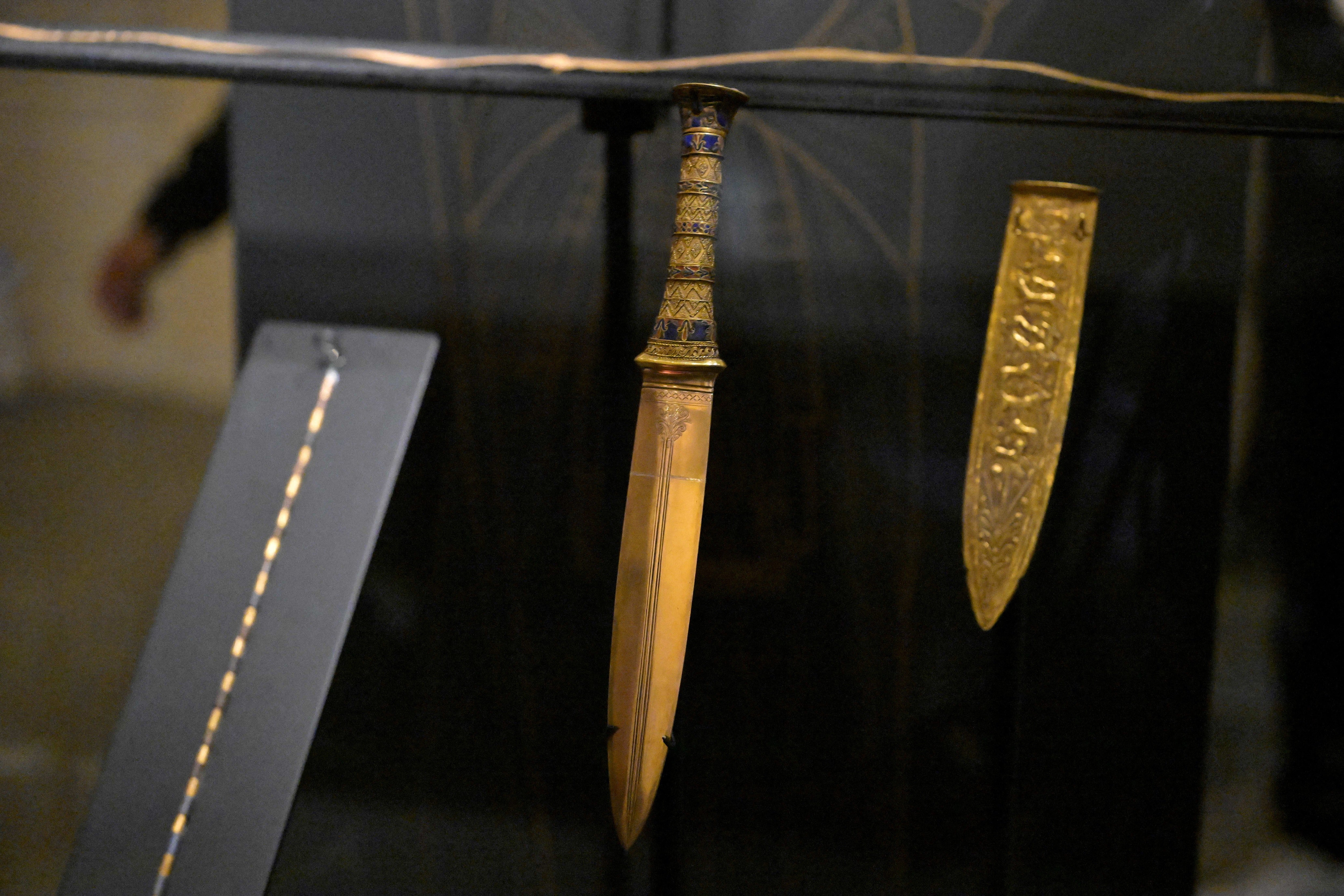
The princesses might have participated in elite hunting, served in ceremonial displays of power, and even acted “to protect the divine order of the court”.
Particularly striking is the length to which the princesses may have gone to master archery, as it is a difficult skill to hone.
“Mastering the tension of a heavy simple bow required not just upper-body strength, but also a specialised, stable grip that permanently remodelled their hand bones over years of practice,” Dr Hashesh said.
“These findings completely challenge the traditional view of elite Egyptian women leading passive, sedentary lives of idle luxury,” she added. “Our study proves that high social status could effectively “redefine” or expand expected gender roles.”
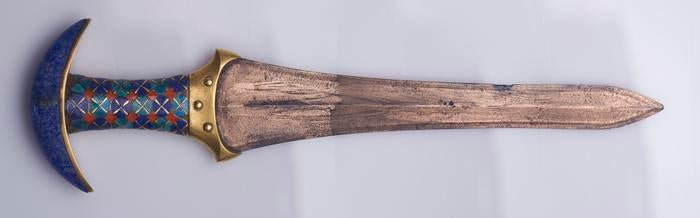
There are also indications the Egyptian royal women trained to wield daggers and maces. “Princess Ita was a young woman aged between 28 and 34 with strong upper-body muscle attachments, suggesting she habitually used weapons like maces or daggers,” Dr Hashesh said.
“Princess Khenmet was a woman in her late 30s or 40s who showed signs of thinning bones, but had very robust ligament attachments,” she added. “Princess Itaweret was a young woman aged 20 to 34 who survived broken ribs and foot fractures. Her skeleton shows she was a skilled archer.”
The study also suggests that wound care at the time was more advanced than previously thought.
“The standard of care these individuals received was arguably the best in the ancient world. Princess Itaweret, for instance, survived broken ribs and foot fractures,” Dr Hashesh said. “The fact that these injuries, and King Hor’s hand fracture, healed with no trace of infection or malalignment is direct skeletal proof of highly effective medical intervention. This care likely included fracture reduction, splinting, and wound management.”