










The UK “doesn’t have the luxury of waiting six months” for an action plan for maternity care, a senior midwife has warned, after publishing several damning enquiries that revealed dismissive attitudes to women which contributed to avoidable deaths.
Baroness Valerie Amos, who led the National Maternity and Neonatal Investigation, made a key request for a neonatal and maternity commissioner and a national taskforce, after exposing repeated failures in NHS care. The government is now due to publish a comprehensive National Action Plan in December to overhaul services.
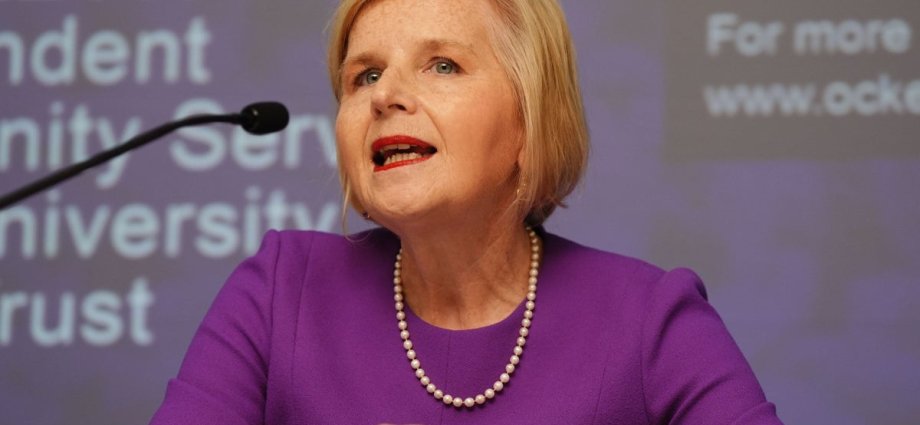
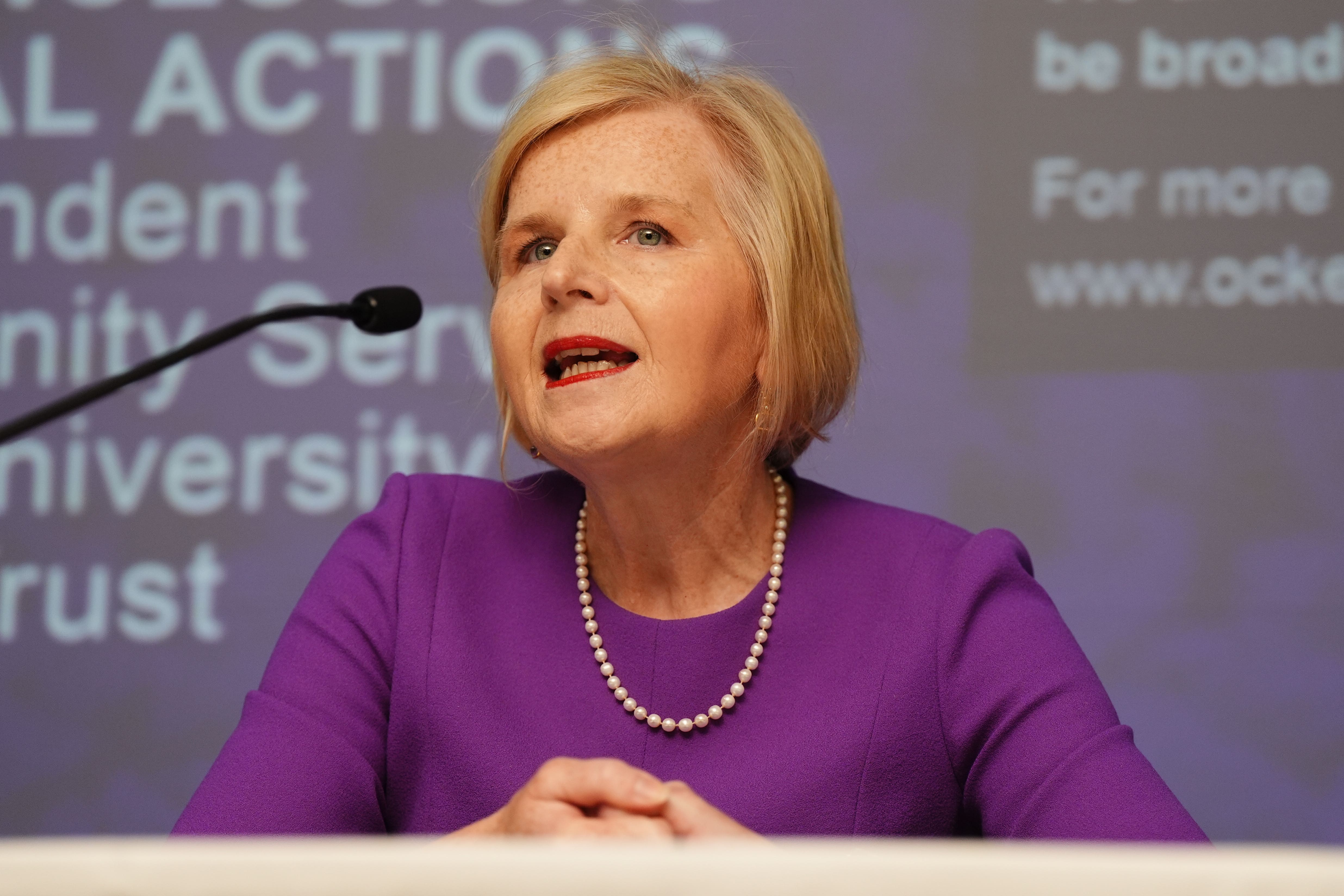
But Donna Ockenden, who led the Independent Review of maternity services at Nottingham University Hospital NHS Trust, has argued the government shouldn’t be waiting six months to act.
Speaking in a Health and Social Care Committee on Wednesday she said: “We don’t have the luxury of six months. How long does it take once the action plan is out to then get that implemented?
“If we were to look at how many midwives will hang up their uniforms in the next six months, how many doctors will decide they can’t do this anymore, and how much harm potentially could be caused, I would say we do not have six months to create an action plan.”
Between 2021-23, 254 women died in the UK due to direct and indirect causes of pregnancy and childbirth – a maternal morbidity rate of 12.7 per 100,000. Among black women the rate was 28.2 deaths per 100,000 maternities, according to the committee.
Women in the 20 per cent most deprived areas of the country are almost twice as likely to die during pregnancy and birth than women in the 20 per cent most affluent areas.
Lady Amos visited 12 trusts and spoke to women, families and hospital staff and found women were not being listened to, staffing levels of maternity and neonatal units did not match demand and there was racism and discrimination.
Speaking at the committee, Lady Amos stressed that while her recommendations for a maternity commissioner have already been accepted the future task force should not “pick and mix” recommendations and need to make sure there is better training on racism and discrimination, calling it “safety critical.”
Alex McIntyre, MP for Gloucester, reflected on some of the instances where women in his constituency have felt dismissed and not listened to, during the committee meeting.
He recalled one constituent told him she felt discomfort after having a spinal block, but in response a male consultant “tutted at her” and said “it’s not magic”. In another instance, a constituent told him after the death of her son, a member of staff told her “it’s just one of those things”.
Professor Julia Sanders, registered nurse and midwife who was also part of Lady Amos’ review, told the committee meeting: “It is not acceptable to not listen to the concerns of women and families, it will take big change, it will take time, but we have to set those standards, that’s not only through training but through strong leadership.”
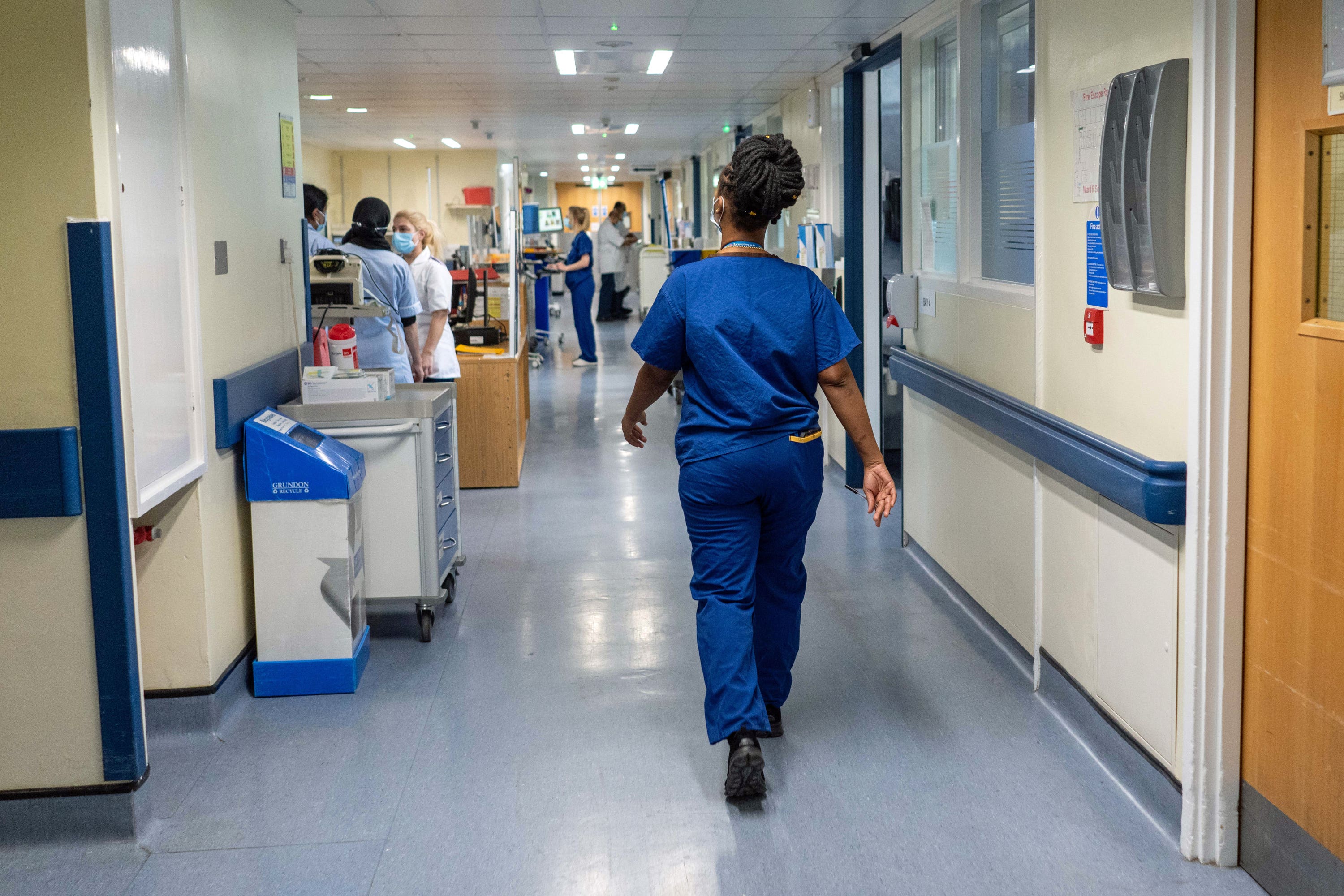
Both Lady Amos and Ms Ockendon found staffing retention and recruitment is putting huge pressures on maternity care. Lady Amos’ report notes that 67 per cent of midwives are experiencing burnout and 65 per cent of doctors are at risk of burnout.
“I talk to midwives and doctors on a daily basis, in a twelve-hour shift they haven’t even got time to go to the loo,” Ms Ockendon said, stressing a need for change.
“We have to develop that perinatal workforce strategy that tells us the number of obstetricians, the number of obstetric anaesthetists, the number of midwives, and until we do that, we don’t even understand what we need,” she added.