









A reopening of hostilities in the Middle East has seen the Strait of Hormuz shuttered once more, with the US and Iran exchanging missile strikes to leave hopes of an extended ceasefire in tatters.
One immediate knock-on effect has been a rise in the price of oil, with Brent Crude rising to $87.20 by noon on Tuesday, a one-month high, though still materially lower than the $110-120 range seen regularly through March and April in the first months of the war.
But stock markets have not, yet at least, reacted in a similarly strong way, with some investors pondering whether this will be a classic Donald Trump bait-and-switch scenario, where the US president has repeatedly said one thing and then done another in the days afterwards.
“Markets have been relatively slow to react to the renewed fighting between the US and Iran, with oil prices edging up but still way below those April highs,” says AJ Bell head of financial analysis Danni Hewson.
“So far investors have been anticipating that the current escalation is just a Trump tactic and that a deal will be done to end the conflict way ahead of the potentially painful mid-term elections in the US.”
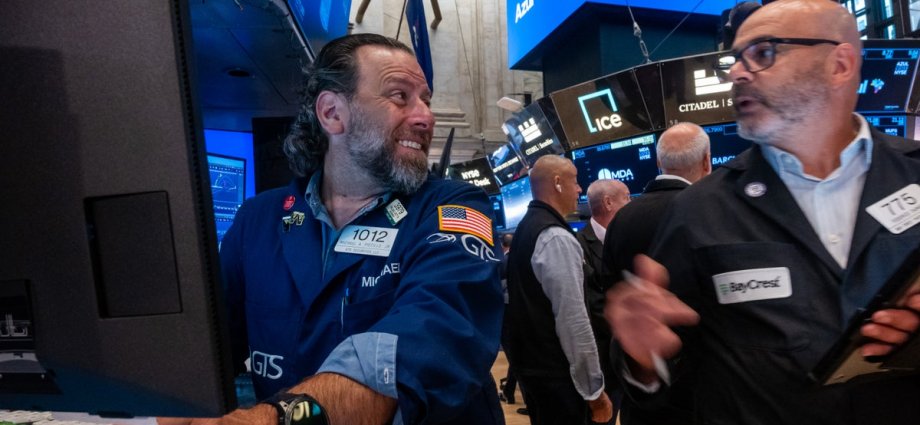
The FTSE 100 is down only 0.2 per cent on Tuesday and down 1.8 per cent across the past week, but remains at a notably higher level than March and April. The US’ S&P 500 is flat across the past week and up almost 8 per cent compared to mid-April, while the tech-focused Nasdaq index is projected to rise more than half a percent when markets open on Tuesday afternoon.
Repeat performance?
Fatigue of having to constantly monitor global events may be taking its toll on some investors, who have had to endure political instability in different parts of the world – including the UK – tariffs and wars over the past year or so alone.
Constantly reacting to those events by changing investment positions can have a negative impact on returns in some cases, leading to a “wait and see” approach being taken.

Get a free fractional share worth up to £100.
Capital at risk.
Terms and conditions apply.
ADVERTISEMENT
Get a free fractional share worth up to £100.
Capital at risk.
Terms and conditions apply.
ADVERTISEMENT
AJ Bell’s head of markets Dan Coatsworth pointed out the markets will adjust if fighting in the Middle East continues, while domestically in the UK it’s a focus on the energy giants which stops the big dips seen elsewhere.
“Investors feel like they’ve hit rewind on a movie they didn’t enjoy first time round. The ability to get shipping through the Strait of Hormuz is once again compromised thanks to the renewed tensions between Tehran and Washington,” he said.
“For now, investors seem to be retaining a measure of calm and hoping a path towards a resolution in the Middle East can still be found. The longer the current situation persists though, the more likely market sentiment takes a more serious hit.
“The UK market fared better than most other parts of Europe thanks to its heavy exposure to the energy sector through BP and Shell.
“Stocks with exposure to the travel sector along with retailers and housebuilders were among those to take a step back as investors weighed up the implications of potentially higher inflation and interest rates.”
Wider influences
There are also other external influences pushing stock markets in different directions at the same time, beyond the Middle East conflict.
Expectations of interest rate changes can affect individual stocks, with the US inflation report this week a likely indicator of movement there.
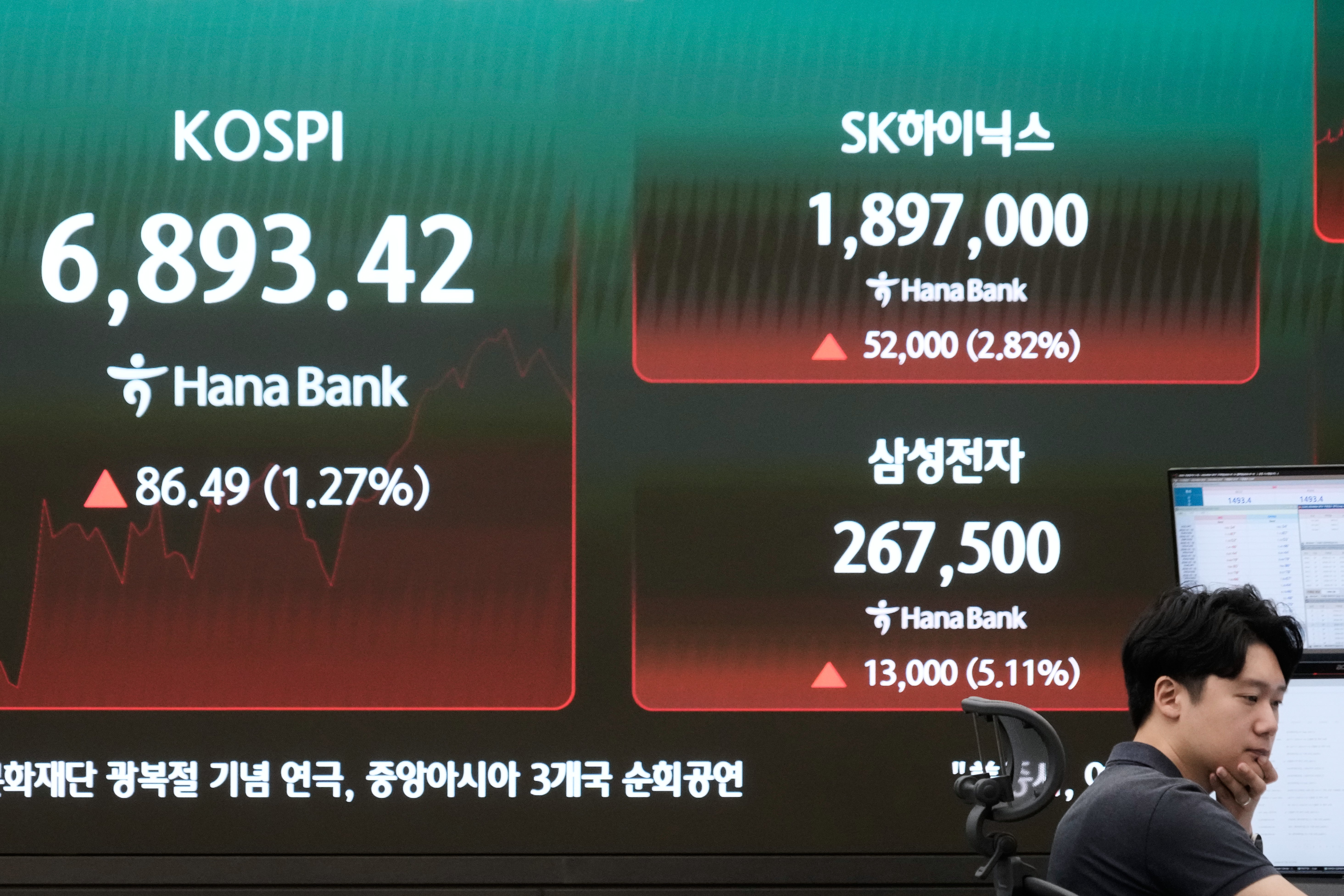
Sector-specific sentiment, such as investors feeling chip manufacturers are perhaps due a change in valuations, can also weigh on prices – and some of Asia’s more volatile markets are also whipsawing back and forth.
“Interestingly, the (Korean) Kospi and the (Japanese) Nikkei both posted gains overnight, and [chipmaker] SK Hynix stabilised and rose by 3 per cent, after suffering its steepest ever sell off on Monday,” said Kathleen Brooks, research director at XTB.
“This is bolstering the chip trade across the Atlantic, and Nasdaq futures are pointing to a higher open later today. This suggests that the Nasdaq could break its short-term negative correlation with the oil price, and rise alongside energy prices if this continues.”
In short, there are regularly multiple factors at play across broader stock markets which can all send prices in different directions regardless of the headline news.
But, should matters escalate once more in the Middle East, bigger fears of inflation gains, higher energy costs worldwide and the threat of trade being disrupted will likely see stock markets head southward once more – though how much and for how long, is anybody’s guess.