










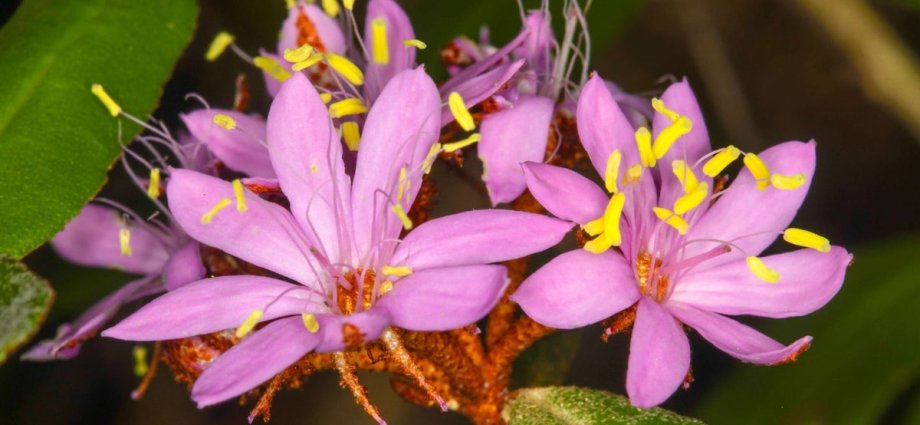
A plant hiding in plain sight in northeastern New South Wales in Australia for over a century has now been identified as a new species upon closer inspection.
The bright pink flowering shrub has until now been thought to belong to the species Phebalium nottii.
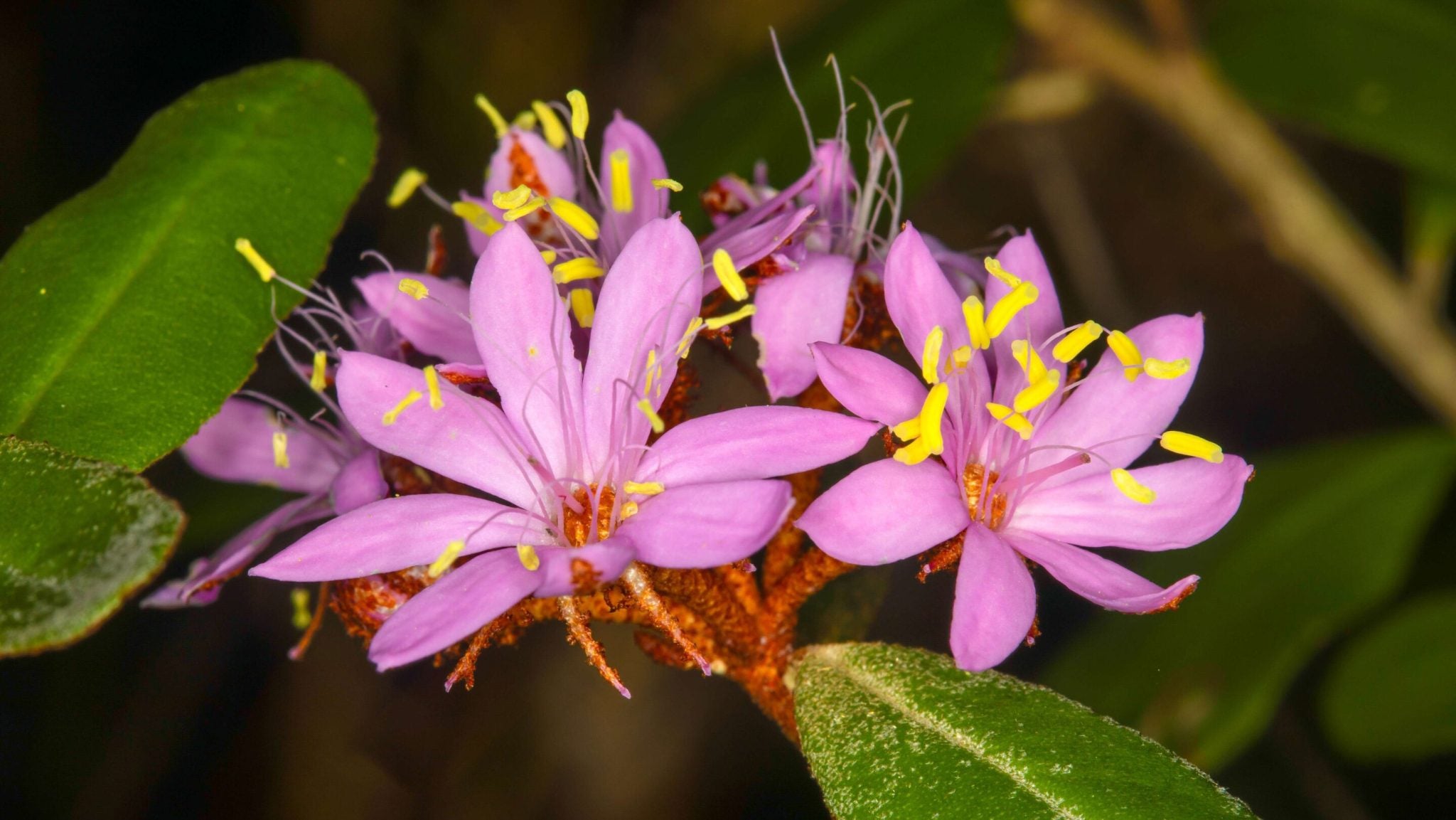
But now botanists from the University of New England (UNE) have formally classified it as Phebalium banyabba, a new species found only in a limited part of northeastern NSW.
It has been named in honour of the Bandjalang First Nations people’s name for the region where the plant is found.
During a recent trail, researchers collected a plant north of Grafton, NSW, that was believed to be Phebalium nottii.
While at first, it seemed like a familiar species, botanists at UNE found that the specimen did not quite fit known descriptions.
The findings matter since plant identification is the cornerstone of conservation, and if a rare species is mistaken for a more familiar one, its population size, threats, and legal protection can all be misunderstood.
“Phebalium banyabba forms a lovely shrub less than two meters tall and is covered with stunning pink and rusty flowers in late winter through spring,” said botanist Jeremy Bruhl from UNE, who described the new species.
Scientists assessed the shrub’s physical traits and DNA to confirm it was a distinct species.
“The specimen featured densely hairy calyces with distinctive dendroidal hairs, larger calyx lobes, and larger seeds compared to related species,” said Ian Telford, another author of the study published in the journal Telopea.
Researchers also probed how many individuals of the plant currently exist, and where they survive.
They also analysed the pressures facing the plant in the wild.
“The species has only been found in two locations, with fewer than 1,000 individual plants found in the wild,” said Paul Sheringham, a rare plant expert from New South Wales.
“We found 466 plants in one location and 502 mature plants in a second. These low numbers are likely due to threats such as the species’ restricted distribution, too frequent fire, drought, cattle grazing, and the species’ dependence on seed regeneration rather than resprouting after fire,” Dr Sheringham said.
Since the plant seems to rely on seed regeneration instead of regrowing from its base after fire, scientists caution that if bushfires occur too often in Australia, these plants may not have enough time to mature and replace burned ones.