





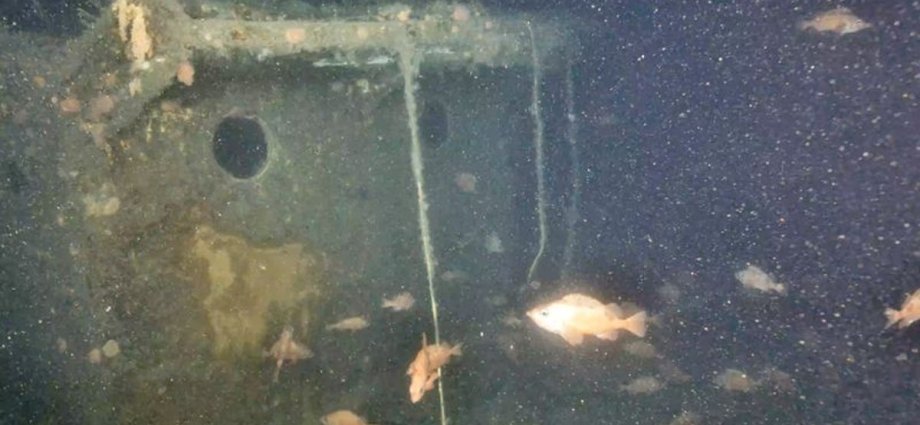
The first close-up images of the wrecked last ship of famed Antarctic explorer Sir Ernest Shackleton have finally been obtained following a ‘once-in-a-generation’ expedition in the Labrador Sea.
An expedition led by the Royal Canadian Geographical Society in partnership with Woods Hole Oceanographic Institution is underway to map the wrecks and debris around the last ships of legendary polar explorers Sir Ernest Shackleton and Captain Robert Falcon Scott.
Researchers hope to thoroughly survey the wrecks and produce digital twins of the ships.
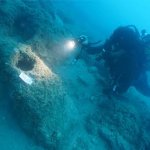
They obtained images of the wreck of Quest, Shackleton’s last ship, using Alvin, the first submersible to visit the wreck of the Titanic 40 years ago.
Expedition leader John Geiger, who was an observer on Alvin’s first dive to the wreck site, described seeing Shackleton’s final ship as a “moving experience”.
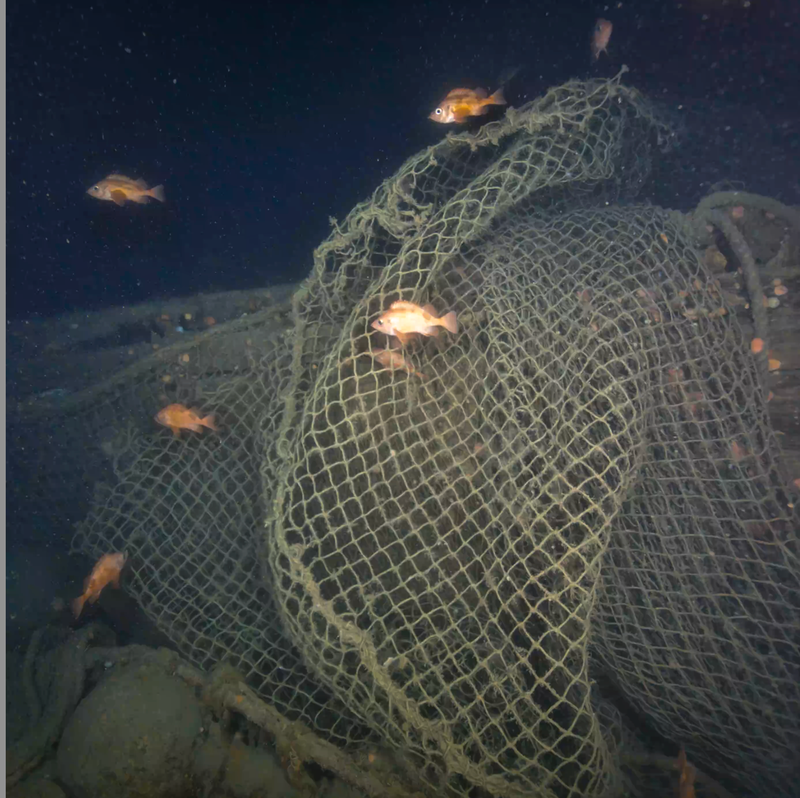
The wreck was found populated with pink corals and several species of fish, including cod, red fish, and wolf fish, researchers said.
Parts of Quest, including the bow, the deck, and some portholes, were visible, while the main mast was down, they said.
“To see Shackleton’s ship, and to think that Shackleton was standing on that deck a century ago. At first, there was a lot of darkness, but suddenly the bow emerges as you are going towards it. It’s incredible,” Mr Geiger said.
The ship was first discovered in 2024, but at that time only side-scan sonar images were obtained.
Now, more advanced imaging technology and underwater vehicles could help researchers learn more about what happened to the ship and its current state.
“There is a lot of damage to the ship. The nets are a sad story, limiting our ability to look at the wreck. I think we have to take responsibility for what we are doing to our oceans; that’s a huge issue,” Mr Geiger said.
Shackleton was one of the world’s greatest polar explorers and died on the Quest in 1922 at the age of 47 during his last expedition.
His story is one of extraordinary survival. He saved his entire crew after the loss of his ship Endurance after two years frozen in the ice of the Weddell Sea.
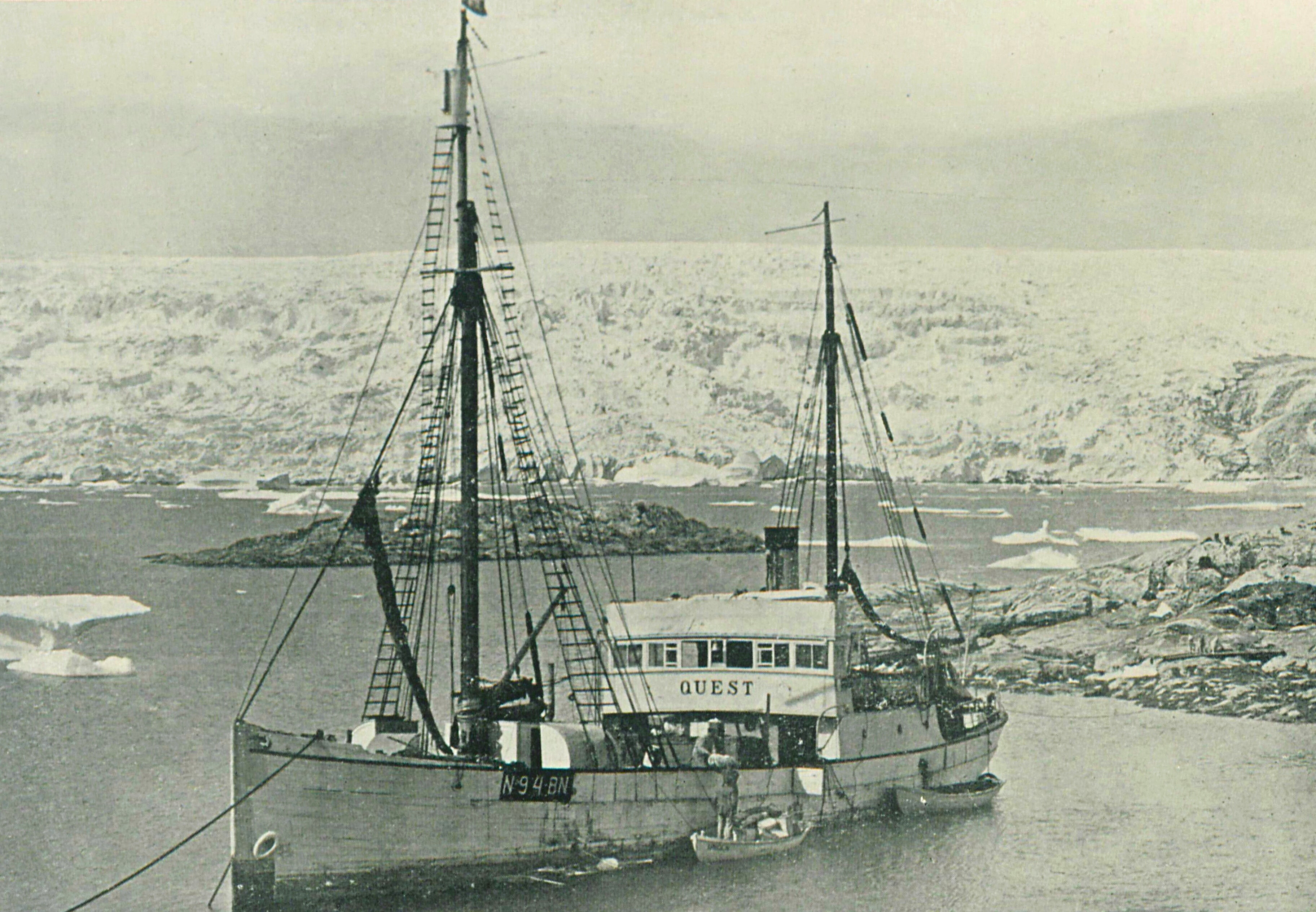
Shackleton’s Quest was sold to a Norwegian family and spent the next 40 years sealing in Arctic waters till it was crushed by ice floes and sank on 5 May 1962.
“Exploring any wreck with a human-occupied submersible is a complicated task. Our success today and the coming days is a direct result of having a group of deep-submergence professionals with extensive experience operating in extremely complicated surroundings,” Alvin submersible pilot Bruce Strickrott said.
The team is slated to sail northeast later this week towards Greenland to survey a second iconic shipwreck Terra Nova, the last ship of Shackleton’s rival Robert Falcon Scott.
“The bravery and leadership demonstrated by these two polar heroes have inspired generations of explorers over the years, and our hope is that by documenting their last ships, we too can inspire the next generation,” said shipwreck expert David Mearns, who called the ongoing expedition a “once-in-a-generation” opportunity.