











New research indicates that Wegovy pills are as effective as their injectable counterparts for weight loss, though they may not deliver the same heart health benefits.
A comprehensive review of existing data on weight-loss medications concluded that while individuals achieve weight reduction, most obesity drugs, including popular options like Wegovy and Mounjaro, do not significantly improve overall quality of life.
Published in the British Medical Journal (BMJ), the study revealed that few drugs demonstrate cardiovascular advantages within a year.
Moreover, greater weight loss was linked to an increased likelihood of side effects, such as stomach problems and the loss of lean muscle mass.
The analysis scrutinised 19 currently available and emerging obesity treatments, tracking participants for periods ranging from 12 to 172 weeks. In total, 262 studies involving 99,791 individuals were examined.
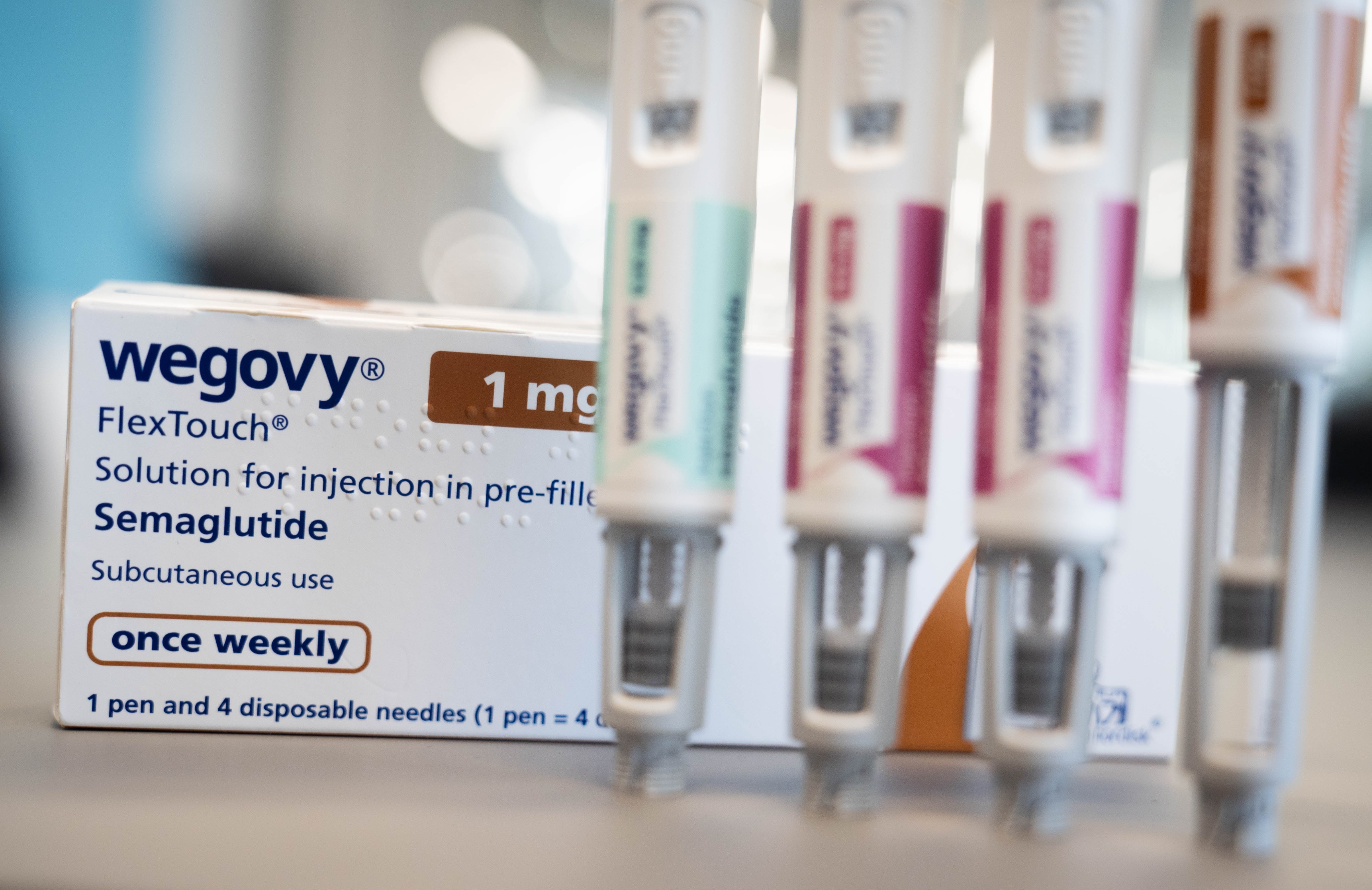
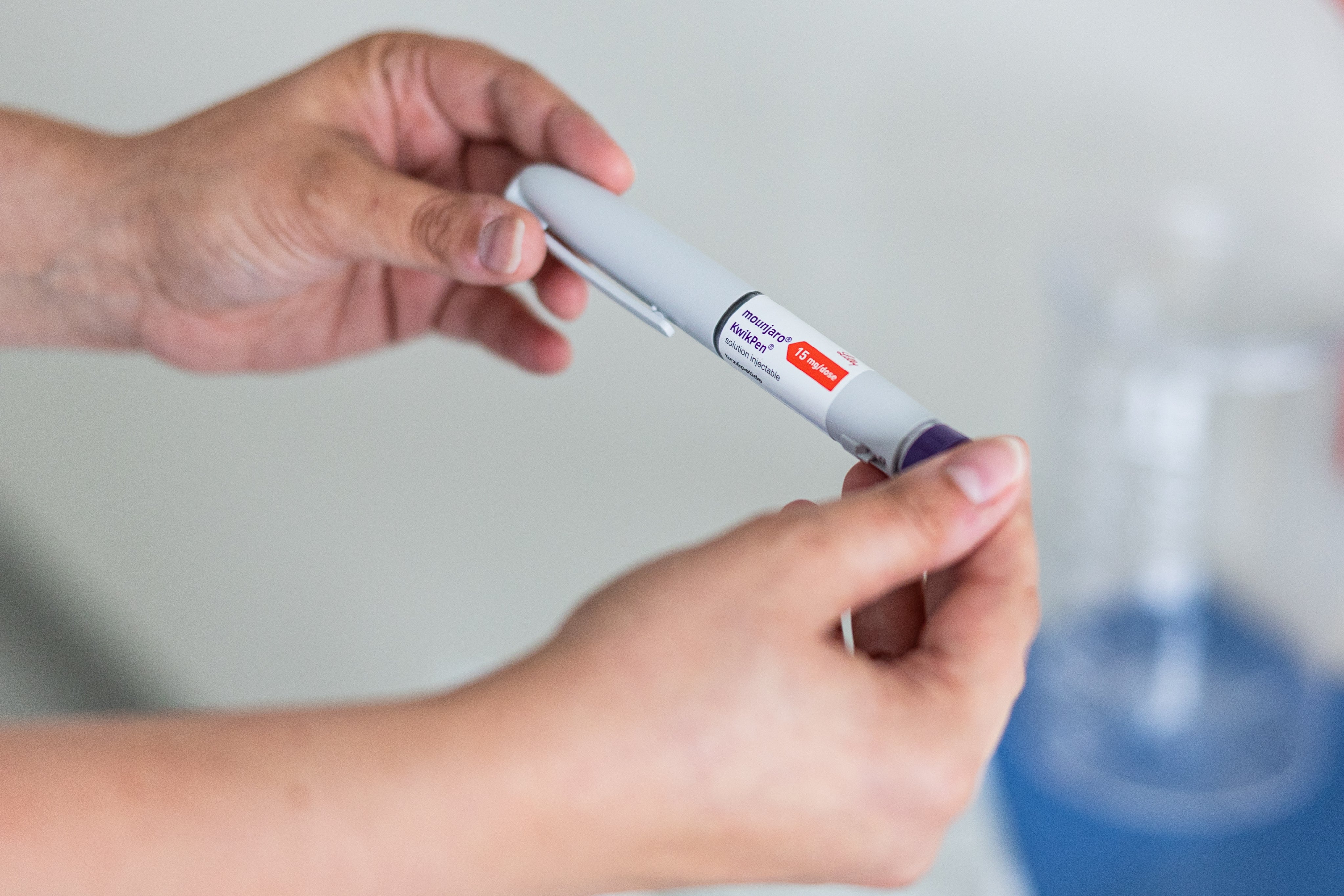
Compared to lifestyle changes alone, Mounjaro (tirzepatide) and the new jab CagriSema showed the most substantial weight reduction after one year, at 14.9 and 14.8 per cent respectively.
This was followed by Wegovy pills (oral semaglutide, 10.9 per cent), orforglipron pills (9.9 per cent), injectable Wegovy (semaglutide, 9.8 per cent), and phentermine-topiramate pills (8.1 per cent).
Emerging drugs – including retatrutide, ecnoglutide and mazdutide – showed large effects on weight loss but were supported by low or very low certainty evidence, researchers said.
Mounjaro led to the highest fat lost (by 25.7 per cent) but also the biggest loss of lean body mass such as muscle (8.3 per cent).
Experts also found that Wegovy injections were the only drug linked to a lower risk of death from any cause (19 per cent), heart attack (28 per cent) and heart failure (57 per cent).
Mounjaro reduced the heart failure risk by 51 per cent.
No drug convincingly reduced kidney failure or showed clinically-important improvements in quality of life, researchers, including from China, Norway and Canada, said.
The authors added that most clinical trials had relatively short follow-up, limiting conclusions about long-term safety, quality of life and effects on heart and kidney health.
They said their review offered an up-to-date look at the drugs, adding: “Treatment decisions for obesity should be individualised, balancing expected benefits, harms, treatment burden, costs, availability and patient preferences.”
In an accompanying editorial, medics from the Cleveland Clinic in Ohio, US, said the “growing number of new obesity drugs is welcome news for clinicians and over a billion people worldwide living with obesity or overweight”.
They said the new study “represents an important step in providing comparative information to inform patient-clinician discussions about obesity drugs in this rapidly evolving landscape of treatment options”.