










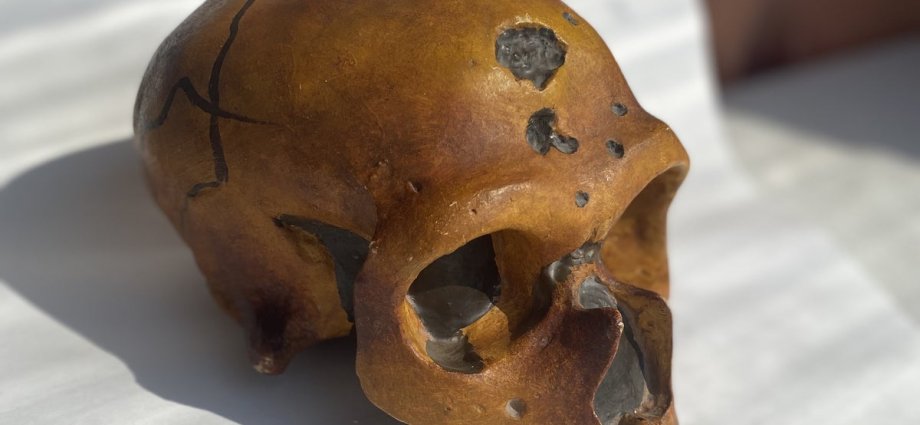
Groundbreaking archaeological research from southern Turkey suggests a surprising new narrative: modern humans and Neanderthals may have lived as friends, sharing elements of their culture.
Evidence unearthed at Üçağızlı II Cave indicates that these two closely related human species coexisted between 50,000 and 60,000 years ago, adopting remarkably similar technologies, survival strategies, and even symbolic traditions between 50,000 and 60,000 years ago.
The revelations could profoundly reshape our understanding of how Homo sapiens and Homo neanderthalensis interacted during a pivotal period in human evolution.
While modern humans undertook their significant “Out of Africa” migration into Eurasia, fossil evidence from the Levant – a crucial geographical corridor connecting the two continents – has historically remained relatively scarce.
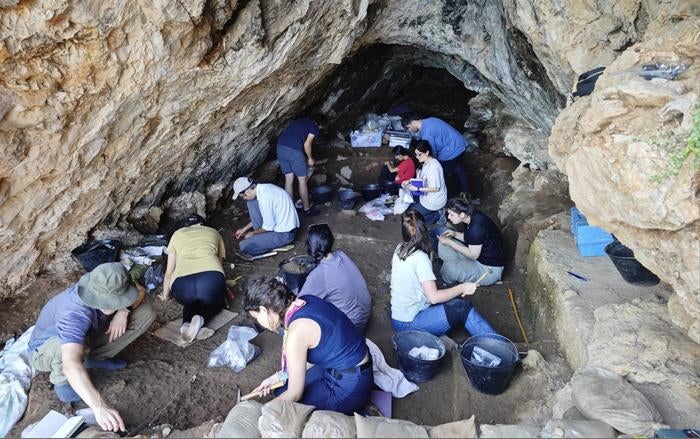
To shed further light on this era, an international team of researchers from Turkey, France, and Japan, including scientists from Kyoto University, embarked on extensive excavations at Üçağızlı II Cave.
Over a painstaking five-year period, archaeologists meticulously excavated the site millimetre by millimetre.
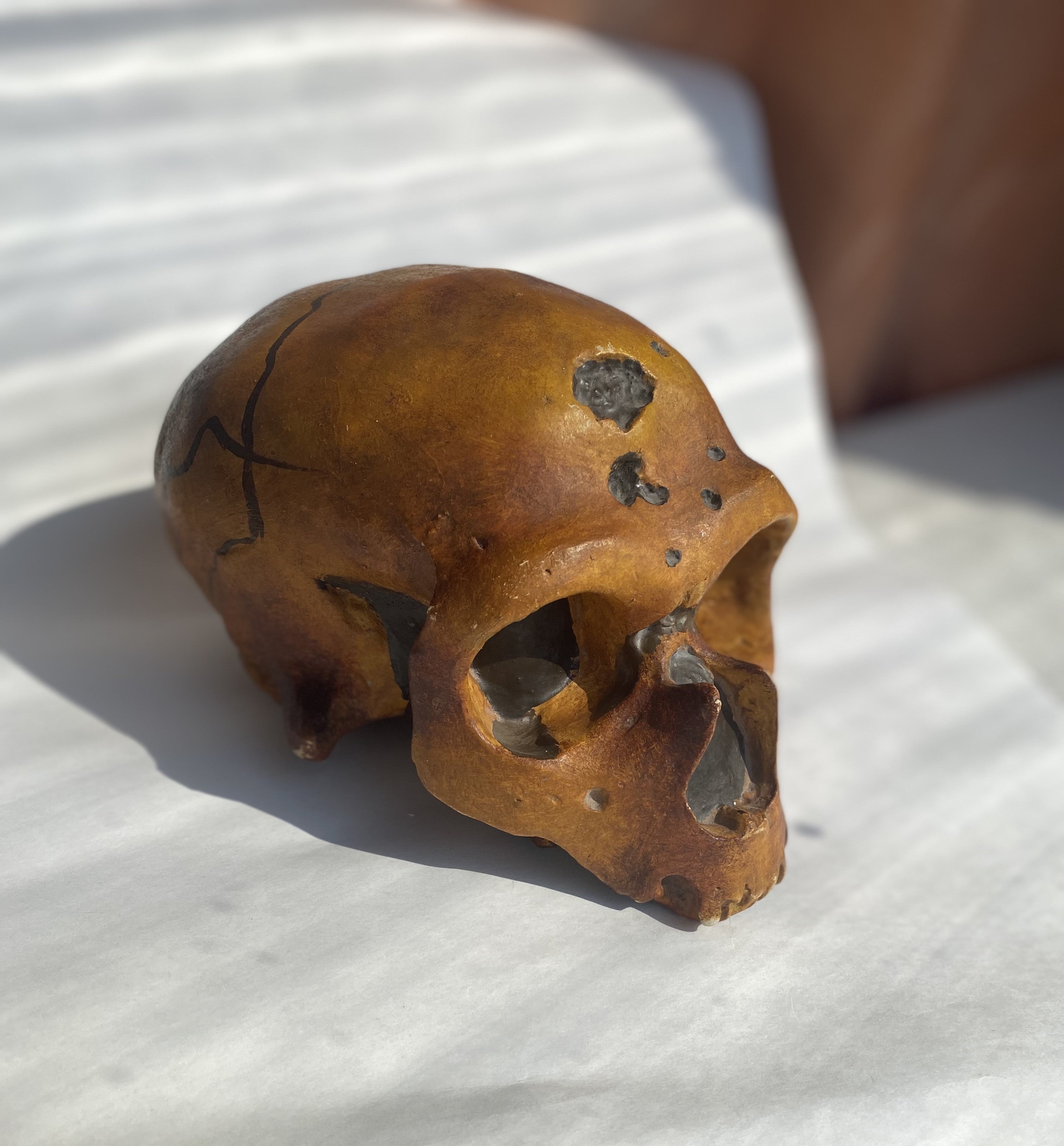
Their efforts uncovered compelling proof that both Neanderthals and modern humans not only occupied the cave but also used identical stone tool technologies and employed the same hunting methods.
Crucially, researchers also discovered clear indications that the two groups engaged in shared behaviours extending well beyond the necessities of daily survival, hinting at a deeper cultural exchange.
Both Neanderthals and modern humans appear to have deliberately collected the same type of marine seashell, despite it having little or no value as a food source.
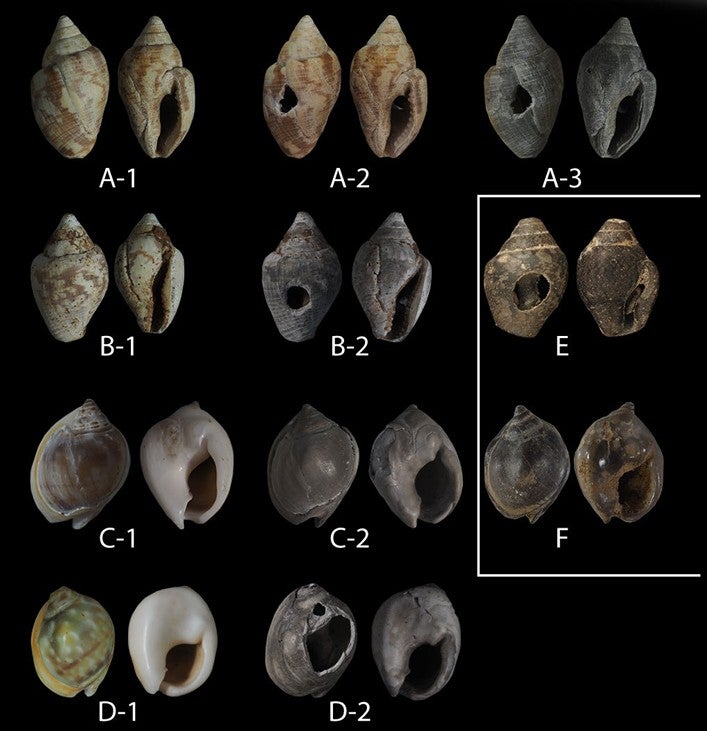
Such shells had previously been regarded as being associated only with modern humans.
The researchers say the shared preference for these non-utilitarian objects may point to the exchange of symbolic or cultural practices between the two species.
“Our findings indicate a deep level of cultural interaction,” says a corresponding author Naoki Morimoto of KyotoU.
“These two distinct but closely related human groups were not just adapting to the same environment: they were probably sharing symbolic preferences.”
The modern human remains recovered from the cave have been dated to between 50,000 and 60,000 years ago, placing them within the period when genetic evidence suggests modern humans were dispersing from Africa into Eurasia.
According to the researchers, the individuals may represent close relatives of the population that gave rise to all present-day people living outside Africa.
Alternatively, they could belong to a previously unknown population descended from an earlier migration into the Levant.
The team says the discoveries help fill a significant gap in the archaeological record, offering new insights into how modern humans and Neanderthals may have lived, interacted and exchanged ideas during a prolonged period of coexistence spanning more than 20,000 years.