







The algae responsible for the catastrophic die-off of hundreds of thousands of marine animals in southern Australia last year is the most toxic species of its kind, a new study reveals.
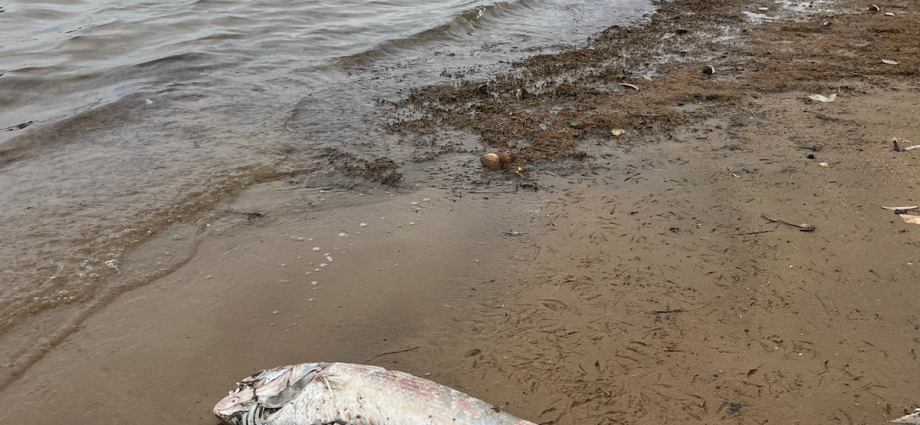
A strange foam washed up on South Australia’s beaches in March last year, coinciding with thousands of fish dying and surfers getting ill, with many developing symptoms like coughing, sore throat and blurred vision.
The foam covered vast stretches of the Waitpinga Beach, about 15km southwest of Victor Harbour, killing scores of seahorses, fish and octopuses.
The algal bloom, which lasted several months, took an immense environmental, economic and public health toll on South Australia.
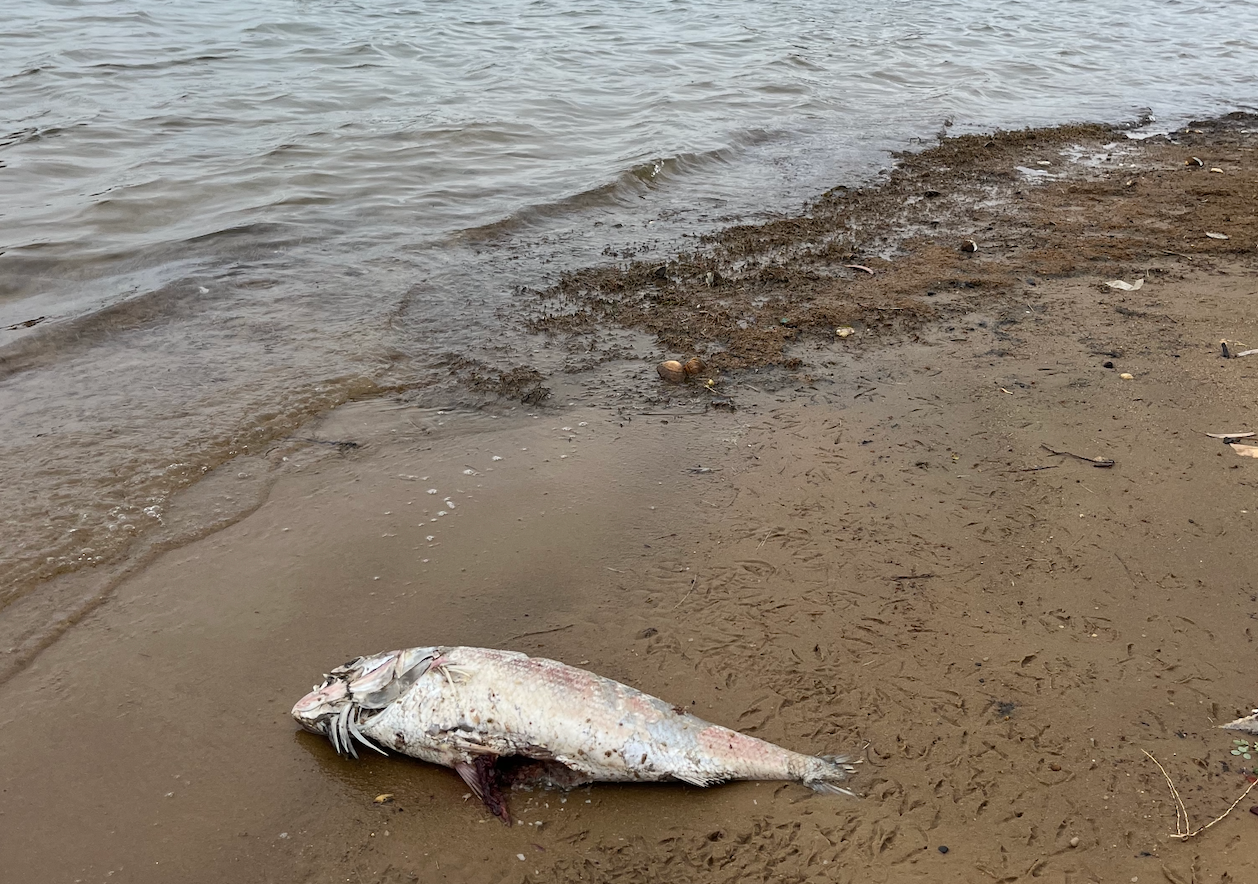
Researchers later found the die-off was caused by neurotoxins from the microalgae Karenia cristata.
The new study revealed that the algae had stronger toxic effects than any other harmful algal bloom studied thus far.
The findings help explain the scale of last year’s mass mortality of invertebrates, fish, mammals, and birds, according to the study published in the journal Nature Ecology & Evolution.
Researchers conducted experiments on laboratory-grown strains of Karenia cristata to more thoroughly assess its toxicity.
They also compared the results with the toxin analysis of water samples from the algal bloom.
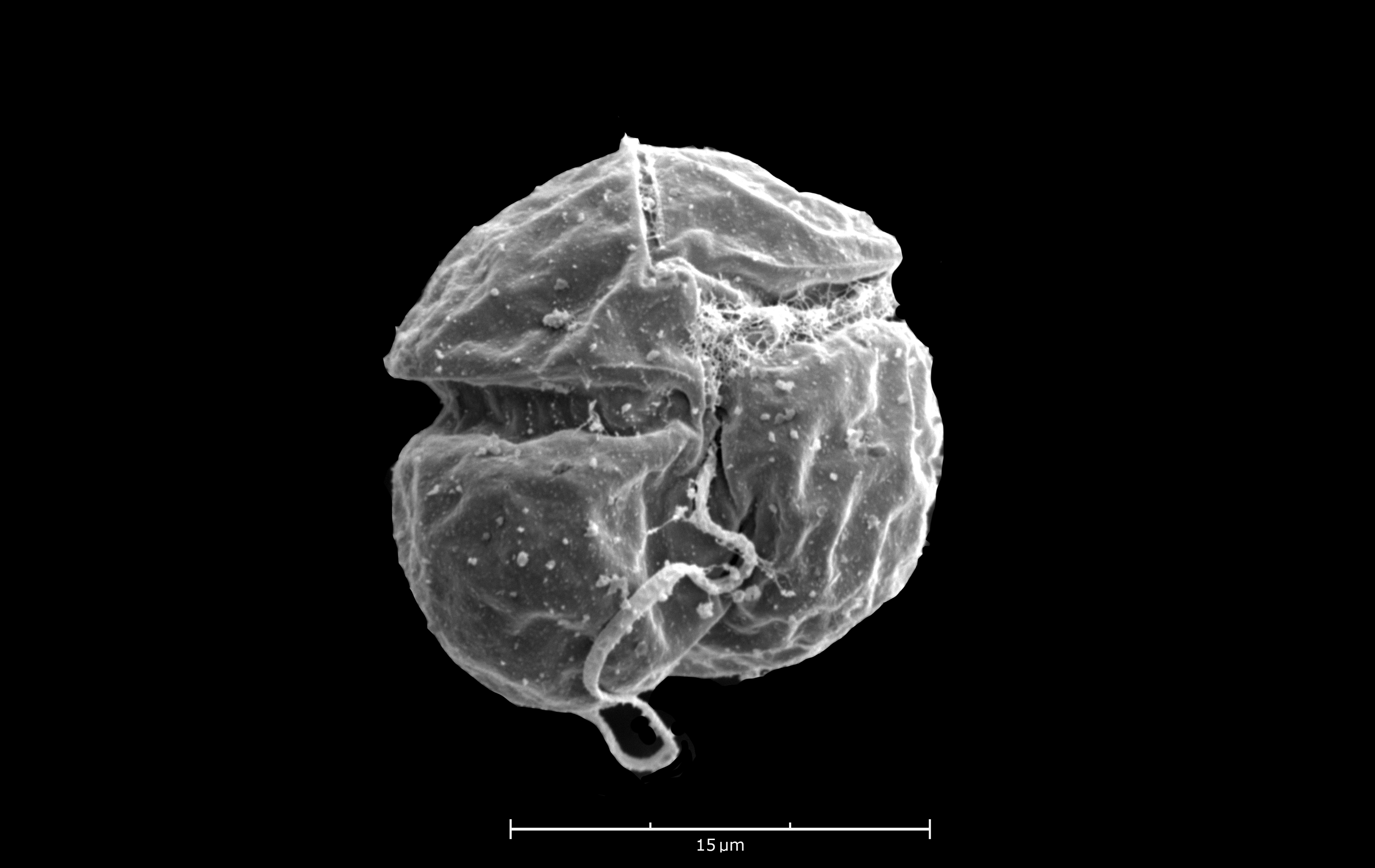
“Karenia cristata in the laboratory was highly toxic in very low cell concentrations,” said Shauna Murray, lead author of the study from the University of Technology Sydney.
“Our results are in line with periods of mass marine animal mortalities in 2025 and 2026 and the actual environmental concentrations of Karenia cristata there at the time. We found that Karenia cristata is an order of magnitude more toxic than the next most toxic microalgae that has been studied to date.”
Researchers warned that the findings carried “international consequences”.
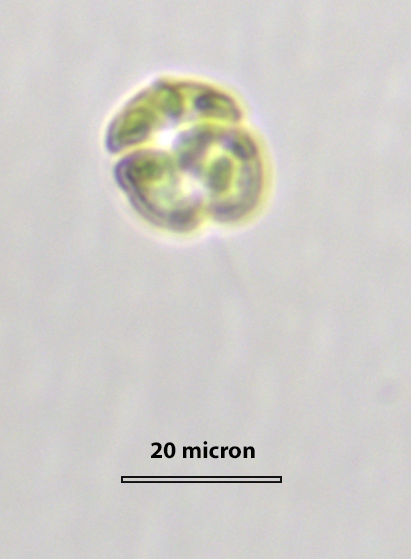
They said that other cold water brevetoxin-producing Karenia could potentially bloom anywhere with similar coastal water conditions. “Before now, the warm water Karenia brevis, which only occurs in the southeastern US and also produces brevetoxins, had been considered the most devastating marine harmful algal bloom species in terms of its environmental, economic and social impacts,” Dr Murray said.
“The South Australian harmful algal bloom still hasn’t completely disappeared about 15 months after it started,” Dr Murray added.
“We now need to fully investigate the factors that cause Karenia to grow and understand its mechanisms of toxicity.”