







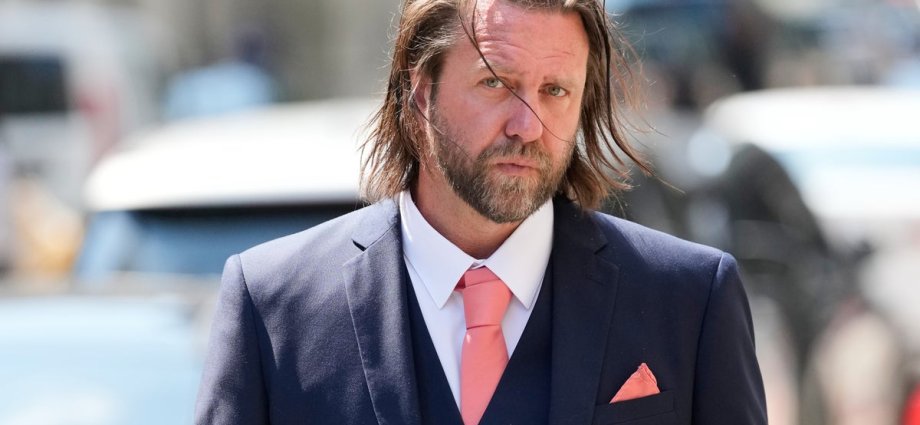
Carl Rinsch has been sentenced to more than two years in prison for scamming Netflix out of $11m (£8.2m) despite Keanu Reeves writing a letter asking a judge for leniency.
Rinsch, 48, was found guilty of wire fraud and money laundering in December 2025 after appearing to squander millions of dollars given to him by Netflix in 2018 to make a 12-episode series titled White Horse, later renamed Conquest.
Matrix actor Reeves, who worked with Rinsch on fantasy flop 47 Ronin (2013), wrote a letter to the judge last month saying that, while he “did not know the details” of the case, he hoped that his sentence “might be tempered with measures of leniency and mercy as well as justice”.
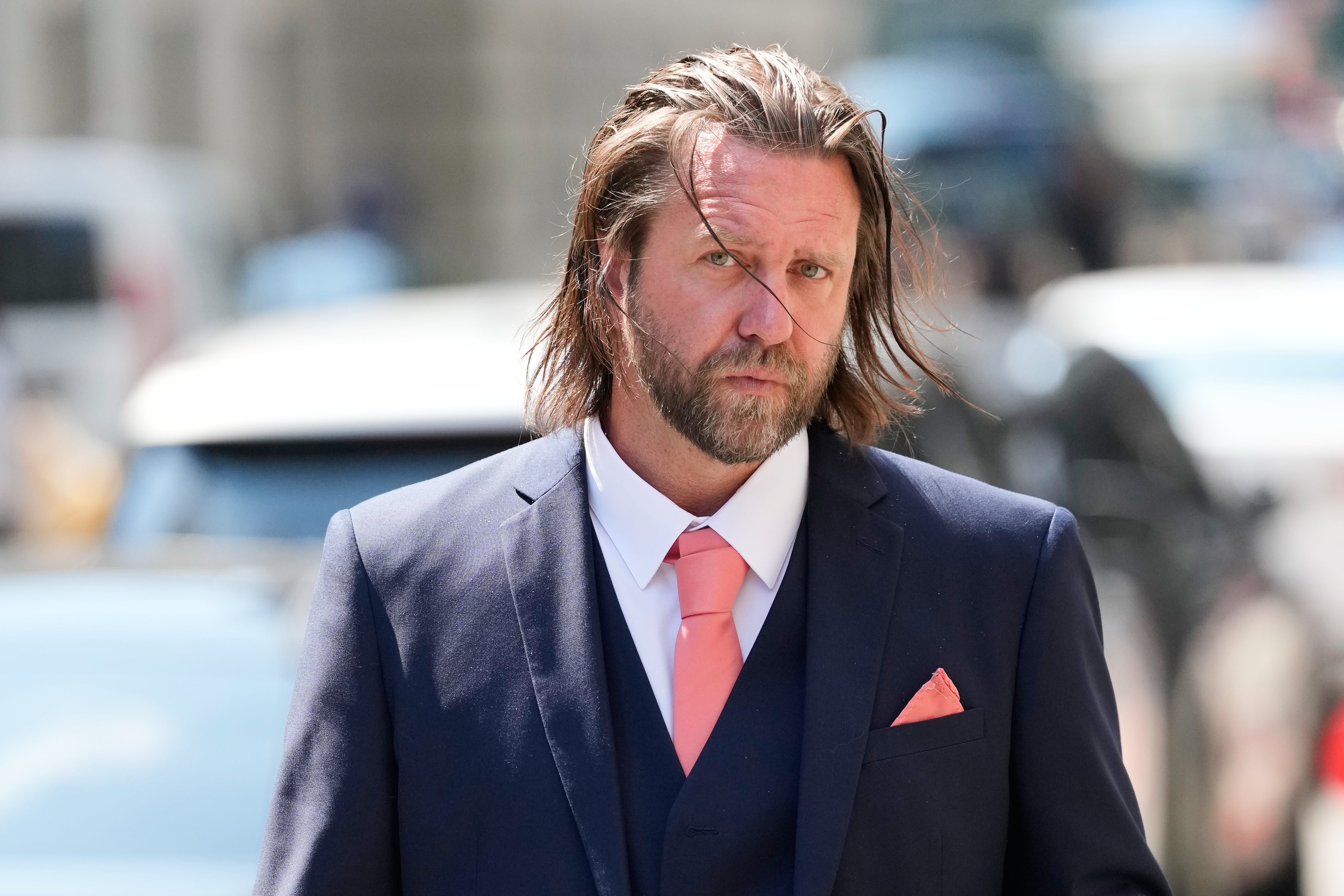
However, on Monday (29 June), Rinsch discovered he would be jailed for two and a half years in September. The actor told the court that his actions were fuelled by mental health struggles.
“This process has forced me to confront things about my health, my judgment and my life,” Rinsch said. He apologised for his behaviour, acknowledged that “real harm was caused,” and explained: “I failed to recognize the danger of the state I was in.”
US District Judge Jed S Rakoff said Rinsch’s mental health difficulties “may explain some of the excesses”, but don’t “detract from the court’s conclusion that he was determined to lie to get substantial monies from Netflix, lie to cover it up”.
As Rakoff announced the prison term, Rinsch wrote on a piece of paper on a table in front of him. One of his lawyers, Benjamin Zeman, patted the director’s back.
After court, Rinsch hugged several people who had come to support him. He and his lawyers declined to comment as they left, except that attorney Daniel McGuinness said they looked forward to appealing the case. Netflix has declined to comment.
In March 2020, Netflix sent Rinsch $11m (£8.2m), according to court documents. But he allegedly quickly transferred those funds to personal accounts.

Watch Apple TV+ free for 7 day
New subscribers only. £9.99/mo. after free trial. Plan auto-renews until cancelled.
ADVERTISEMENT. If you sign up to this service we will earn commission. This revenue helps to fund journalism across The Independent.
Watch Apple TV+ free for 7 day
New subscribers only. £9.99/mo. after free trial. Plan auto-renews until cancelled.
ADVERTISEMENT. If you sign up to this service we will earn commission. This revenue helps to fund journalism across The Independent.
Within two months, Rinsch lost “most of the money through speculation on the stock market”, having made “extremely risky purchases,” according to court documents seen by The Independent.
Meanwhile, Rinsch told Netflix that production on White Horse was “awesome and moving forward really well,” court documents stated.
The filmmaker then dumped the rest of the money into the cryptocurrency market, which proved to be a profitable move, with Rinsch eventually transferring the earnings into a personal bank account, according to an indictment.
However, court documents noted that Rinsch spent this money on five cars, antiques, luxury bedding and furniture.
One year later, he failed to produce anything more than teaser clips for Netflix, and the series was cancelled.
It cost Netflix $55m (£41m) in total, and during an ensuing arbitration case, Rinsch claimed the service owed him $8.7m (£6.4m) and rights to any footage he shot. The ruling went in Netflix’s favour – and Rinsch was ordered to pay back $12m (£8.9m), which he has yet to do.
Rinsch was handed $44m to make White Horse/Conquest despite having one directorial credit to his name, the Reeves film 47 Ronin, which was considered a box office flop.
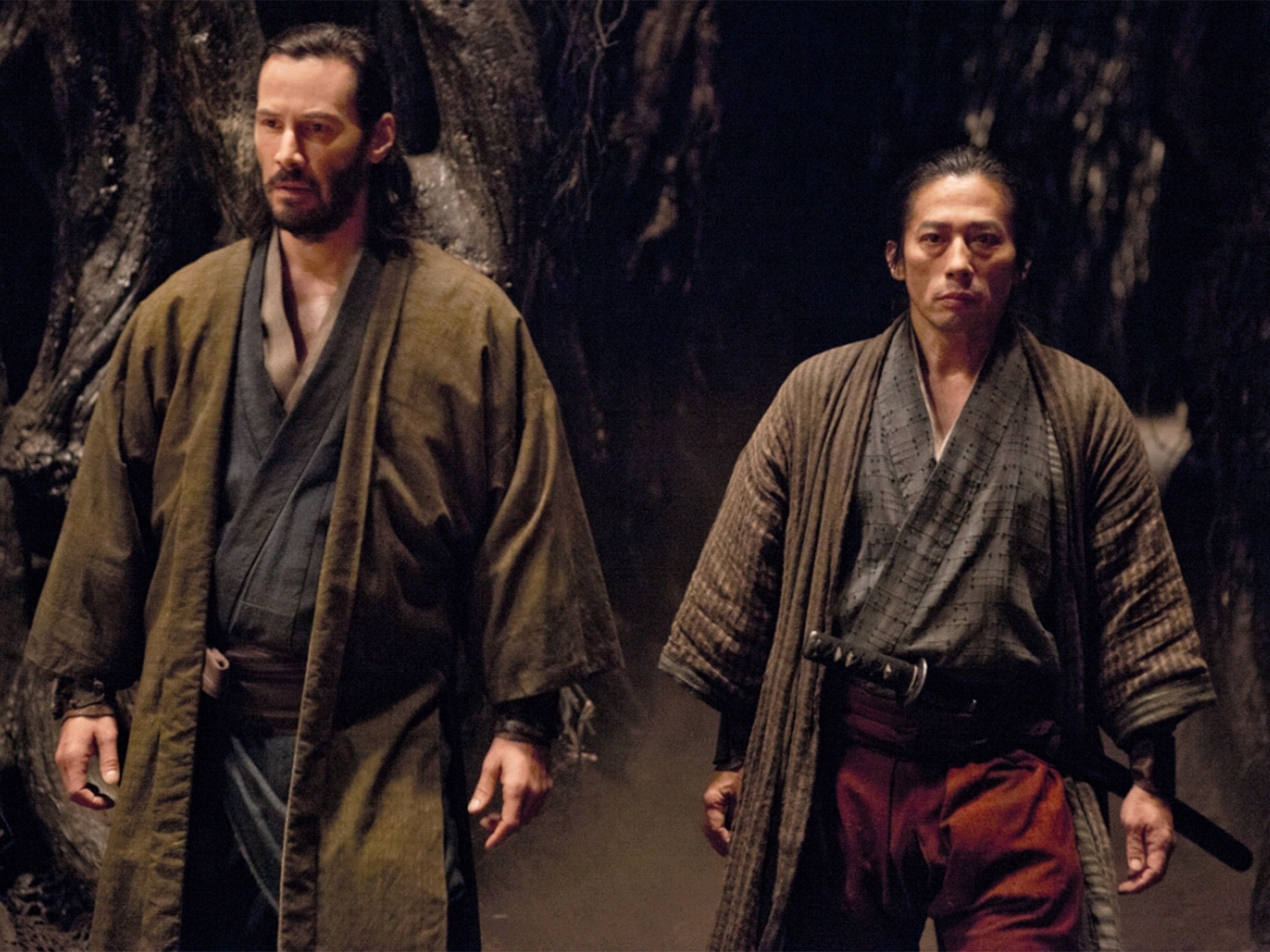
The historical fantasy film, a fictionalised account of a real-life group of masterless samurai in 18th-century Japan, also starred Shōgun actors Hiroyuki Sanada and Tadanobu Asano.
Reeves initially helped fund Rinsch’s doomed Netflix show in the first instance, and wrote a letter of leniency “as an artistic peer” of the director and “as a friend”.
“In my opinion, Carl can self-sabotage by amplifying the scale, scope and landscape of what had been negotiated, accordingly placing himself and his counterparties at odds,” the John Wick actor said in his letter.
“I do not intend to share this as an excuse or diminishment of what he has been found to have done, but offer this solely as perhaps an insight into why.”
Additional reporting by Agencies