










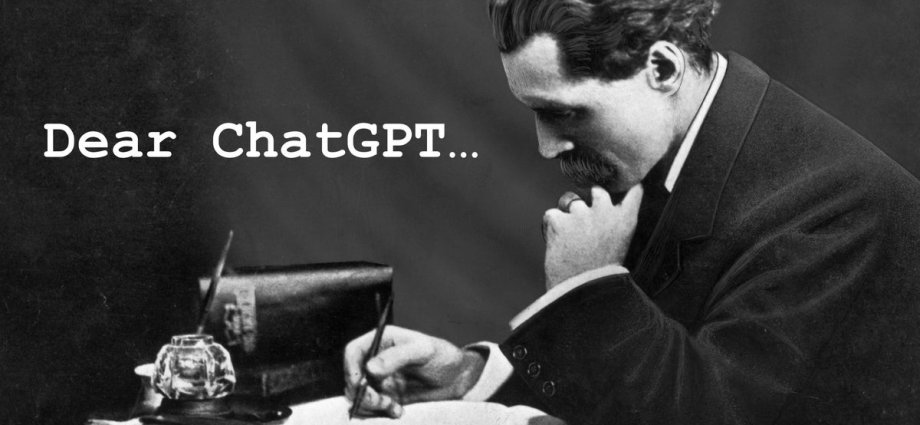
Artificial intelligence is anathema to many authors. After all, what is writing if not a labour of love, the zenith of human expression? In the war against robots, it was meant to be the last bastion of creativity. And yet, here we are… the tentacled reach of AI has begun infiltrating our bookshelves.
Stories about authors using AI, which have begun to steadily emerge as the software becomes more mainstream, are often met with incredulity. Most shocking was a report in March by The New York Times that one author’s buzzy horror novel, titled Shy Girl, would be pulled by a major publisher after it found purported use of AI. Its author, Mia Ballard, has denied personally using AI to write the novel, telling The New York Times that an acquaintance she had hired to work on an early self-published version had incorporated AI tools. The US newspaper shortly after cut ties with a freelance journalist after discovering he had used AI to help write a book review.
Months later, controversy struck the literary magazine Granta after an AI detection platform suggested that the winner of its short story competition was the suspected product of AI. Olga Tokarczuk, the Nobel Prize-winning author of Drive Your Plow Over the Bones of the Dead, caused controversy when, during an onstage interview, she revealed she asks the machine – which she affectionately referred to as “darling” – for help in developing the characters of her novels, asking it what sort of music they would listen to. Such was the backlash that she issued a subsequent statement insisting she used the technology solely for research.
It’s easy enough to see why writers would be seduced by AI. Need a synonym? Ask AI. Stuck on how to finish a sentence? Ask AI. On a deadline? AI can help with that. But for many writers, AI is also an existential threat, one they believe endangers their livelihood. A Cambridge study last year found that more than half of UK novelists believe AI will replace their work as fiction writers.
The headlines are damning, suggesting AI and authors just don’t go together. But the same study showed that a third of surveyed UK novelists are already using generative AI in their writing process – and that’s just the ones who admit to it. The genie is out of the bottle, but admitting to using these tools in any way at all is still a taboo for authors. But must it be this way? Is there another world in which AI can be harnessed to help rather than harm the book’s world?
Some authors think so. Anthony Horowitz, the bestselling novelist and screenwriter behind the Alex Rider series and Midsomer Murders, is more optimistic than the dark material of his works might suggest. “AI can be a wonderful friend… albeit a dangerous one,” he warns.
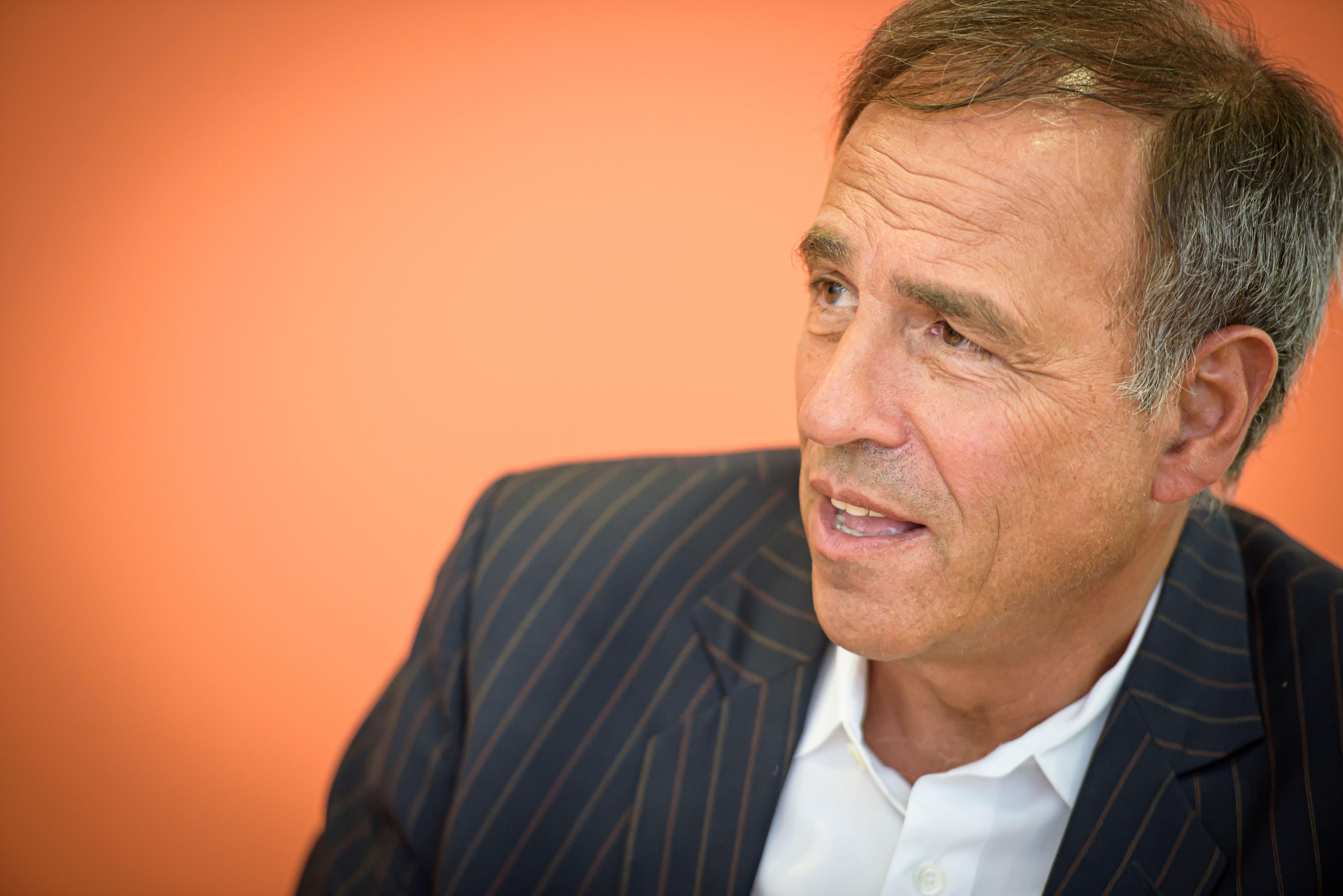
The author made headlines in May when he confessed to using ChatGPT “all the time” as part of his process. Today, he is keen to clarify what part of the process that is. “Strictly research,” he says now. “I would never put two words from AI next to one another.” Horowitz is not embarrassed to use AI in this way. “I have absolutely no shame about using it at all,” he says. “It would be crazy to give up an incredible resource.”
Crucially, it is never his only resource. Partway through our call, Horowitz excuses himself to answer the door for a package. The parcel that arrives is, in fact, germane to our conversation: a copy of Stay Alive: Berlin 1939-1945 by Ian Baruma. It’s one of dozens of non-fiction books that Horowitz is reading for his new historical fiction novel. “My first source of knowledge and information is still books,” he says. “I could swing the camera around and show you all the books I’ve read so far.”
Horowitz reads me a passage from his forthcoming novel, about a woman and boy arriving into Croydon Aerodrome. “AI told me first of all that Croydon Aerodrome was the name of the airport on 1933, when this is set, and it also told me that a passenger would get off the plane and go first into a medical station where they’d look for illnesses being imported from other countries,” he says. “Those are two things I got from AI. The description of the passport? I got that from a book. And the rest of it, the connection between mother and son, that’s just me. So you see, even in that little chunk, you have three sources: AI, books, and me as a writer.”
-copy.jpg)
Horowitz fact-checks all the information AI gives him. He was reminded of technology’s fallibility when he asked it for the plot of one of his novels. “It gave me the wrong one. I thought, wow, if a heart surgeon was using AI to find the lower ventricle… what sort of world would we be living in?”
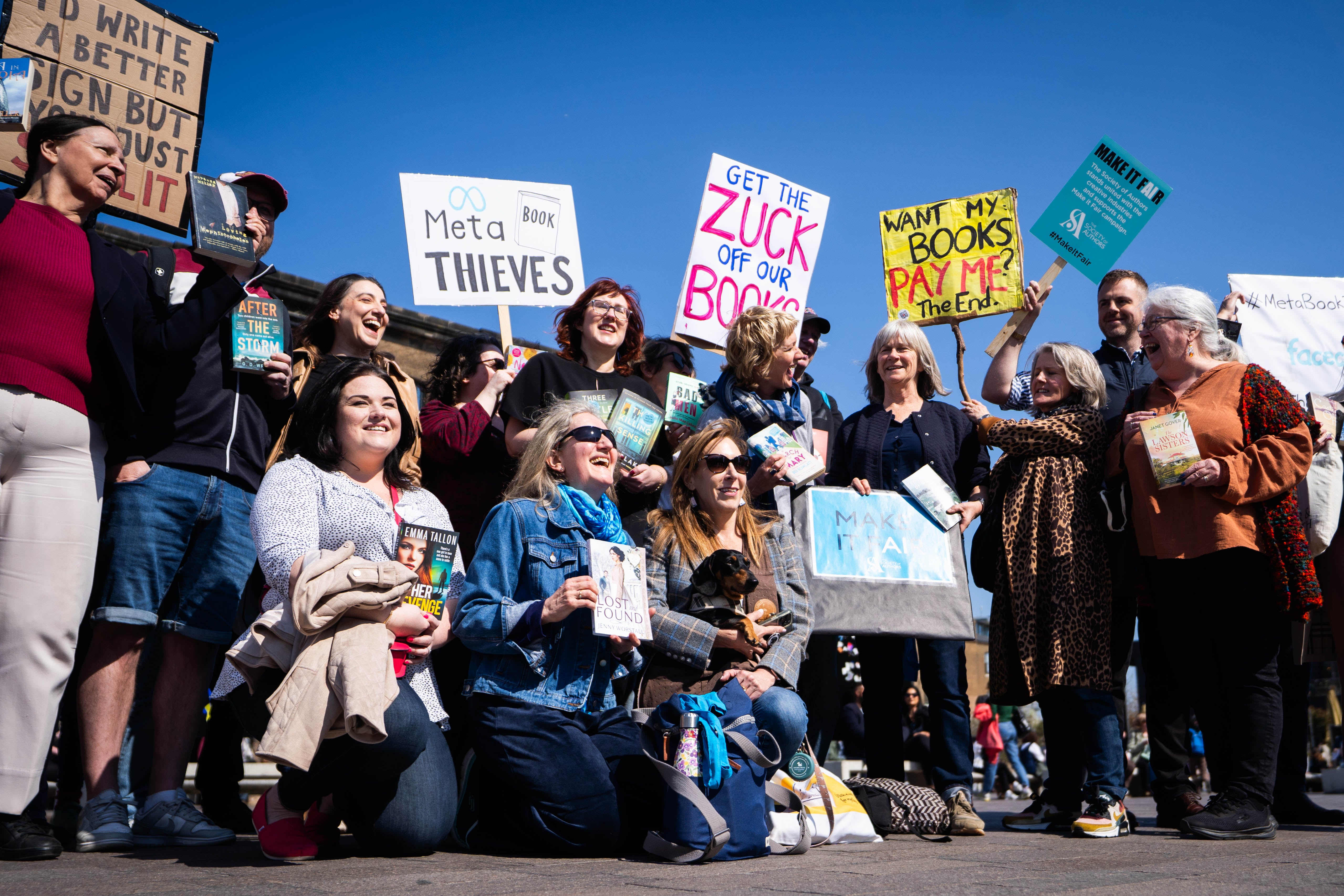
Part of why AI is so contentious a subject in the literary world is because many AI models have been trained, without permission, on the work of authors. In March, around 10,000 authors, including Kazuo Ishiguro, Jeanette Winterson, and Richard Osman co-published an “empty” book in protest over AI using their work. Earlier this year, five major publishers, including Hachette and Macmillan, sued Meta for copyright over allegations that millions of works from novels to textbooks were pirated to train their Llama AI model. Meta has denied any wrongdoing.
Horowitz expects his novels have been used to train AI models. You might think that using AI makes him complicit in the theft of his own work, but he isn’t losing sleep over it. “If you ran your life that way, you wouldn’t eat anything. You wouldn’t wear anything. You wouldn’t really do anything because every single thing that we have around us is in some way compromised. And that is the world we live in,” he says, but adds that he has “enormous sympathy” for his fellow authors in the same position.
He is also not bothered by the rumours that AI authors could replace humans altogether. “To me that’s not a great concern because AI can’t do it as well as I can,” he says simply. “We are better than AI.”
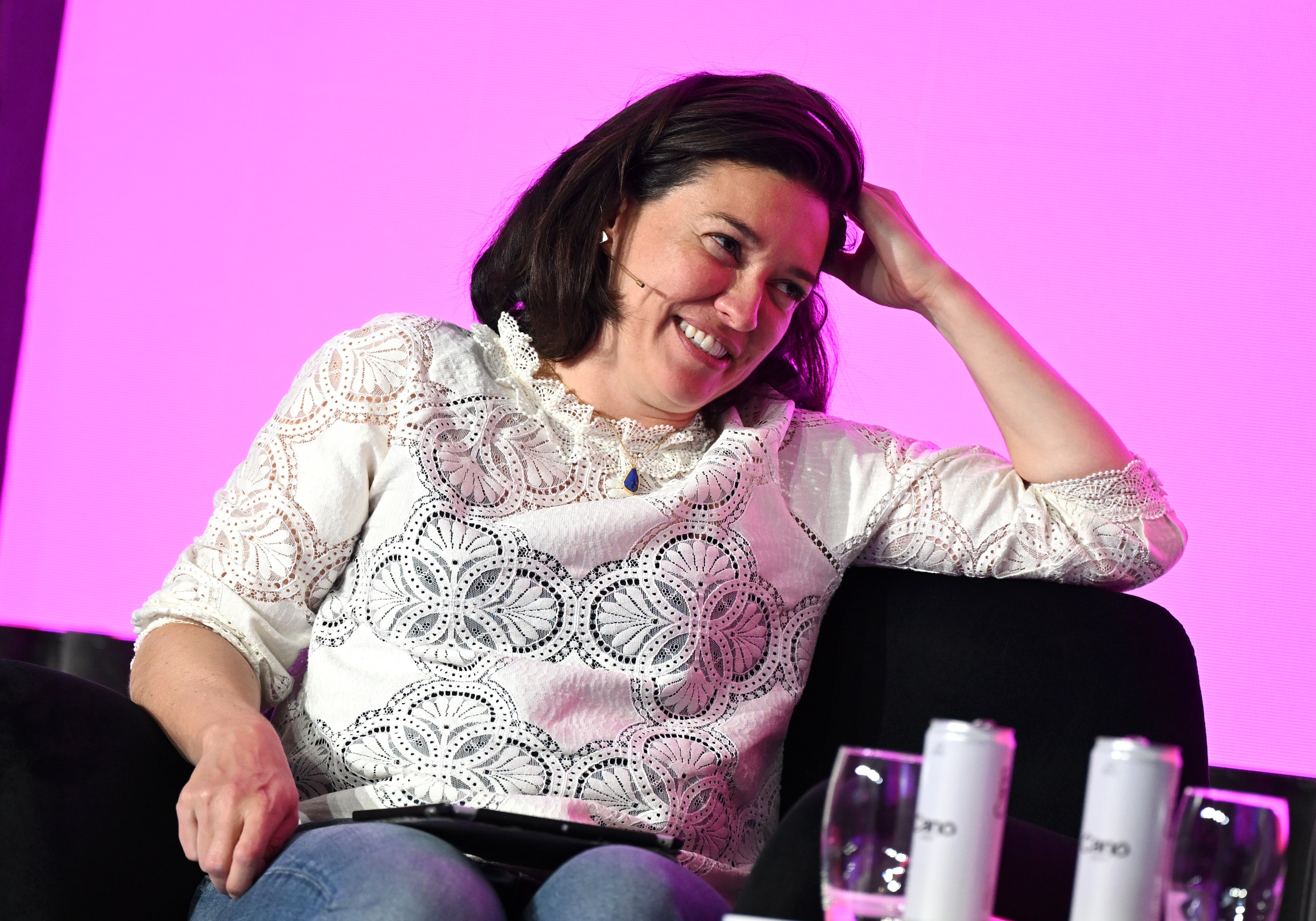
But that doesn’t mean it can’t lend a helping hand. Journalist and author Katie Prescott also found AI invaluable in writing her bestselling biography The Curious Case of Mike Lynch: The Improbable Life & Death of a Tech Billionaire, about the late British tech entrepreneur and founder of AI-pioneering company Autonomy. Dubbed “Britain’s Bill Gates”, Lynch’s success was soured by allegations of massive accounting fraud that, in turn, sparked a decade of litigation and a gruelling trial in which he was acquitted of all fraud charges, only to die weeks later in an accident on his superyacht.
To me [AI replacing writers] is not a great concern because AI can’t do it as well as I can. We are better than AI
Anthony Horowitz, author
“I was really, really lucky to have AI,” Prescott says. “I was under enormous time pressure and facing mountains of information, something like 2,000 pages of very complex accounting judgement. And underpinning that judgement were transcripts from one of the most lengthy and complex trials in British legal history.” To help, Prescott loaded her sources into Google NotebookLM – an AI tool that operates like a particularly intelligent personal research assistant. Ask it anything you want about what you uploaded and you’ll get an accurate answer. It can even turn the contents of your documents into a shockingly realistic podcast.
NotebookLM allowed Prescott to discover the minutiae in these documents – little nuggets of industry gossip that she would likely have never found otherwise. Like a particularly strange Winnie the Pooh-themed presentation that Lynch and his team gave. The LM found mentions of it in three seemingly throwaway references in transcripts of interviews with smaller players in the trial, ones that Prescott might not have necessarily read end to end. “It’s not something you’d have found if you were regularly keyword searching,” she says.
In reviews of her book, Prescott’s research is described as “meticulous”. The lawyers, on both sides of the trial, were frankly in awe of the pace at which she was able to digest and parse the insurmountable amounts of information presented to her. “Their memory of the case is walls and walls and walls of files,” says Prescott. “Junior lawyers having to go to the right file to find the right piece of information. They said it took them 10 years.”
Like Horowitz, though, the AI is only additive to Prescott’s work; it is not a replacement. “It’s a tool. It’s not going to do my job for me,” she says. “You obviously can’t write a book just from information. You can only do that by speaking to people; it took an awful lot of trust-building, my connections as a tech journalist, signing NDAs, everything that is basic bread and butter journalism. The stuff that AI can’t do.”
Both Horowitz and Prescott are clear about the fact that neither use it for creative purposes, drawing the line at research and organisation. But some authors are also curious about AI’s imaginative capabilities. The crime author Ajay Chowdhury, best known for his globe-trotting Kamil Rahman series, was experimenting with AI in his work as early as 2023. Today, he estimates he uses AI more than ever.

More than simply research, which he does use it for as well, AI provides Choudhury with an initial copy editor and a sounding board – someone, or something, to bounce ideas off. “I think of it as an editor on demand,” he says. “So I’ll have the kind of dialogue that I might have with my real editor: ‘Look, I’m a bit stuck here, what do you think I should do?’ and then we’d bat some ideas around. Now 95 per cent of what comes up I’ll discard but occasionally it’ll come up with something that sparks an idea of a direction that I could go in.”
While Chowdhury does not use AI for writing his novels – “number one, I don’t think it writes very well and number two, well what’s the point?” – he has used ChatGPT to generate potential outcomes for certain scenes like, say, how a captive might escape a killer’s trap using only fertiliser and gardening tools. He’s used it to restructure sections to help with pacing and used an image generator site to help spark his imagination. He asks it for feedback, careful to phrase his request as such so that its response is honest rather than obsequious (chatbots famously have a confirmation bias that makes them overly flattering). And most of the time the feedback he received is in line with what his editor at Penguin will say. “Though my real editor is obviously better!” For Chowdury, a lot of it is about making the writing process more efficient.
It’s worth noting that Chodhury and Prescott both have backgrounds in tech, which might account for their confidence in embracing these tools. Perhaps the suspicion around authors using AI points to a larger distrust over what this technology is, and what it means for creative work. It also raises questions about the bypassing, or at least the blurring, of the creative process – something that has always been regarded as inherently human. But what is clear is that AI isn’t going away anytime soon. Some writers continue to avoid it altogether; others will adapt on terms they’re still in the process of defining.