











The high-fat, low-carb keto diet may slow brain ageing and protect from diseases like Alzheimer’s and Parkinson’s, a new research review suggests.
The lack of carbohydrates in a keto diet mimics starvation, inducing the body into a metabolic state known as “nutritional ketosis”, forcing it to shift its main energy source from glucose to molecules called ketones. This means that the body burns fat instead of carbohydrates, a process that can cause some people to lose weight.
While the diet is also medically prescribed for certain conditions like hard-to-treat epilepsy in children, its exact brain protective effects remain unclear.
In the latest review, researchers analysed 15 years of studies on the keto diet to determine whether it could protect the brain from devastating diseases like Alzheimer’s, Parkinson’s, multiple sclerosis, and ALS.
The review suggests the diet may be a promising way to prevent diseases that damage the brain over time by improving how it uses energy.
While cells normally rely on glucose for energy, the brains of people with neurodegenerative diseases often struggle to use the sugar molecules effectively.
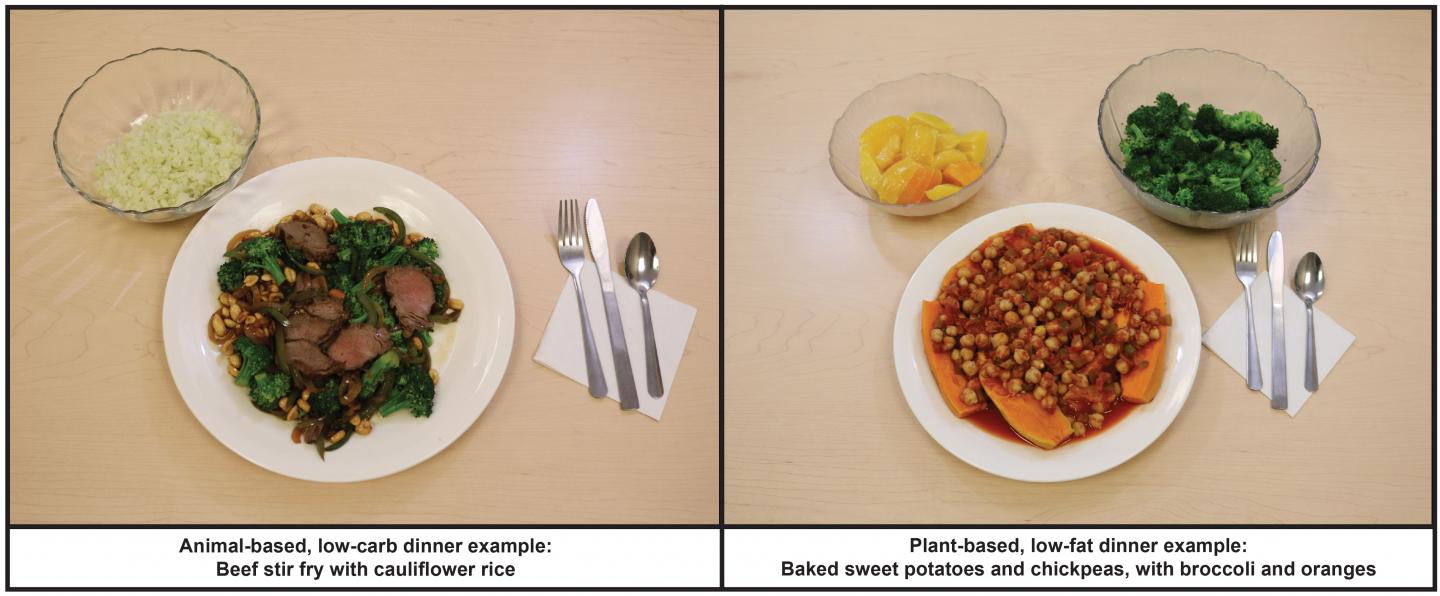
The keto diet prompts the liver to make ketones, which serve as an alternative energy source for the brain and ensure people at risk of neurodegenerative diseases get enough brain fuel.
Some studies show the diet also reduces the number of inflammation-associated gut bacteria. One common underlying factor in diseases like Alzheimer’s and Parkinson’s is the dysfunction of the cell powerhouses mitochondria in the brain, leading to the build-up of harmful molecules, inflammation, and nerve death.
Current treatments fail to adequately address the underlying loss of nerve cells, researchers say. A keto diet may activate the body’s natural dead-cell clean-up system and reduce the build-up of toxic proteins linked to brain decline.
It may enable Alzheimer’s and Parkinson’s patients to experience improvements in memory, energy levels, and quality of life without adverse effects, scientists say.
“Its ability to influence critical biological pathways, including mitochondrial function, oxidative stress, neuroinflammatory processes, and cellular bioenergetics, positions the keto diet as an important nonpharmacological approach,” they say in the new review published in the journal Translational Neurodegeneration.
But adherence to a restrictive keto diet among ageing individuals may pose a challenge, they say.
Some people may also experience headaches, fatigue, nausea and dizziness on a keto diet, and like other restrictive diets it is not typically recommended in the UK for weight loss. The NHS instead has its own 12-week programme called the NHS Weight Loss Plan, which takes a more holistic approach to diet, exercise and healthy habits. Anyone considering a keto diet should consult their GP or dietitian.
Researchers in the new review recommended more long-term studies to evaluate the safety and practical utility of a keto diet for patients in clinical settings.
“Future research should prioritise personalising the keto diet through advanced genetic and metabolic profiling, enabling predictions about which patients are most likely to benefit,” they write.
“Emerging technologies, such as wearable devices for biomarker discovery, can enhance monitoring, adherence, and outcome tracking.”