









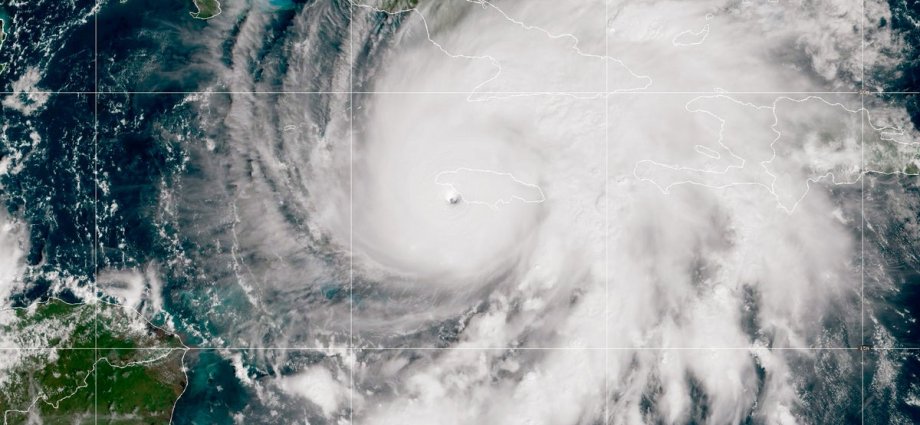
Large and unpredictable Atlantic hurricanes are becoming more common due to climate change, with scientists increasingly relying on AI to improve forecasts, although many remain skeptical of the technology’s ability to better protect communities.
It takes humans a couple of hours to put together a traditional hurricane forecast – but AI can recognize patterns in a matter of minutes using decades of historical weather data.
The National Oceanic and Atmospheric Administration, the country’s premiere hurricane forecasters, has been testing AI models for several years now, with increasingly accurate results.
NOAA scientist Hiro Murakami, who works at the Geophysical Fluid Dynamics Laboratory in New Jersey, told The Independent this week that incorporating AI into their “SPEAR“ model – which produces seasonal hurricane forecasts – has been a great success.
“It’s like a 20 percent improvement we see, I think … It’s a very significant improvement,” Murakami said.

Fewer hurricanes than normal are expected this season in the Atlantic Ocean —between 3-6 storms compared to an average of seven, due to a “godzilla” El Niño event. But it only takes one major hurricane to devastate a community.
Hurricanes are getting stronger as Earth’s atmosphere heats up from the burning of fossil fuels, sending ocean temperatures soaring. A hotter ocean means more energy to whip hurricanes into storms packed with stronger winds and more rainfall.
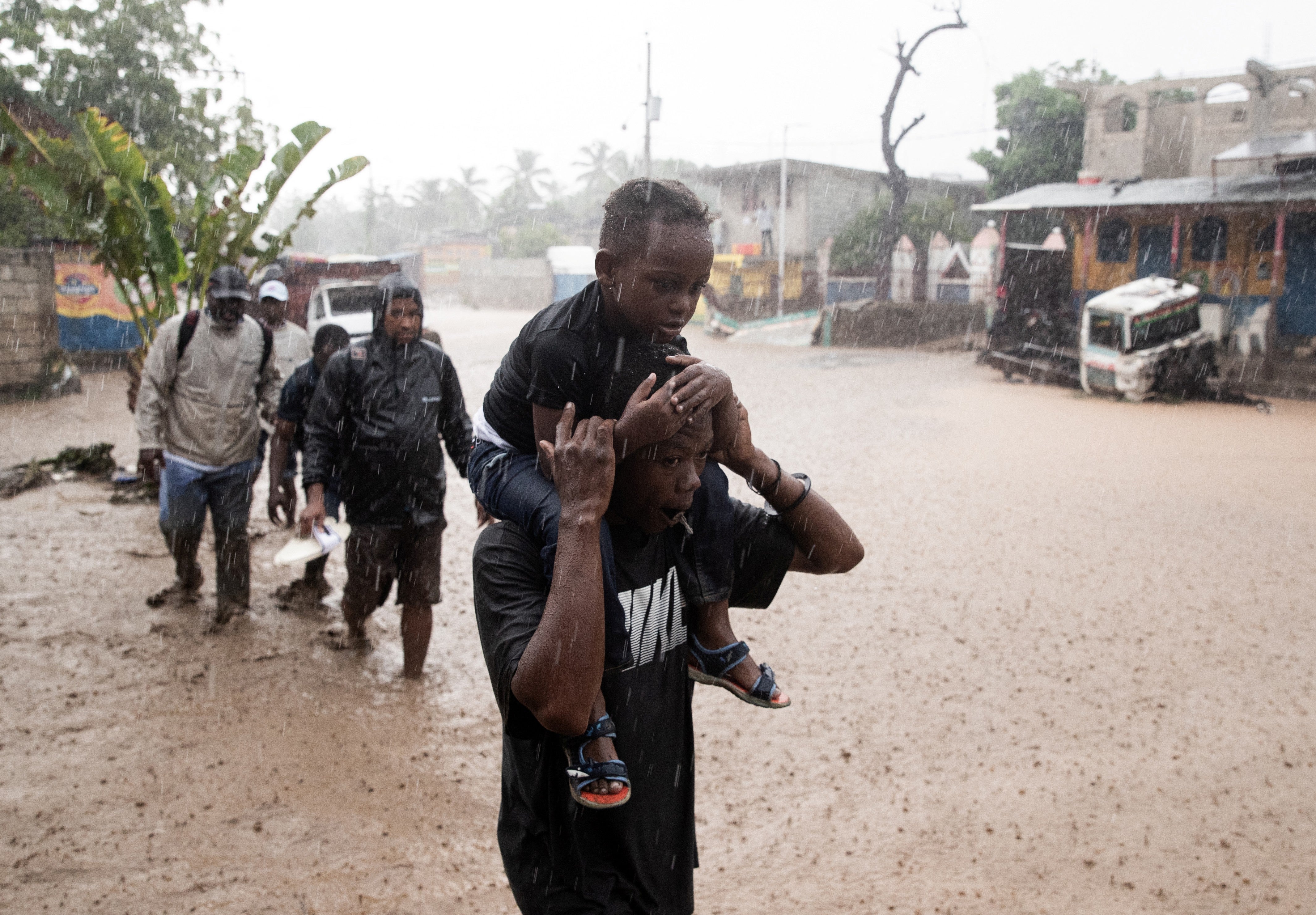
The U.S. had no hurricanes make landfall last year but many nations in the Caribbean were not so fortunate. Last October’s Category 5 Hurricane Melissa was tied for the strongest on record, and brought 190mph winds and up to 35 inches of rain, killing at least 93 people across Jamaica, Cuba, the Bahamas and Haiti.
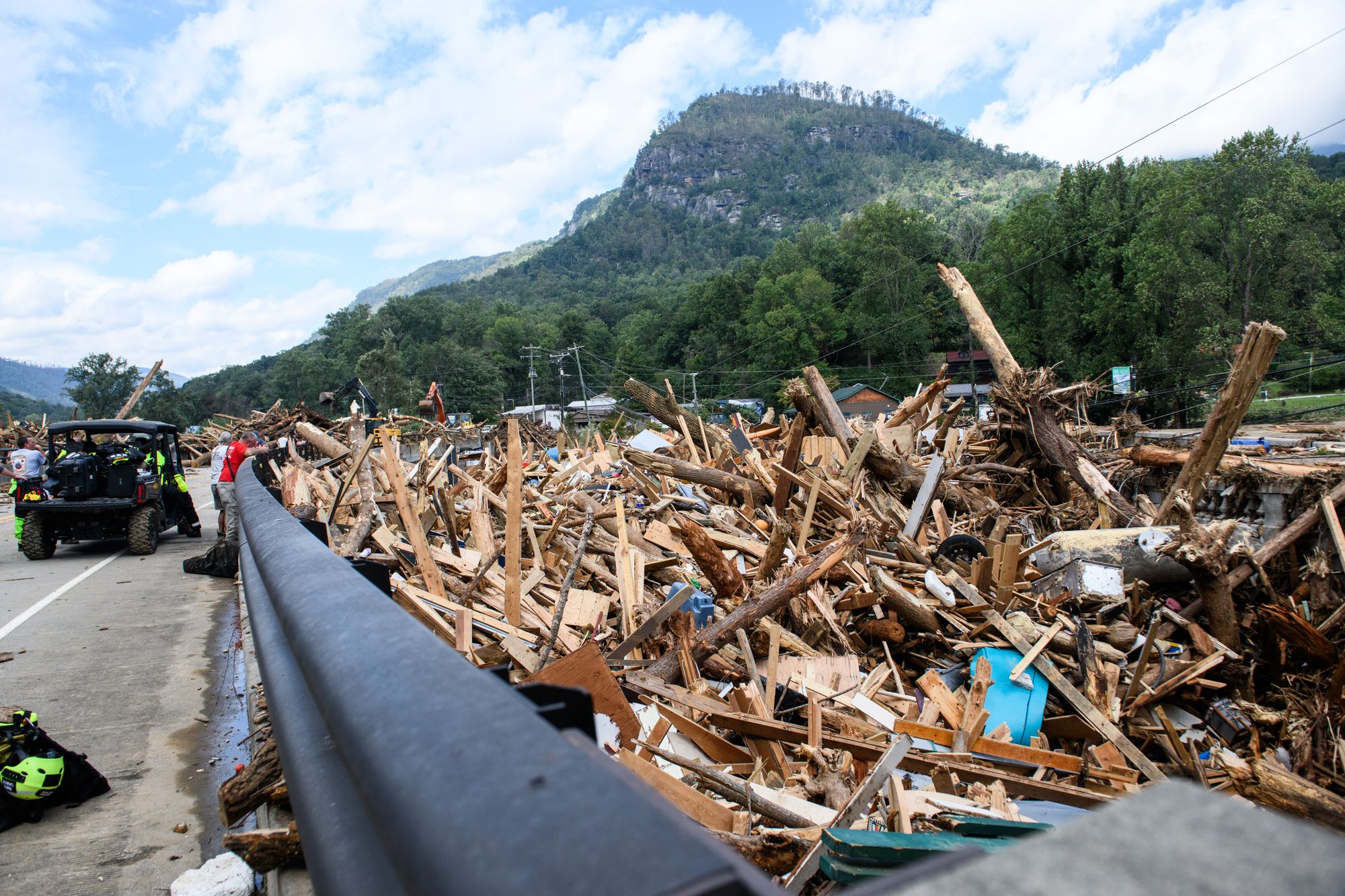
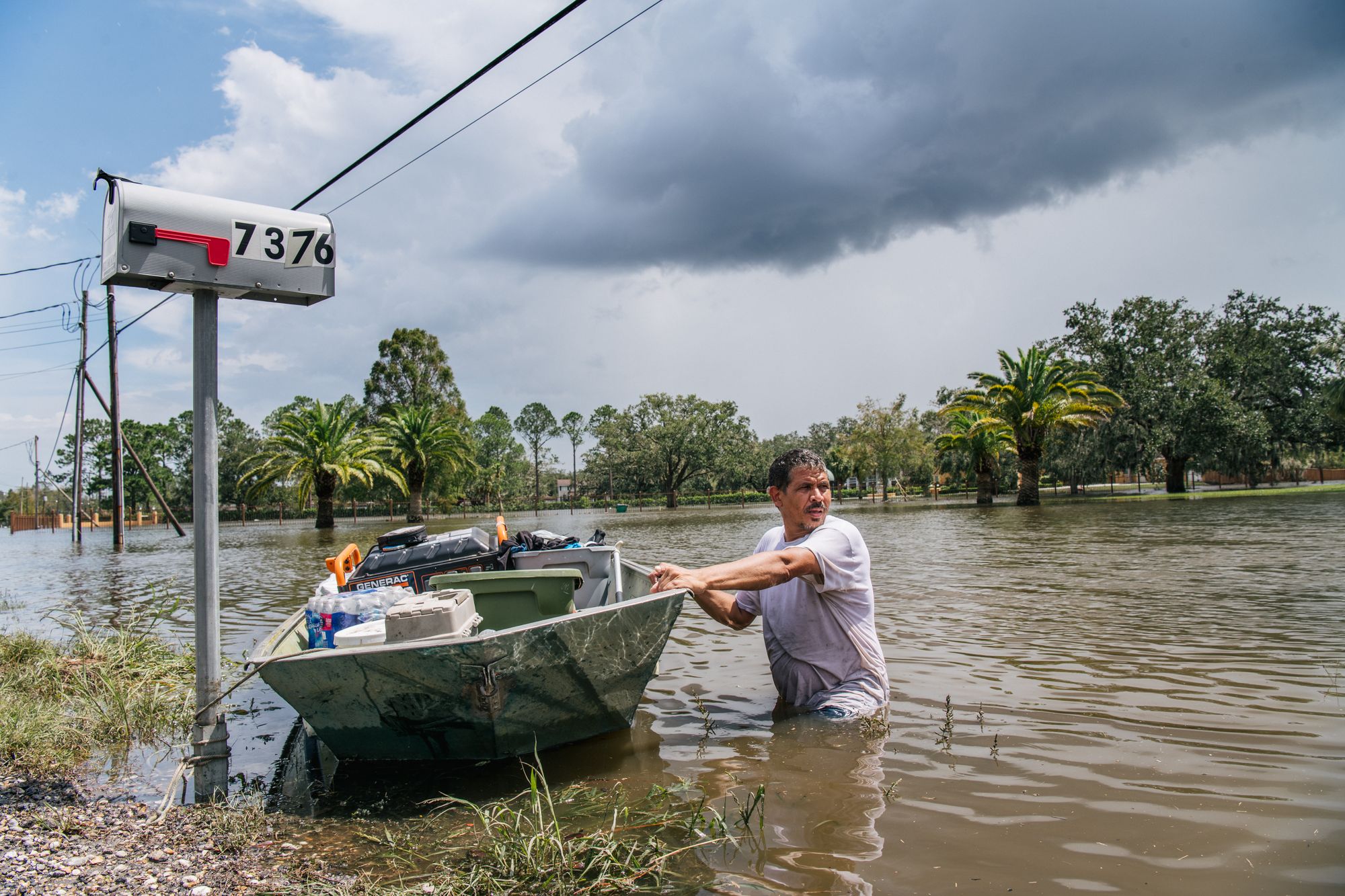
Another change in hurricane behavior has been a new-found ability to intensify into a major storm over a short period of time. Hurricane Helene rapidly intensified into a Category 4 hurricane over the Gulf of Mexico in 2024 due to record-warm waters, and brought devastating floods from Florida to North Carolina.
Super-speed for super storms
Until relatively recently, hurricane forecasts involved scientists applying mathematical calculations to current atmospheric data to determine how the conditions would impact a storm over time.
These traditional models have been highly successful. The 2024 forecasts from the National Hurricane Center were the most accurate on record because of improvements in computing power.
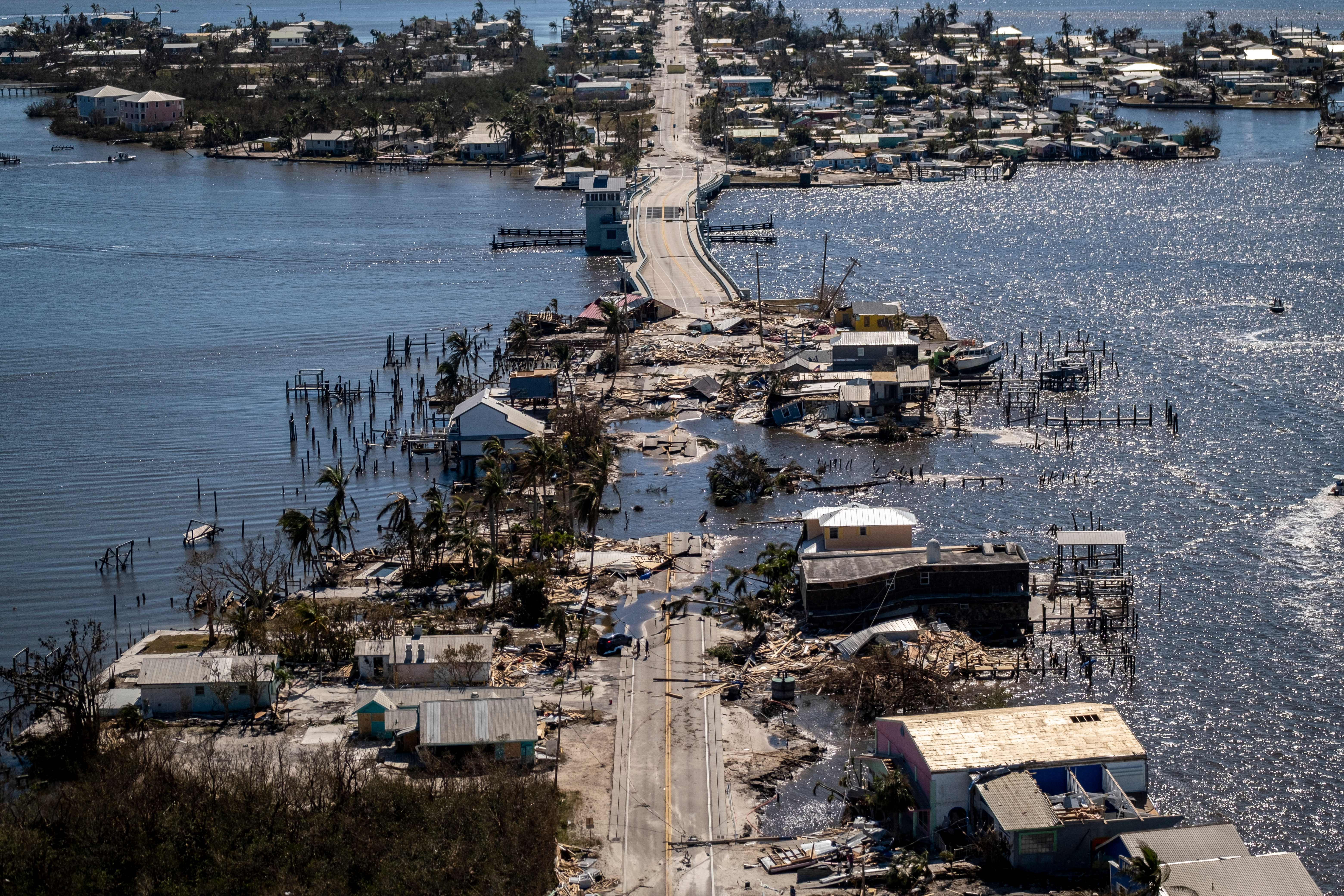
But with rise of AI, scientists believe they can do even better: the technology has improved the prediction success rate by an average of between 15-30 percent over traditional models, according to atmospheric scientists at the University of Houston.
Along with NOAA other leading institutions in the U.S. that study weather and climate, including Colorado State University and the University of Chicago, have been able to incorporate the technology into existing systems.
Google’s DeepMind model, which helps with both seasonal and short-term hurricane forecasts, helped to predict the rapid intensification of Hurricane Melissa. That meant earlier evacuation, better preparation on the ground and lives saved, Evan Thompson, the principal director for Meteorological Service Jamaica told Google.
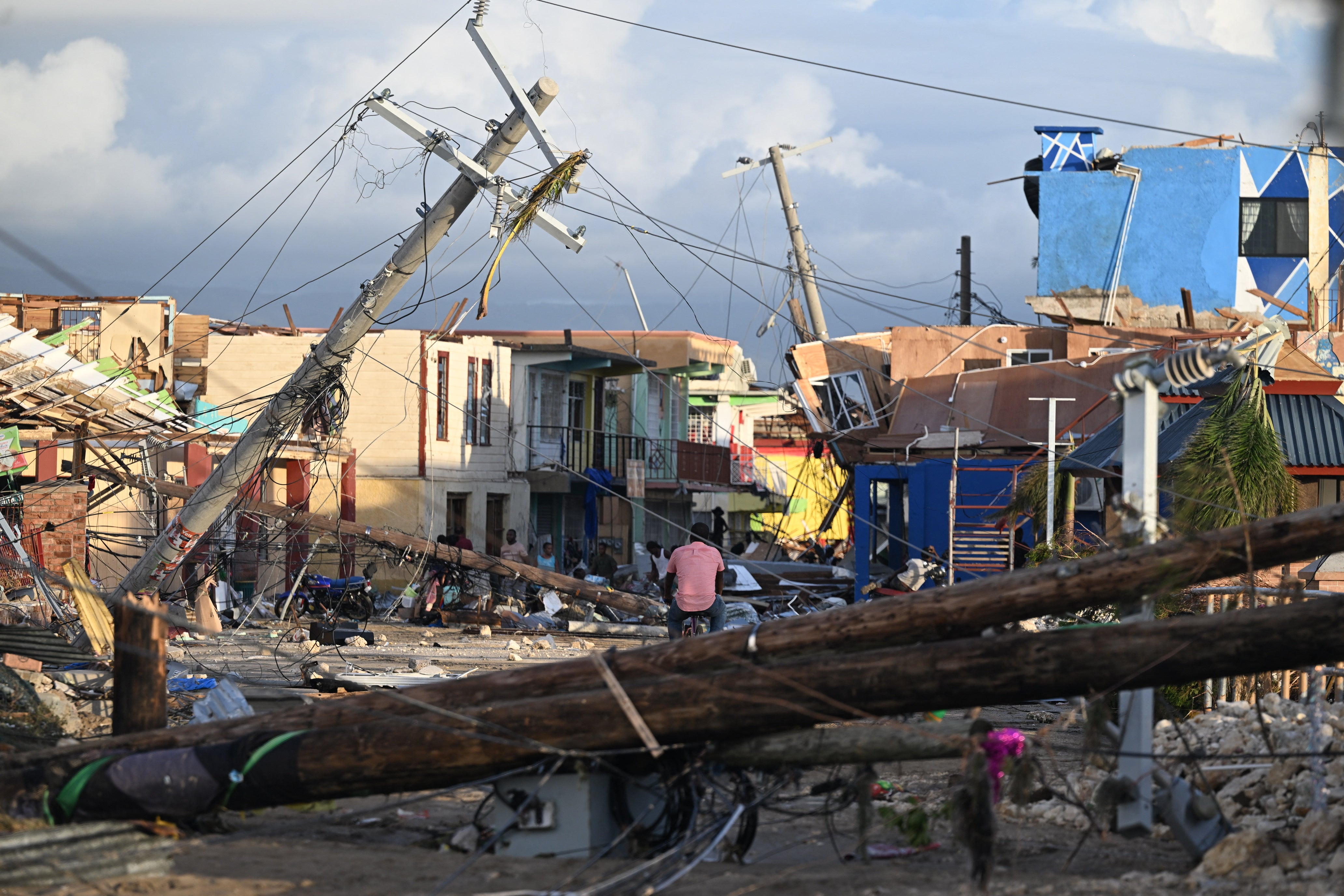
Last year, it “beat everything else for the 2025 season,” James Franklin, a retired weather forecaster who spent 35 years working on hurricanes at NOAA and has been involved with DeepMind, told The Independent.
That’s partially due to the large sets of data that DeepMind was trained on, according to Bryan Norcross, a hurricane specialist at FOX Weather who consulted on the project.
“Over the next year, increasingly high-resolution datasets of past weather will come online. As understanding of the technology also deepens, the expectation is that AI models from Google DeepMind and other labs will continue to improve,” he said.
Data is at the core of how any AI model improves and is key to ensure hurricane forecasting become more accurate in the future, Phil Klotzbach, a senior research scientist at Colorado State University, added.
“If you can give the AI model really good data to develop off of, it will give you a good answer,” he said.
Another reason to rely on AI is speed — a critical factor when studying storms that could make landfall in a matter of hours.
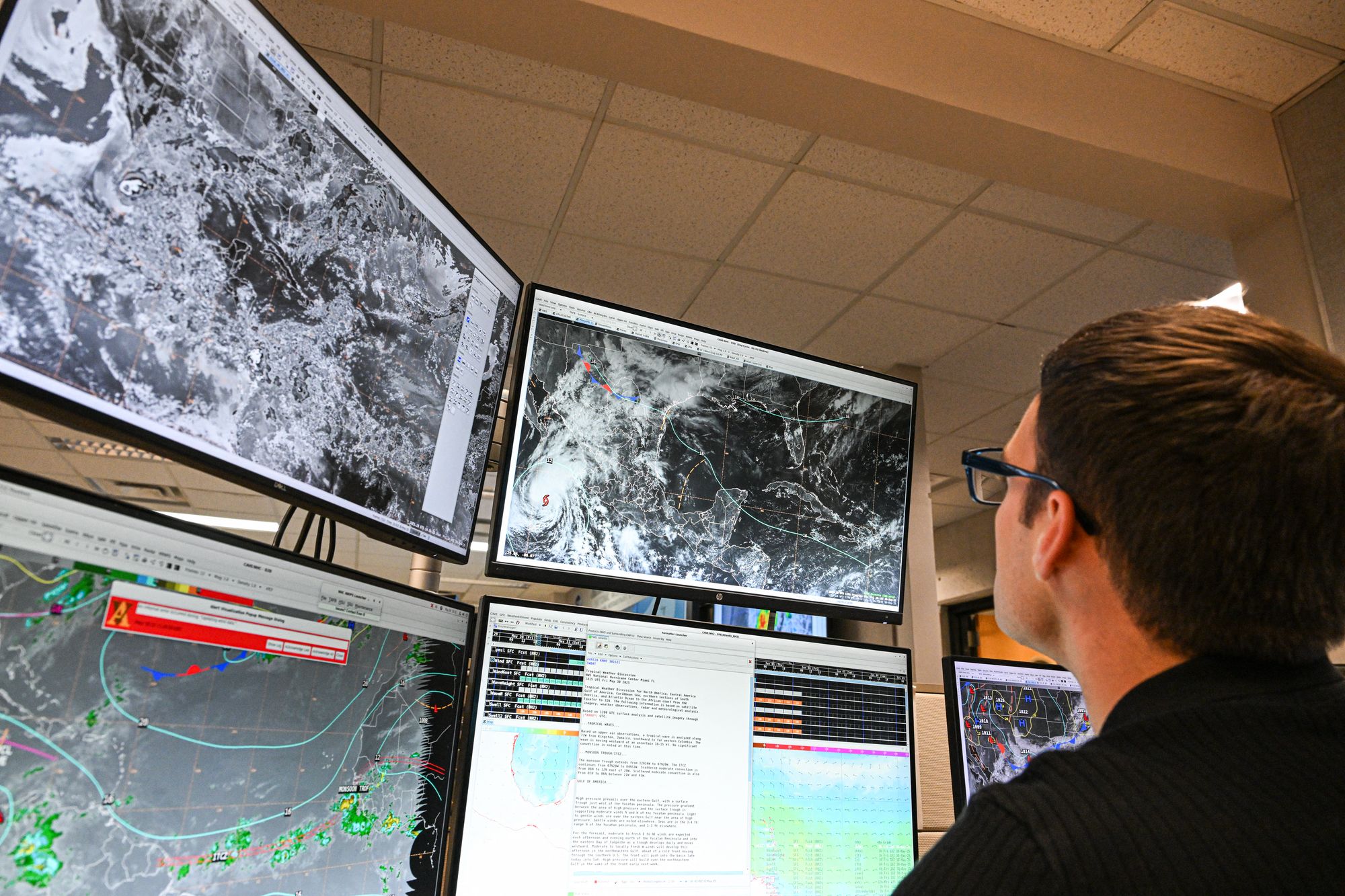
Traditional forecasting typically take a few hours to reach a conclusion, whereas DeepMind is eight times faster than regular models, according to Google.
“We can run a lot more of them and they run very cheaply,” Jeff Berardelli, chief meteorologist and climate specialist at WFLA-TV, told The Independent. “So, for a regular dynamical model, it may take hours to run on a supercomputer because it’s very calculation and equation intensive.”
The unprecedented
Of course, AI hurricane forecasting is not perfect- it needs historical data to be able to provide accurate forecasts.
But, what happens when an AI model is involved in the forecast for a storm that could be stronger than anything we’ve seen before?
“Being that the climate is warming, the atmosphere is warming, the oceans are warming, there are going to be some unprecedented events – not just for hurricanes but for heatwaves and for floods and stuff like that – that the AI model can’t predict because it doesn’t have it in its database,” Berardelli said.
Franklin said he’s less worried about that because, at least in the case of Google’s DeepMind, the AI can still forecast a major storm when it happens, no matter the strength.
“While it’s true that it can only work with the data that it has … I’m just not sure a modest increase due to higher ocean heat content … is, in a practical sense, a big deal,” he said.
There remains a bigger issue to contend with. AI is powered by data centers that not only need a large amount of water to run but consume vast quantities of electricity, thus burning the fossil fuels driving the climate crisis – and in turn, nastier hurricanes.