










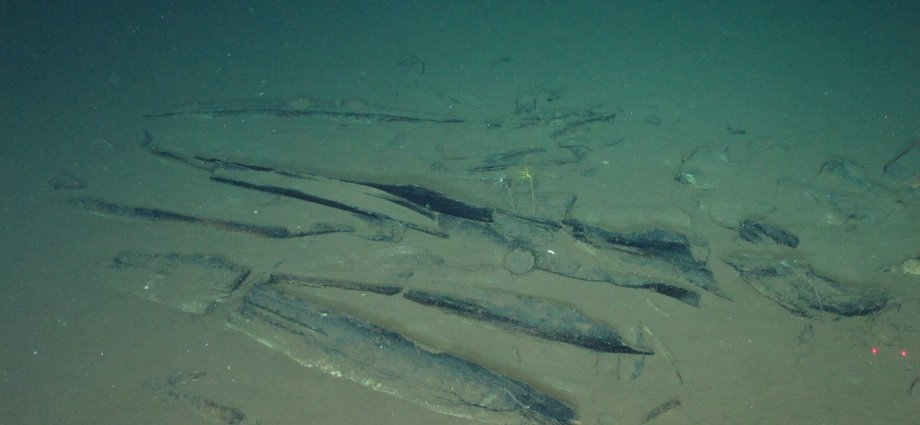
Scientists have uncovered an extraordinary ecosystem of marine life, including jellyfish, tubeworms, and brittle stars, thriving on a millions of years old whale graveyard in the deep ocean.
This remarkable discovery, located up to 23,000 feet (7 kilometers) below the surface of the southeastern Indian Ocean, represents the deepest, oldest, and largest such site ever found.
These unique underwater neighborhoods form when whale carcasses descend to the seafloor, providing a sustained source of nutrients for nearby creatures.
The sheer size of a whale and the distinct chemistry of its bones are crucial to the creation of these deep-sea havens, explained Xikun Song, a biologist with the Chinese Academy of Sciences’ Institute of Deep-sea Science and Engineering.
However, the inherent nature of the deep ocean makes these sites exceptionally challenging for scientists to locate, Song noted.
Researchers explored the remains during multiple deep-sea submersible expeditions in 2023, meticulously collecting samples and mapping the vast extent of the necropolis.
They identified five distinct carcass sites and unearthed fossils, including skulls belonging to both beaked and baleen whales, with the oldest bones dating back an astonishing 5.3 million years.
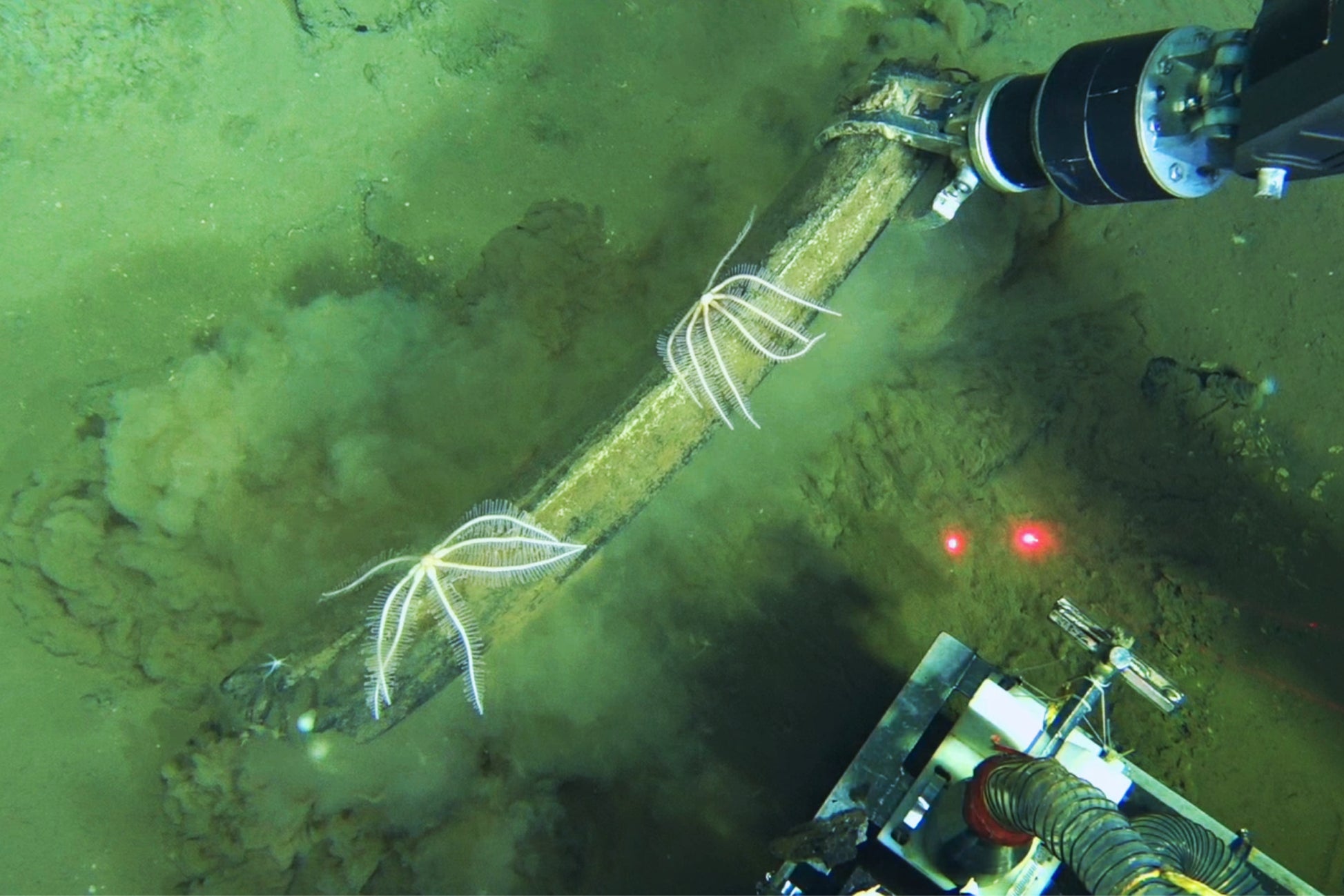
A diverse array of creatures, both large and small, were found feeding and living on the carcasses, including sea cucumbers, squat lobsters, and saltwater clams.
Many of these species are likely new to science, according to findings published this week in the journal Nature.
Paleontologist Stephen Godfrey of the Calvert Marine Museum in Maryland, who was not involved in the research, described the potential number of specimens as “astounding.”
Several factors likely contributed to the preservation of these bones for millions of years.
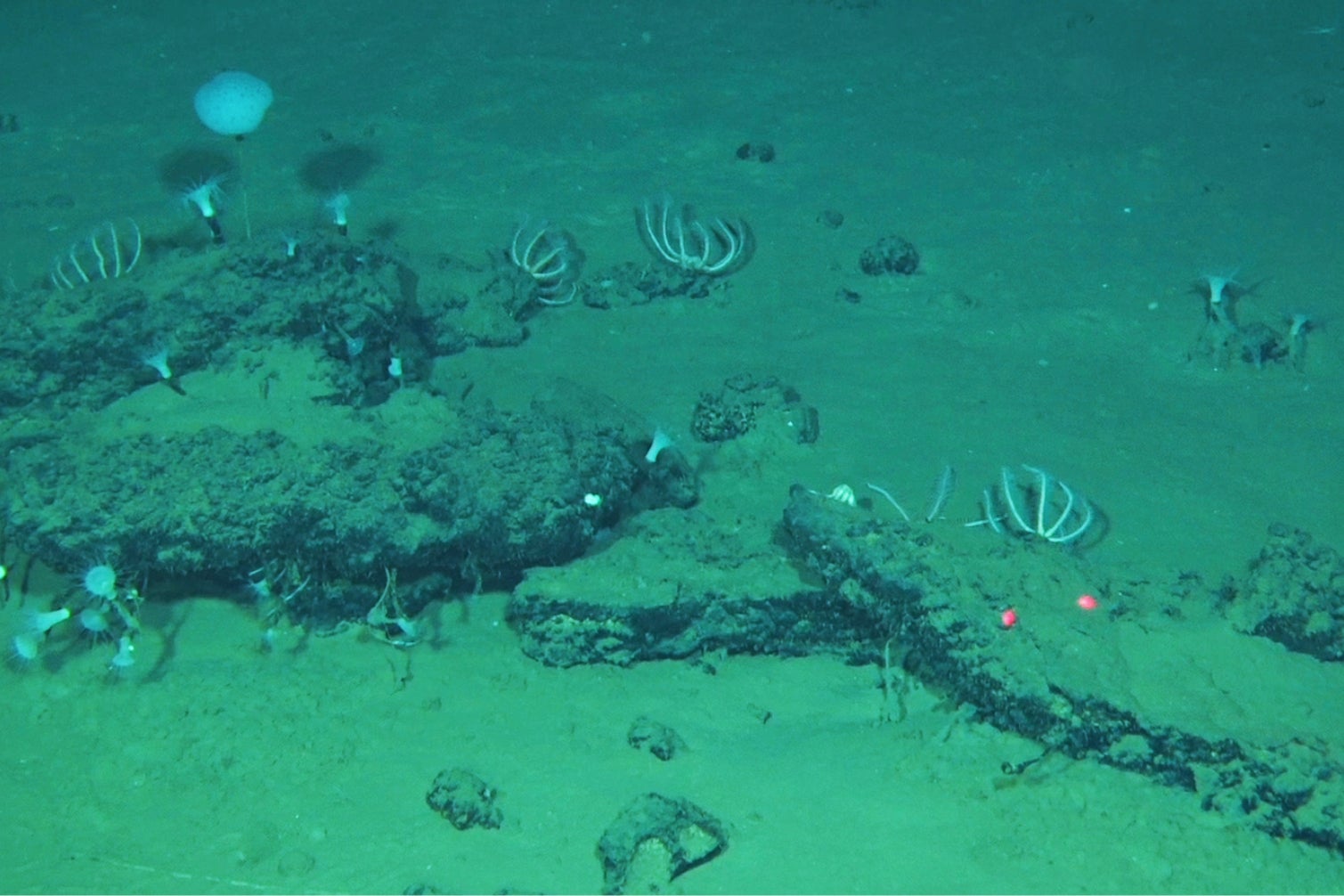
Their density helped them resist attacks from bone-eating worms, while their deep-ocean location protected them from being buried by dust and loose particles.
A light coating of minerals from the surrounding seawater also appears to have prevented degradation.
The reasons for such a high concentration of whale deaths in this area remain speculative, with possibilities ranging from natural causes and illness from deep-sea diving to the area’s V-shaped topography funneling remains to their final resting place.
Such discoveries are vital for understanding the vibrant communities that persist even in remote, hard-to-reach environments.
Studying these whale graveyards is crucial for comprehending how life adapts to extreme conditions, not only due to the absence of light and oxygen but also the incredibly high pressure, stated study co-author and paleontologist Giovanni Bianucci of the University of Pisa in Italy.