









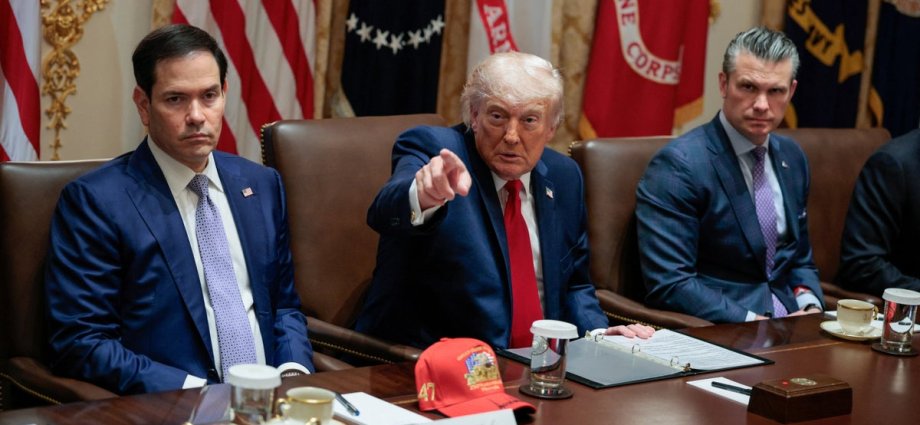
Marco Rubio has told Congress for the first time that the United States will not distribute contraceptives globally, as nearly $10 million worth of taxpayer-funded contraceptive supplies sit in a Belgian warehouse approaching their expiry date, with some of them already destroyed.
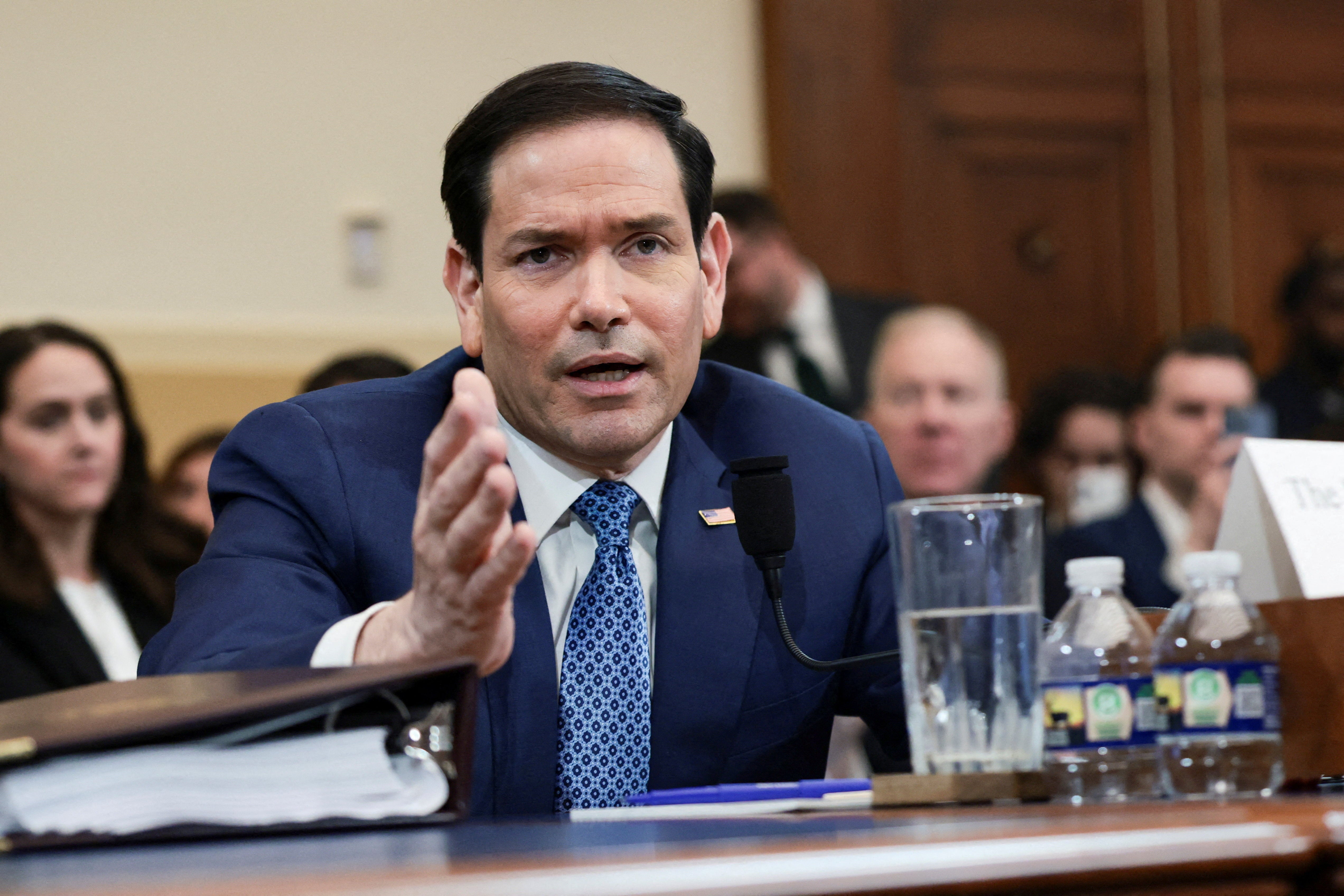
Speaking at a House Appropriations Committee hearing on the State Department budget, the secretary of state said of the stockpile: “We’re not going to use them.”
“We are acting under executive directive [from President Donald Trump] not to take part in these programmes internationally. The United States is not going to fund this, it is as simple as that,” he said.
Birth control pills, intrauterine devices and hormonal implants worth nearly $10 million (£7.5m) were purchased by the US Agency for International Development (USAID) before it was mostly dismantled early last year by Trump as part of billions of dollars in aid cuts. They were intended to go to low-income countries, mainly in sub-Saharan Africa.
It was suggested last year that the supplies had been completely destroyed, as they were scheduled to be, but Mr Rubio did not confirm that. It is clear that at least some of the supplies have been sitting in Belgium since then. “I don’t know what the cost to storing them in the warehouses is… some of them have been disposed of, we are not going to use them,” he told Congress.
He added: “We’re not going to use them or the government of the United States is not going to be involved in distributing contraceptives and all these other things around the world”
“That is not what foreign aid in the United States is supposed to be used for… Foreign aid should be used to advance the national interests of the United States and that is what we are going to focus our resources on”
“The United States is not a charitable [organisation],” he added.
In January, 67 members of Congress sent a letter to Mr Rubio calling for an update on the status of the contraceptives, but got no response. The letter put the human cost of blocking distribution of the Belgium supplies at 362,000 additional unintended pregnancies, 110,000 unsafe abortions, and 718 preventable maternal deaths.
Mr Rubio’s declaration drew immediate condemnation from reproductive health organisations, who warned that the administration’s position was already translating into shortages across sub-Saharan Africa, rising rates of unintended pregnancy and a supply chain collapse that other donors cannot cover at scale.
Nabeeha Kazi Hutchins, president and CEO of PAI, told The Independent that Mr Rubio’s statement “suggests the administration is willing to pick and choose which laws and directives from Congress it will follow”, adding that letting the supplies expire “is not fiscal responsibility, it is wasteful, harmful, and contrary to the intent of Congress and the American people.”
Sarah Shaw, from MSI Reproductive Choices, said she was “incredibly angry” when she heard Mr Rubio’s remarks. She said: “The US government has a rich and proud history of being a leader in family planning for over 50 years. To just walk away from that with no warning, no negotiation, no transition plans – it’s frankly grossly irresponsible. This is clearly not just a political decision. This is an ideological decision.”
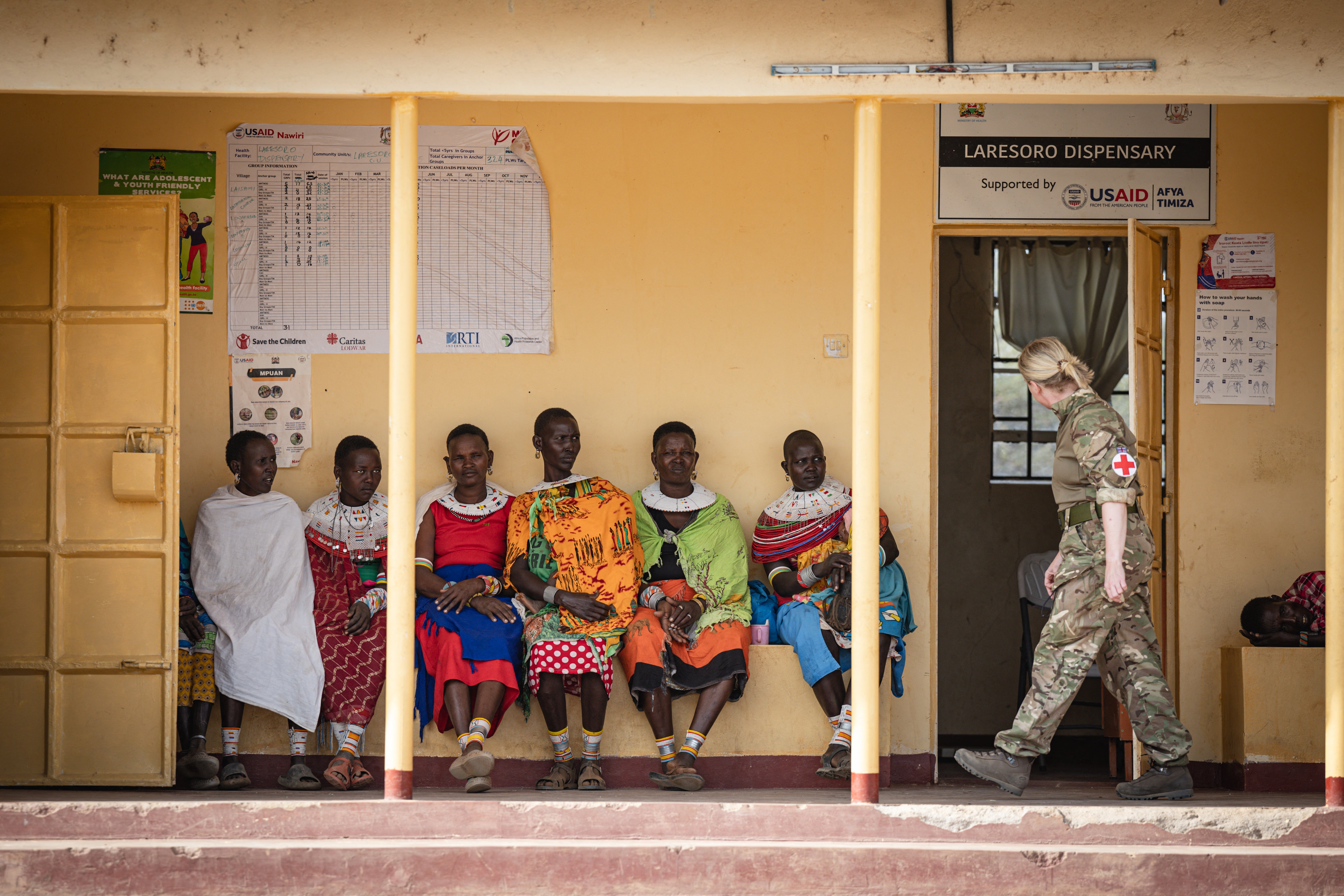
The consequences are already visible with MSI’s own data showing that as of March, 14 of the 16 African countries in which it operates reported being at risk of running out of at least one contraception method. Ms Shaw said the problem was not simply one of stock levels, but distribution networks that move contraceptives between health facilities have stopped functioning properly. Ministries of health that previously relied on USAID funded logistics no longer have the budget lines – in some cases, she said, even fuel, to keep supply chains moving.
The commodity funding gap for 2026 stands at $186 million across 54 countries, with 65 per cent of that concentrated in Democratic Republic of Congo (DRC), Ethiopia, Kenya, Madagascar, Malawi, Nigeria, Tanzania, Uganda, Rwanda and Zambia. Ms Shaw said other donors had not come close to filling the hole left by the US withdrawal. She said: “We are seeing national governments increase their own investment in family planning, which is fantastic, but the scale of which they can step up is a drop in the ocean compared to the scale of the loss.”
In Zimbabwe, the situation has been compounded by the withdrawal of a second major donor. MSI lost its US funding entirely, leaving 1.3 million women without access to contraception services. Sweden stepped in to cover most of that gap, but has since announced a complete withdrawal from Zimbabwe. Ms Shaw said: “Zimbabwe is a big, high-risk country for us. We are one of the biggest family planning providers there. If we’re not there, a lot of women are going to go without.”
In Ghana, MSI teams reported there had been no condoms available since late summer 2025. Civil society organisations eventually secured the release of a consignment that had been held up in port over a dispute about import taxes. Shaw described it as emblematic of a system under pressure at every level.
The longer the shortage continues, Ms Shaw said, the more entrenched the consequences become: higher rates of unintended pregnancy, more school dropouts, more unsafe abortions, more preventable maternal deaths. She conrineud: “Just because we’ve all stopped talking about it doesn’t mean the need isn’t still there. The need is growing on a daily basis.”
The Belgium stockpile, purchased with US government funds before the aid freeze, has become a focus of that frustration. Ms Shaw said the legal situation was straightforward and bleak and that the US owns the warehouse and the stock, but without its permission, the supplies cannot be moved.
“The fact that they won’t give permission – in the face of such widespread shortages and such desperate, life-saving need – sends a very clear message. This is really an ideological position,” she said. “This is about what they think about women’s place in society and what they think about reproductive health and rights.”
This article has been produced as part of The Independent’s Rethinking Global Aid project