










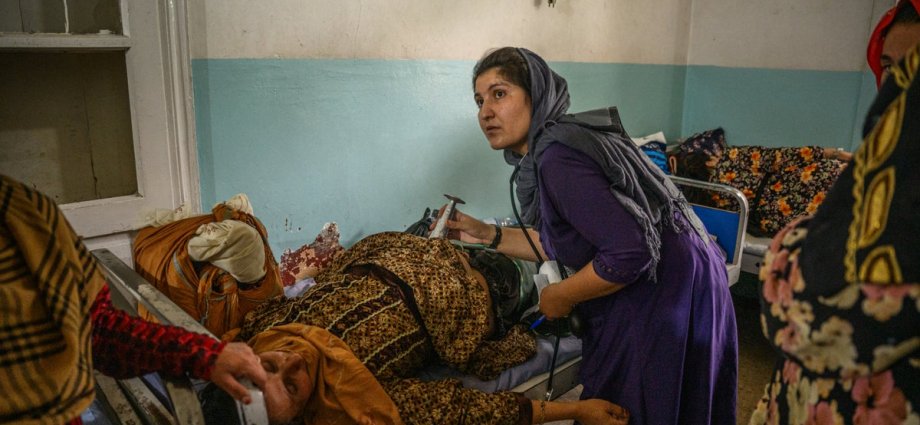
The midwife knew what was happening before the monitors confirmed it. The woman had come in pale, exhausted, her iron levels so depleted that what should have been a routine delivery had become a race against haemorrhage. In the end, her twins were stillborn.
“We thought the main issue for her complications in birth was the iron, folic acid and other nutrition items… the scarcity, the malnutrition of the mother,” says a health professional in Afghanistan working on maternal and child health, who asked not to be named because of the political sensitivities of working with the Taliban-run health system.
They tell The Independent they have seen cases like this more often in the last year as the money has run out to procure the tablets, with aid cuts from countries including the US and UK making things more difficult. “Providing quality medicines needs a lot of money. The health system in Afghanistan is a fragile system, because it runs almost entirely on international aid, and shortages have obviously worsened following aid cuts.”
Iron and folic acid tablets cost around £1 for a month’s supply in the UK, yet despite the very low price, they rarely feature in debates about global health funding. Yet research published by the London School of Hygiene and Tropical Medicine in April drew a direct line between anaemia and women dying in childbirth. Analysing data from more than 15,000 women who gave birth across the globe, researchers found that anaemia significantly raises the risk of postpartum haemorrhage, which is the leading cause of maternal death globally.
“Women with anaemia are particularly vulnerable to negative birth outcomes, such as stillbirths, postpartum haemorrhage and death,” Dr Judith Lieber, a research fellow at LSHTM and lead author of the paper, says. The researchers called for better anaemia prevention programmes, including treatment before and during pregnancy.
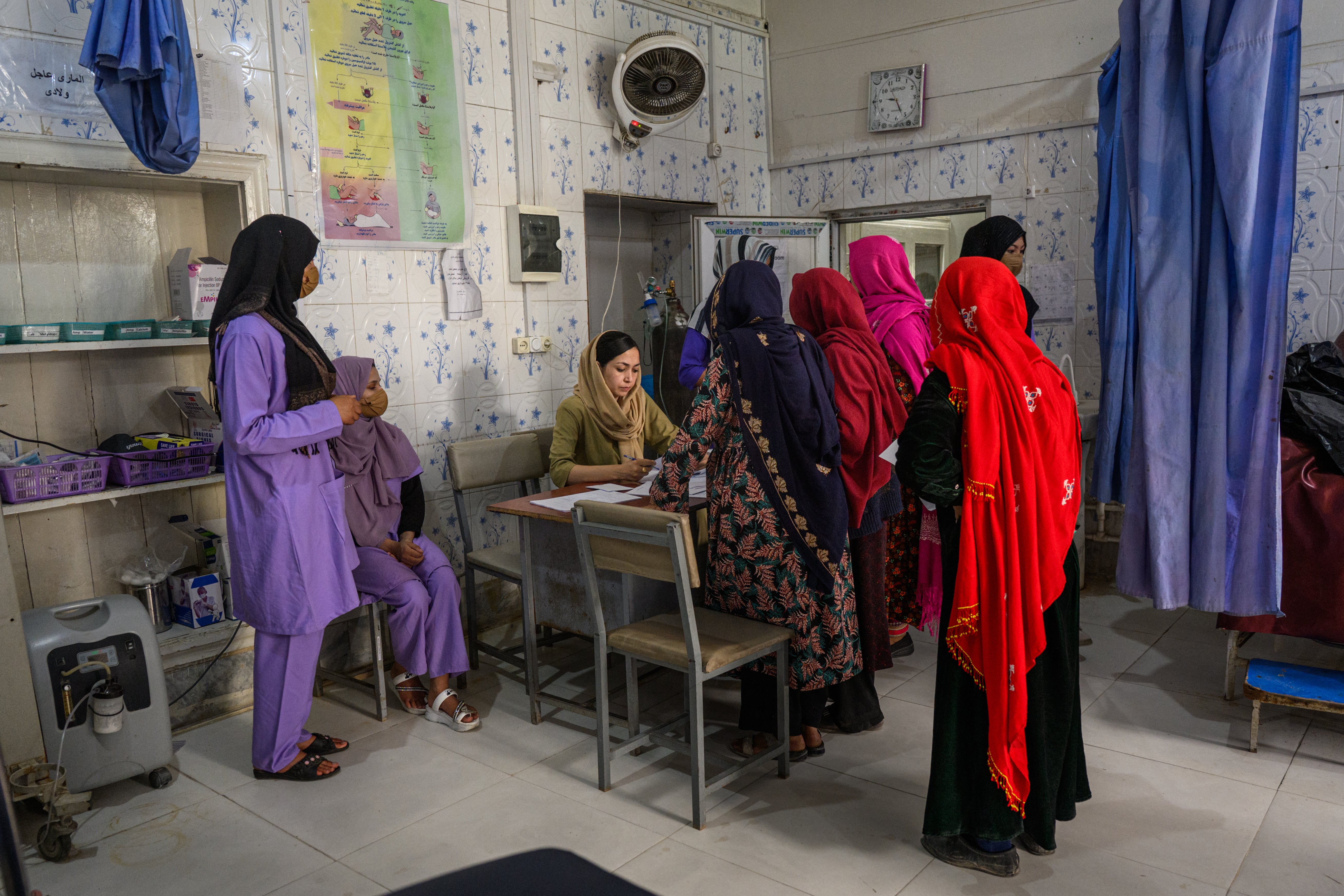
Now data obtained exclusively from The United Nations Population Fund (UNFPA) – the UN’s sexual and reproductive health agency – shows the scale of what is happening to the supplies that help prevent women from becoming anaemic in the first place, starting before the latest aid cuts kicked in. Procurement of folic acid fell 62 per cent between 2024 and 2025, from $1.09m (£816,000) to approximately $414,000. Reproductive health kit shipments, which contain iron and folic acid tablets for clinical delivery, fell 53.5 per cent, from $3.27m to $1.52m. A UNFPA spokesperson acknowledges the decline is “partially attributable to changes in the funding environment”.
The majority of those supplies go to crisis-affected and low-income countries, with Afghanistan among the countries receiving both iron and folic acid supplies from UNFPA. Crisis-affected and low-income nations are where, according to a joint UN report published in April, nearly two-thirds of all maternal deaths now occur. The UNFPA spokesperson adds that annual procurement volumes fluctuate and the figures don’t necessarily indicate programmes being completely cut. Overall individual iron supplementation procurement rose over the 2024/2025 period, but the agency confirmed the folic acid fall is a real reduction in supply and not a switch to different tablet formulations.
A senior specialist on maternal and newborn health for the International Rescue Committee humanitarian organisation says that while she had not yet seen formal data from country programmes on iron or folic acid shortages specifically, but that anecdotally, anaemia prevalence is rising – driven by both aid cuts and global supply chain disruptions.

When the United States – which previously accounted for nearly half of all humanitarian funding in Afghanistan – suspended its support in January 2025, the consequences were immediate. According to OCHA, the UN agency for humanitarian affairs, the number of closed health facilities surged from 188 in February to more than 420 by May, leaving nearly three million people without access to basic healthcare. The health professional in Afghanistan adds that funding for supplies had fallen by “close to 50 per cent” across the past year, leaving clinics without “the financial capacity to ensure that everyone is receiving the tablets”.
In Afghanistan, AFGA – the Afghan Family Guidance Association, a member of the International Planned Parenthood Federation – say they were forced to suspend around 45 to 50 health facilities within 24 hours when US funding was cut in January 2025, and many are still closed.
When supplies run short, the health professional says, health workers ration what they have or tell women to buy tablets themselves. But in a country where 65 per cent to 70 per cent of people have to pay for healthcare out of their own pockets, many don’t.
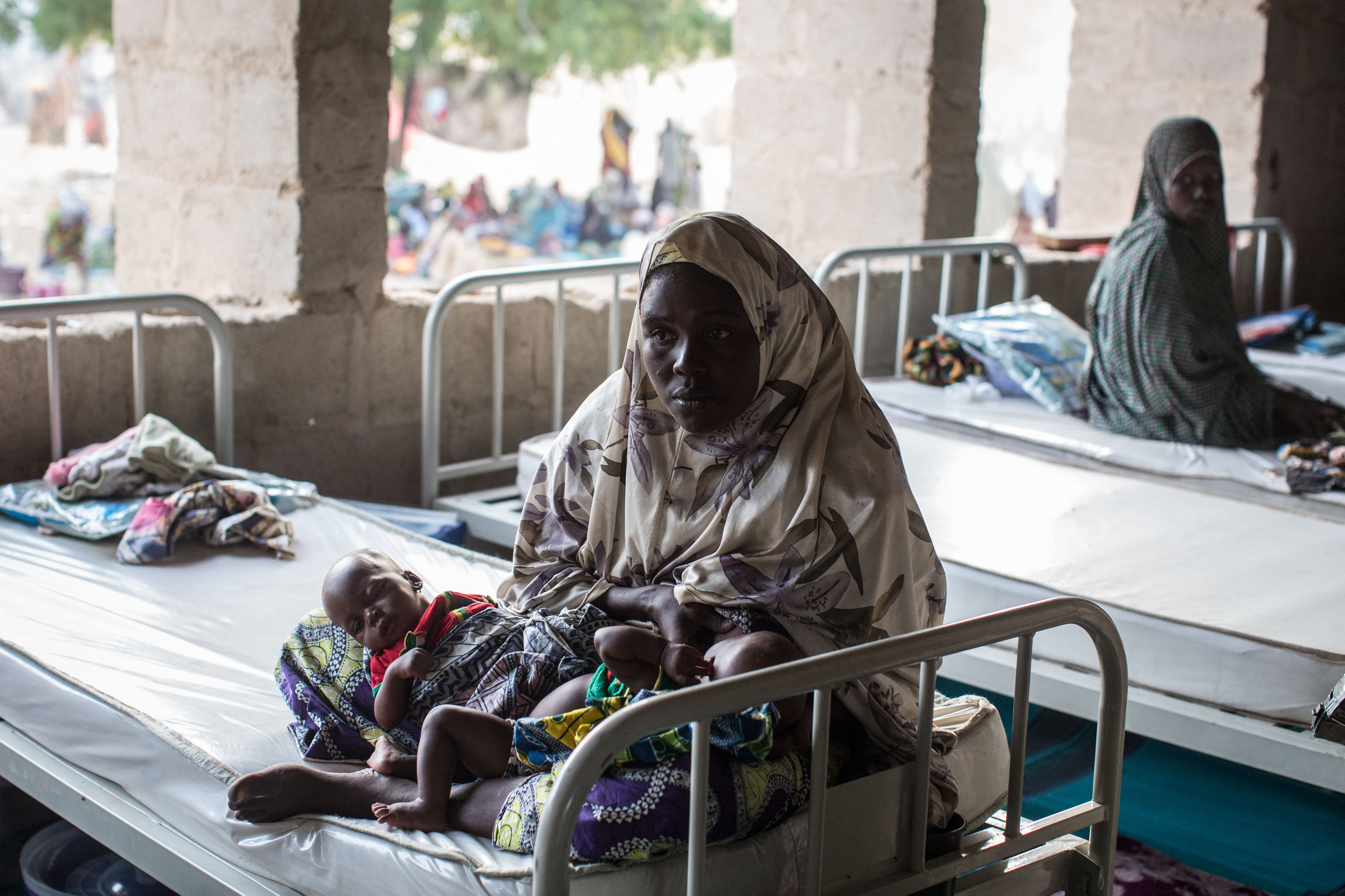
The pattern extends around the world. In Nigeria, home to one of the world’s highest maternal mortality burdens, the charity Médecins Sans Frontières (MSF) warned last month that funding cuts are threatening an already fragile healthcare response. Teams said they regularly see women arrive with severe complications including obstructed labour and severe bleeding.
An estimated 260,000 women died in pregnancy or childbirth in 2023 [the last available full figures] – roughly one every two minutes. In the UN report published in April, it said that while maternal deaths had fallen 40 per cent between 2000 and 2023, progress had been slowing since 2016. At current rates, the global maternal mortality ratio would need to fall 15 times faster to meet the global goal of reducing the maternal mortality ratio to less than 70 per 100 000 live births by 2030. Aid cuts, the agencies warned, risk reversing what gains there are. “Solutions exist to prevent and treat the complications that cause the vast majority of maternal deaths,” says the director general of the World Health Organisation (WHO), Tedros Adhanom Ghebreyesus.
For the health professional in Afghanistan, the cruelty is clear. “These tablets are very cheap. It’s the difference between life and death for some women and it would be very cheap to provide, but that’s not happening,” they say. “As a health professional, this is making a bad sense for me, for my team and for the people we are working with in the health system. You understand the situation, you know the solution. But there is no opportunity for you to do so.”
This article has been produced as part of The Independent’s Rethinking Global Aid project