






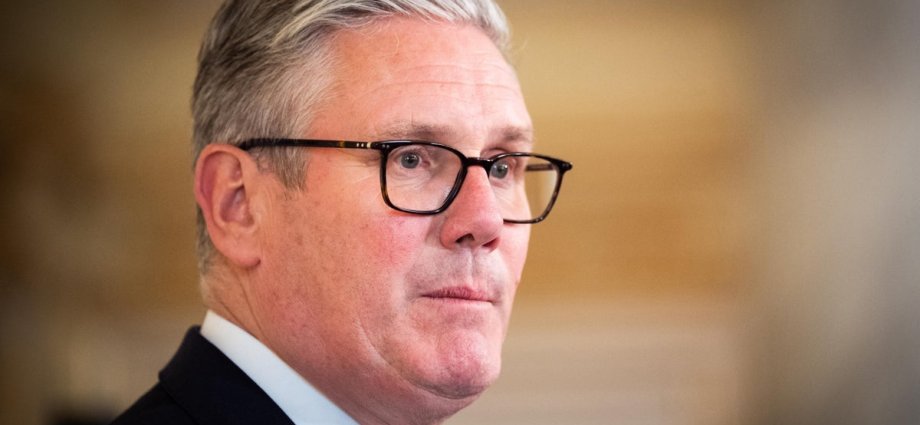
Sir Keir Starmer has been accused of of “letting down” Ukraine after the UK quietly relaxed sanctions on Russian crude oil in a move which critics fear will be a major boost to Vladimir Putin.
The move was condemned by senior Labour MP Dame Emily Thornberry, chair of the Foreign Affairs Select Committee, and branded “insane” by Tory leader Kemi Badenoch – coming at a time when Sir Keir’s energy secretary Ed Miliband is blocking the UK from drilling for its own oil and gas reserves.
The government previously said it would block Russian oil refined in third countries in a bid to “further restrict the flow of funds to the Kremlin”.
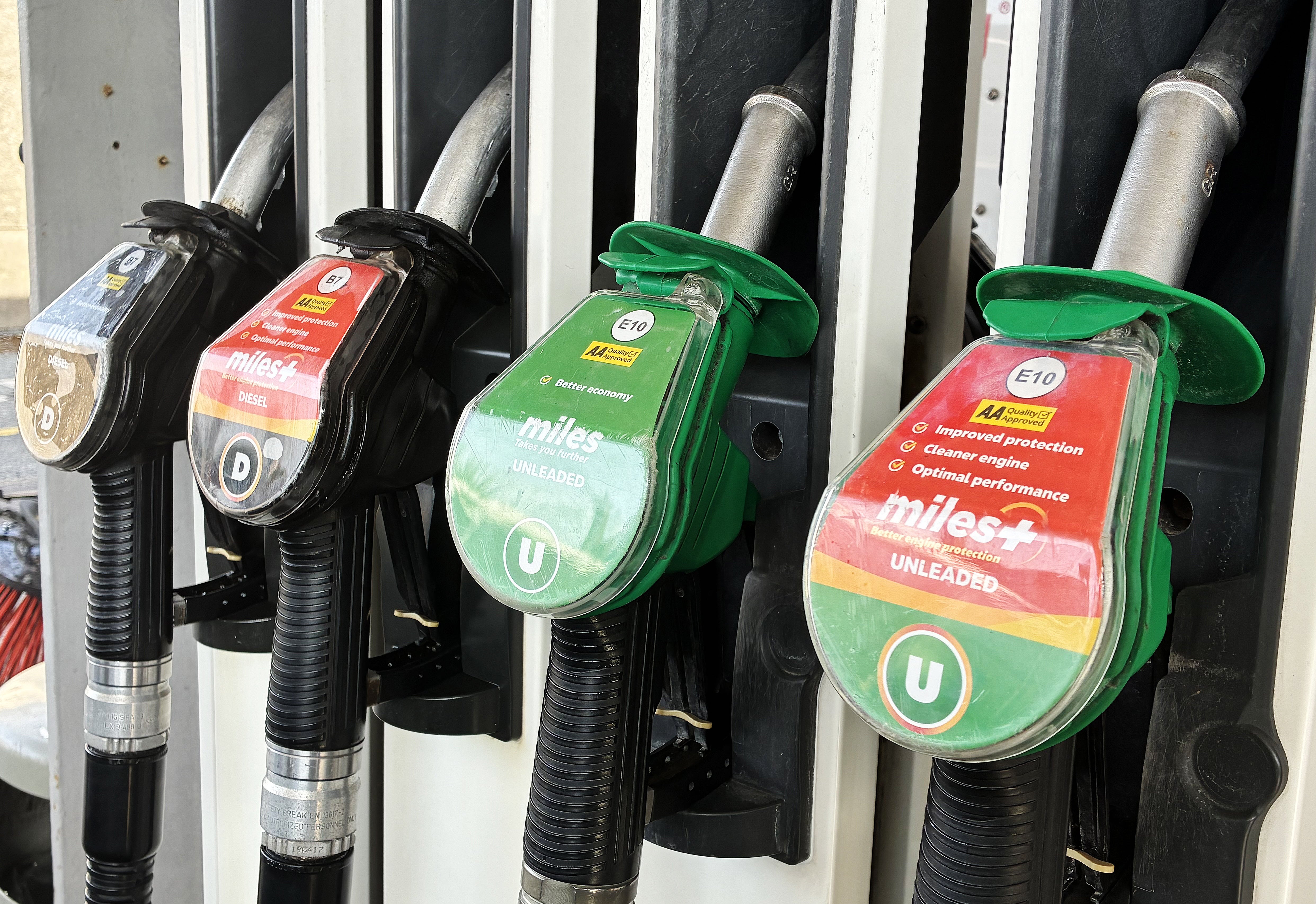
But, with prices surging as a result of the Iran war, Sir Keir has shifted his stance and will now allow for the import of jet fuel and diesel refined in third countries.
Ministers have sought to defend the measures as “protecting the UK national interest” with the closure of the Strait of Hormuz and the ongoing crisis in the Middle East causing costs to soar.
But Dame Emily hit out at the government’s decision and said the people of Ukraine have been “very let down” by the move.
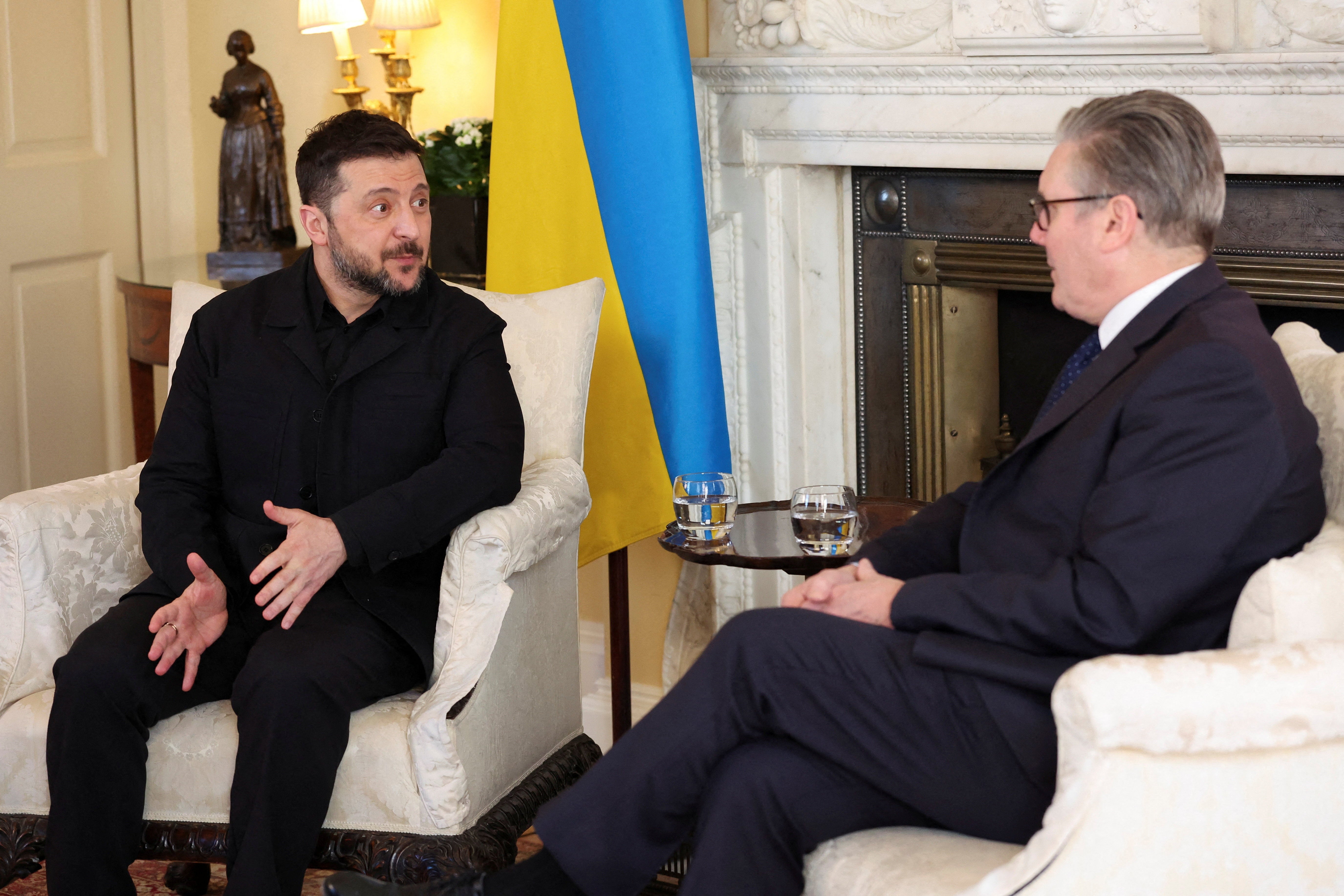
“We are talking about our allies in Ukraine who have been fighting a war bravely against Russia for years and years with our support,” the Labour MP told BBC Radio 4’s Today programme.
“They have looked to Britain as one of their most important allies, and they don’t understand, given that we promised that we would stop this loophole in October, and we still haven’t done it. In fact, it seems to have got worse. People feel very let down.”
Ukrainian MP Oleksiy Goncharenko said the decision puts a “question mark” over the UK’s friendship with Ukraine, as he warned it shows Russian that “everything can be bought and everything is at sale”.
“I’m deeply disappointed,” he told Times Radio. “One of the things which we felt in Ukraine very strongly was that United Kingdom was always supporting Ukraine on the very high level, and we were appreciating it very much. And that was important part of our also resilience, knowing that there are real true friends in countries like UK, which supported us really seriously.
“And now that this decision puts it on the question mark because I really can’t understand it. I think it’s a wrong decision. I think that shows to Russia that in the end of the day, everything can be bought and everything is at sale.”
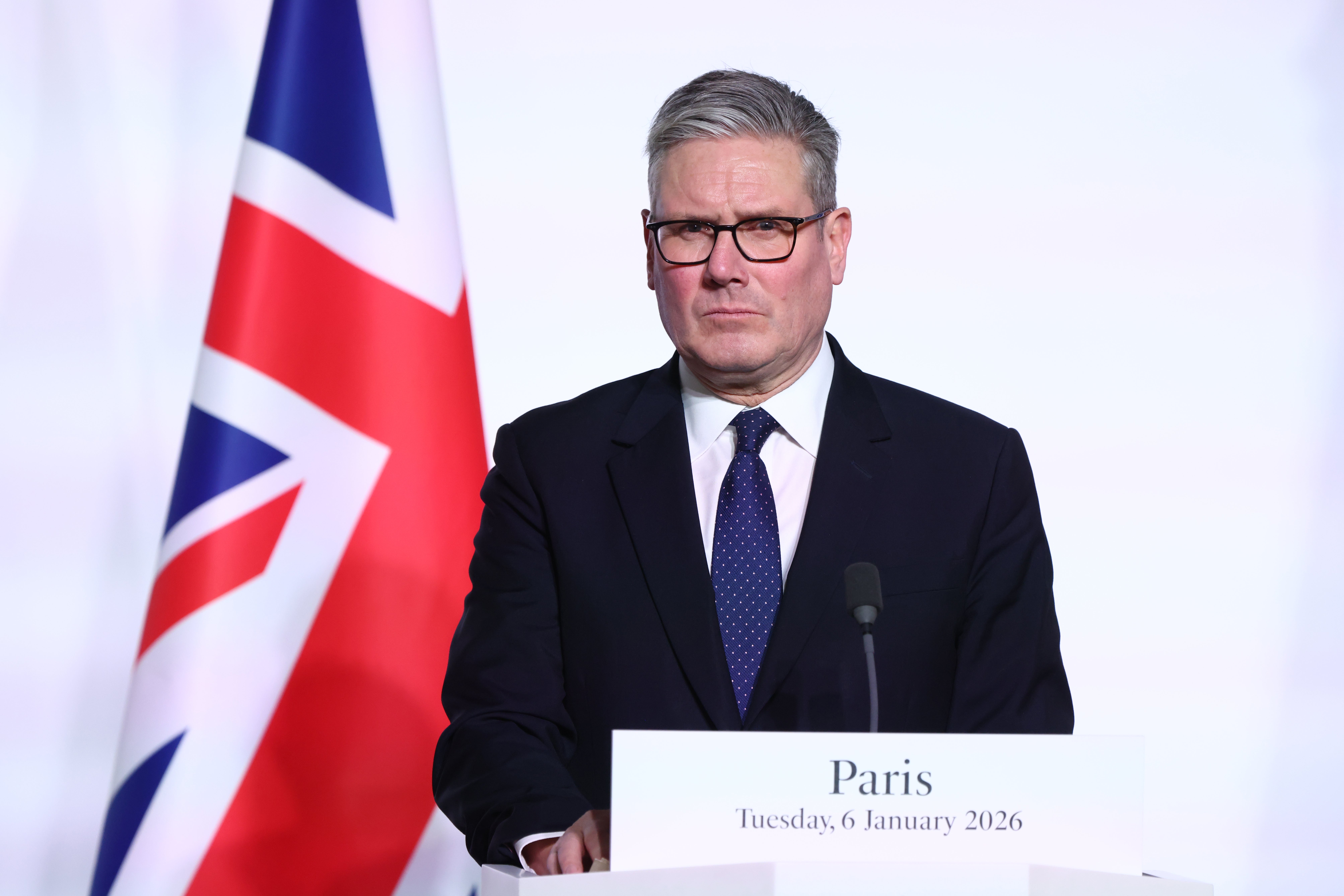
Tory leader Kemi Badenoch described the move to waive some of the sanctions as “insane”.
She posted on X: “After 18 months of ‘standing up to Putin’ the Labour govt quietly issued a licence allowing imports of Russian oil refined in third countries.
“Yesterday Labour MPs voted against UK oil and gas licences. We are now importing from Russia instead of drilling in the North Sea. Insane.”
Former defence secretary Grant Shapps told The Independent that the “embarrassing carve-out” was a “direct consequence” of the government’s energy policies.
“Since taking office, ministers have doubled down on policies that discourage new North Sea investment, making Britain more exposed to global supply shocks and more dependent on imported fuel. “That leaves the government in the absurd position of effectively allowing products refined from Russian crude back into the supply chain because they are worried about energy security and prices.
“A country serious about resilience would be producing more of its own energy, not creating the conditions for these kinds of embarrassing carve-outs.”
Lord Walney, the former Labour MP who previously served as Keir Starmer’s independent adviser on political violence, told The Independent: “It’s completely wrong. It sends the opposite signal to the one the government should be sending, which is actually to be more active and coordinated in the shadow Russian and Iranian oil campaign. Because these campaigns are interlinked and they directly fund malign activity here in the UK. And you cannot compromise national security to get a few quid off an EasyJet flight.”
John Foreman, associate fellow of the Russia and Eurasia programme at Chatham House, called the decision “appalling”, and warned it will “do little for UK consumers” while letting down Ukraine.
“Starmer has posed self righteously as the leader of the coalition of the willing for two years but under pressure he has caved,” he told The Independent .
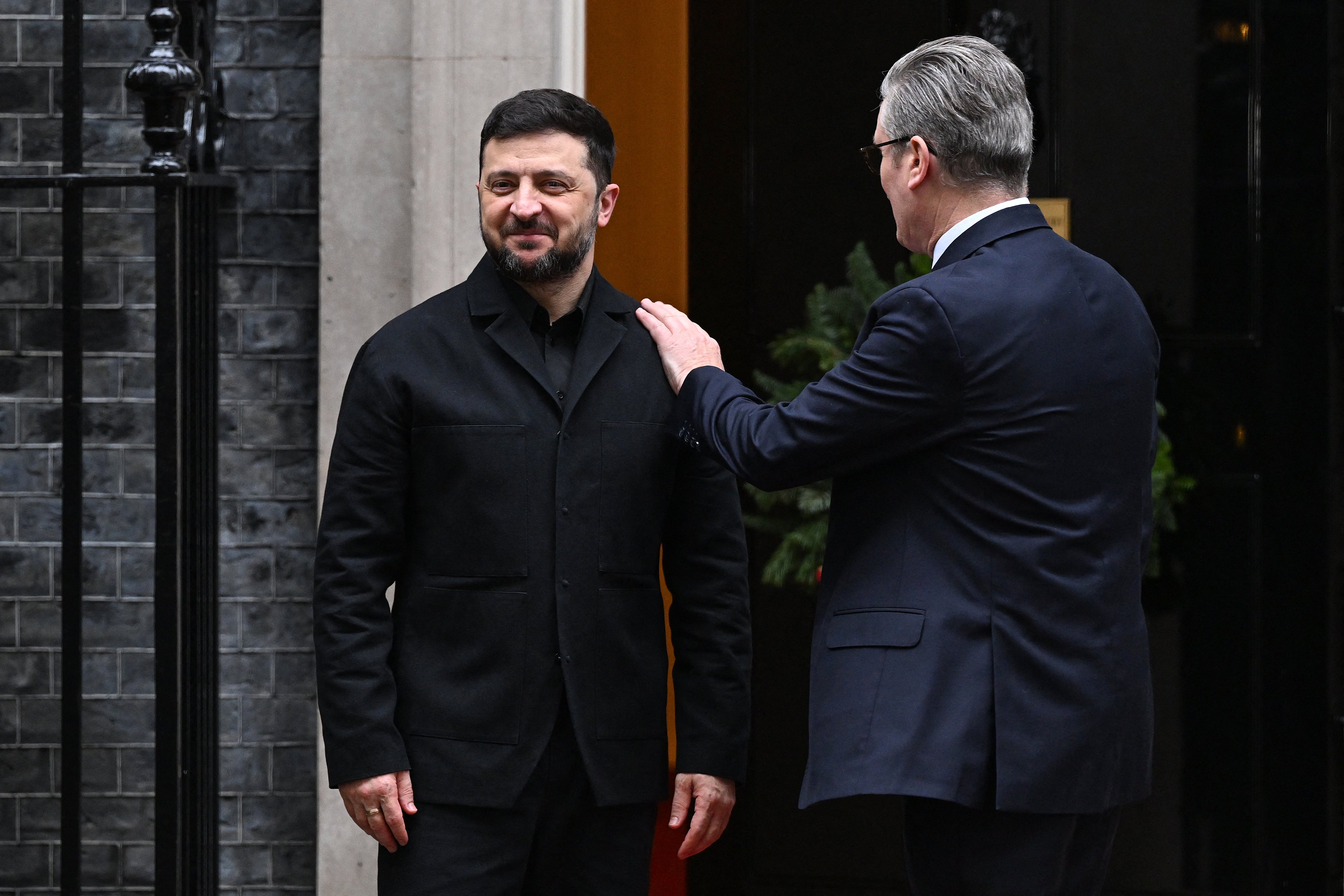
“A combination of moral vacuity and energy policy incompetence. Ukraine sacrificed on Ed Miliband’s high altar of Net Zero.”
Lib Dem leader Sir Ed Davey said there was a “trade off” to be made over cost-of-living pressures and support for Ukraine.
He told Sky News: “The government has a real challenge here, because this appalling war in Iran is pushing up the cost of living, is pushing up diesel and petrol prices.
“But we’ve also got to remember that we need to support our Ukrainian allies. They are fighting and paying a heavy, heavy price to beat that appalling Russian invasion, they’re on the front line of our defence and security, and the question is, has the government got that trade off right?”
He said his party would look at the detail of the proposal, adding: “We’re really, really worried if there’s any undermining of our support for Ukraine.”
US treasury secretary Scott Bessent, earlier this week, extended a 30-day sanctions waiver allowing the purchase of Russian oil shipments already at sea.
Sir Keir risked opening a fresh rift with Donald Trump earlier this year by vowing that Britain wouldn’t be following the US in lifting sanctions on Russian oil, saying that the move risks helping Putin’s “war machine”.
Just two months later however, ministers are being forced to defend the decision to ease restrictions on Russian oil.
Treasury minister Dan Tomlinson told Sky News: “When there are international conflicts, we’ve just been talking about the conflict in Iran, talking about the conflict in Russia … what we have to do as a government is make sure that we’re protecting the UK national interest, making sure that this impact of conflicts that wash up on our shore, that we’re protecting individual families.”
He later added: “The government has announced yesterday this time-limited change to the rules around oil and refining given the extremes of the impacts of the conflict in Iran, and the impact of it washing up on our shores.”
A new trade licence allows these imports “indefinitely” and specifies that the sanctions carve-out will be periodically reviewed as fuel prices continue to rise.
It comes amid new figures showing petrol prices have eclipsed the previous high set during the Iran oil crisis.
On Tuesday, the RAC said the average price of a litre of petrol at UK forecourts stands at 158.5p, which is the most expensive it has been since December 2022.
Following the beginning of the conflict in the Middle East on February 28, the price had previously peaked at 158.3p on April 15.
It has been widely reported that, on Thursday, chancellor Rachel Reeves will abandon her plan to increase fuel duty from September.
She announced in her November 2025 budget that the 5p per litre fuel duty reduction – introduced by the Conservative government in March 2022 – would be extended until the end of August 2026, with rates then gradually returning to previous levels over the next five years.
The Treasury has been contacted for comment.