







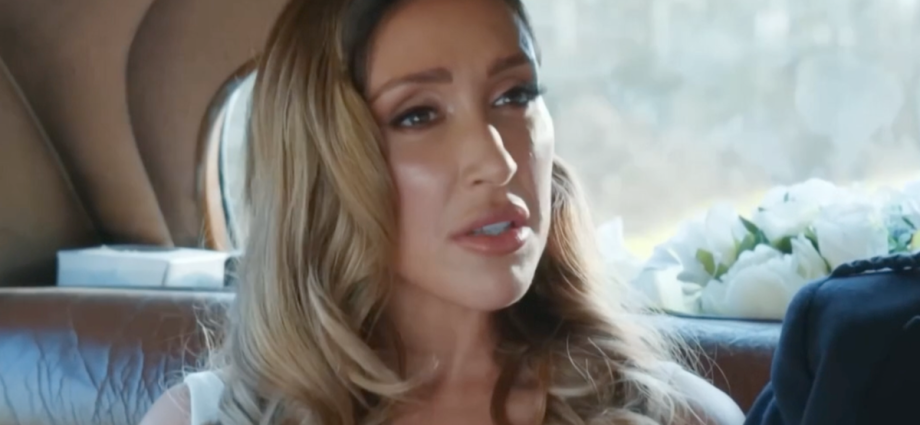
It was billed as a “social experiment”. In each season of Married at First Sight, a lineup of hopeful singles walk down the aisle to be greeted by a complete stranger, someone who has supposedly been selected as their perfect match. A mock wedding ensues – and the “newlyweds”, two people who have never previously laid eyes on each other, then proceed to move in together to see if they can make their relationship work. And throughout every tentative kiss, stony silence and explosive row, the cameras are rolling.
As far as dating shows go, it is a high-stakes, high-emotion format – and one that pulls in a lot of viewers. In September 2024, the UK version of MAFS (as it is known by its aficionados) was the most-watched show on a British commercial broadcaster’s streaming platform, clocking up a staggering 1,200 years worth of viewing time over that month.
That same year, the season’s opening episode became E4’s most-watched launch for viewers aged between 16 and 34. But this week, a set of harrowing accusations from former MAFS UK participants has cast a dark shadow over the series. In a BBC Panorama investigation, which aired on Monday evening, two women alleged that they were raped by their onscreen partners during filming, while another claimed that she was subjected to a non-consensual sex act. All episodes of the show have since been pulled from Channel 4 platforms.
One of the women, whom the BBC referred to as “Lizzie” in order to retain her anonymity, told the programme that sex with her partner turned violent quickly, and that she was often left bruised. But, she claimed, she was too scared to speak out, because “he said that if I told anybody what had happened, that he would get someone to throw acid at me”. One evening, she said, he tried to have sex with her – and when she told him that she didn’t want to, he responded: “You can’t say no, you’re my wife”.
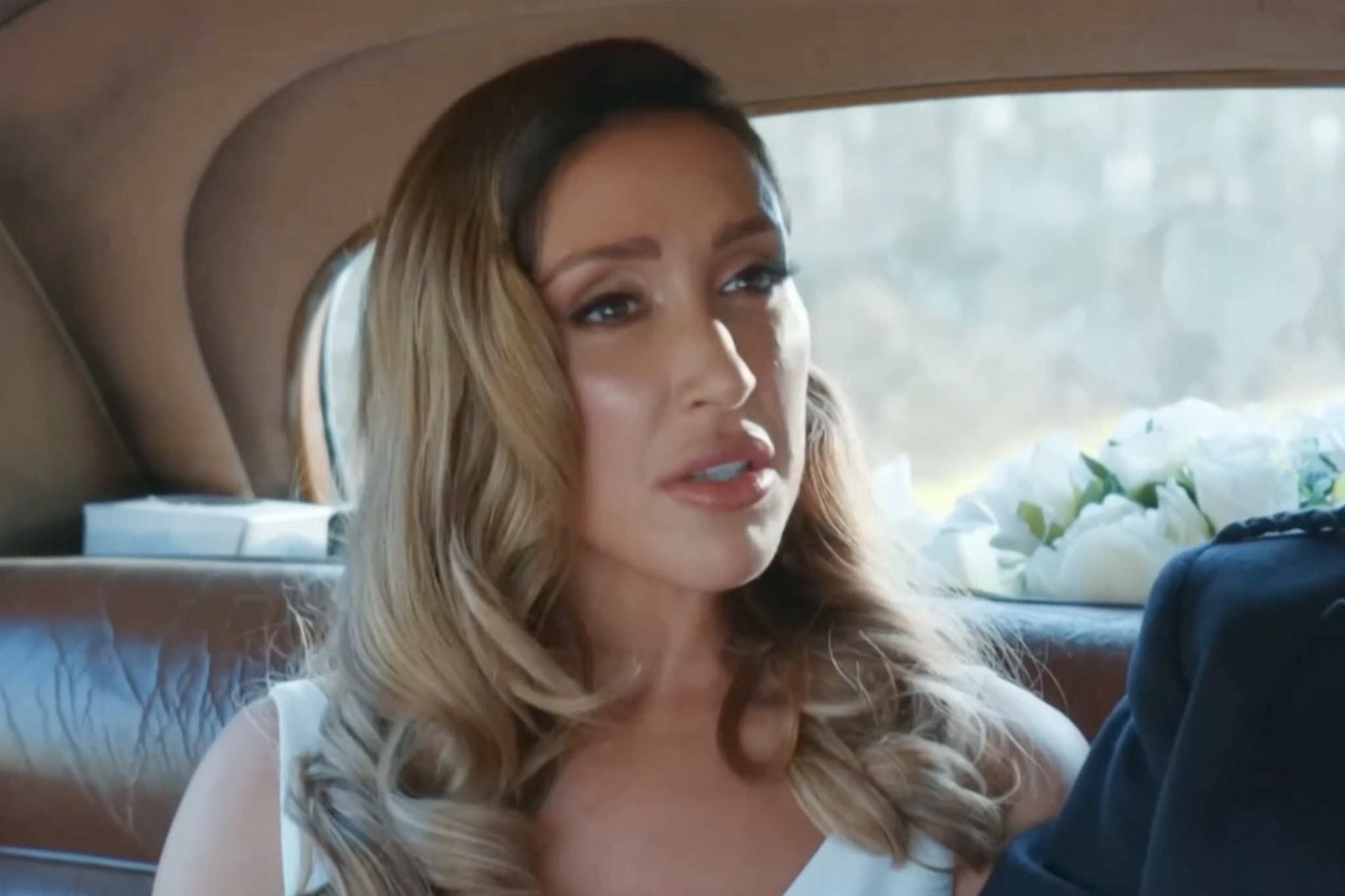
Lawyers for her onscreen partner told the BBC that he denies rape and that their sexual contact had been consensual, while lawyers for production company CPL, which makes MAFS UK, said that Lizzie didn’t tell them about her partner saying that she couldn’t refuse sex with him, and that his acid-throwing comment was noted as a passing remark rather than a threat. They also said that CPL acted immediately once “Lizzie” told production that she was feeling unsafe.
Another woman, called “Chloe” by the BBC, said that while her sexual relationship with her partner had begun consensually, there was one incident in which he ignored her “no” and “smirked and climbed on top of me, moved my leg”. She alleges that she told CPL and Channel 4 about the alleged rape before her series was broadcast, but the episodes were still aired.
Lawyers for her onscreen husband said that they stopped having sex when her body language showed that she was not consenting, while CPL’s lawyers said that the company followed welfare protocols and took Chloe’s concerns seriously during filming, and that she was supported afterwards; they added that before the allegation was made, she told CPL that all sexual activity with her partner was fully consensual.
The third woman, Shona Manderson, appeared on MAFS UK in 2023 and waived her anonymity to speak to Panorama. She claimed that her partner, Bradley Skelly, had ejaculated inside her without her permission; lawyers for Skelly said that he categorically denies “any allegations of sexual misconduct” or that he was “controlling” during their relationship.

Watch Apple TV+ free for 7 day
New subscribers only. £9.99/mo. after free trial. Plan auto-renews until cancelled.
ADVERTISEMENT. If you sign up to this service we will earn commission. This revenue helps to fund journalism across The Independent.
Watch Apple TV+ free for 7 day
New subscribers only. £9.99/mo. after free trial. Plan auto-renews until cancelled.
ADVERTISEMENT. If you sign up to this service we will earn commission. This revenue helps to fund journalism across The Independent.
CPL have said that their welfare protocols were “gold standard”, while Channel 4 has confirmed that it commissioned an external review into the welfare of MAFS UK participants in April. “In April, Channel 4 was presented with serious allegations of wrongdoing against a small number of past contributors, allegations that we understand those contributors have denied,” the broadcaster said in a statement yesterday.
The channel also said it believes that “when concerns related to contributor welfare were raised through existing welfare and production protocols, prompt and appropriate action was taken, based on the information available at the time”, and said it “strongly refutes any claim to the contrary”.
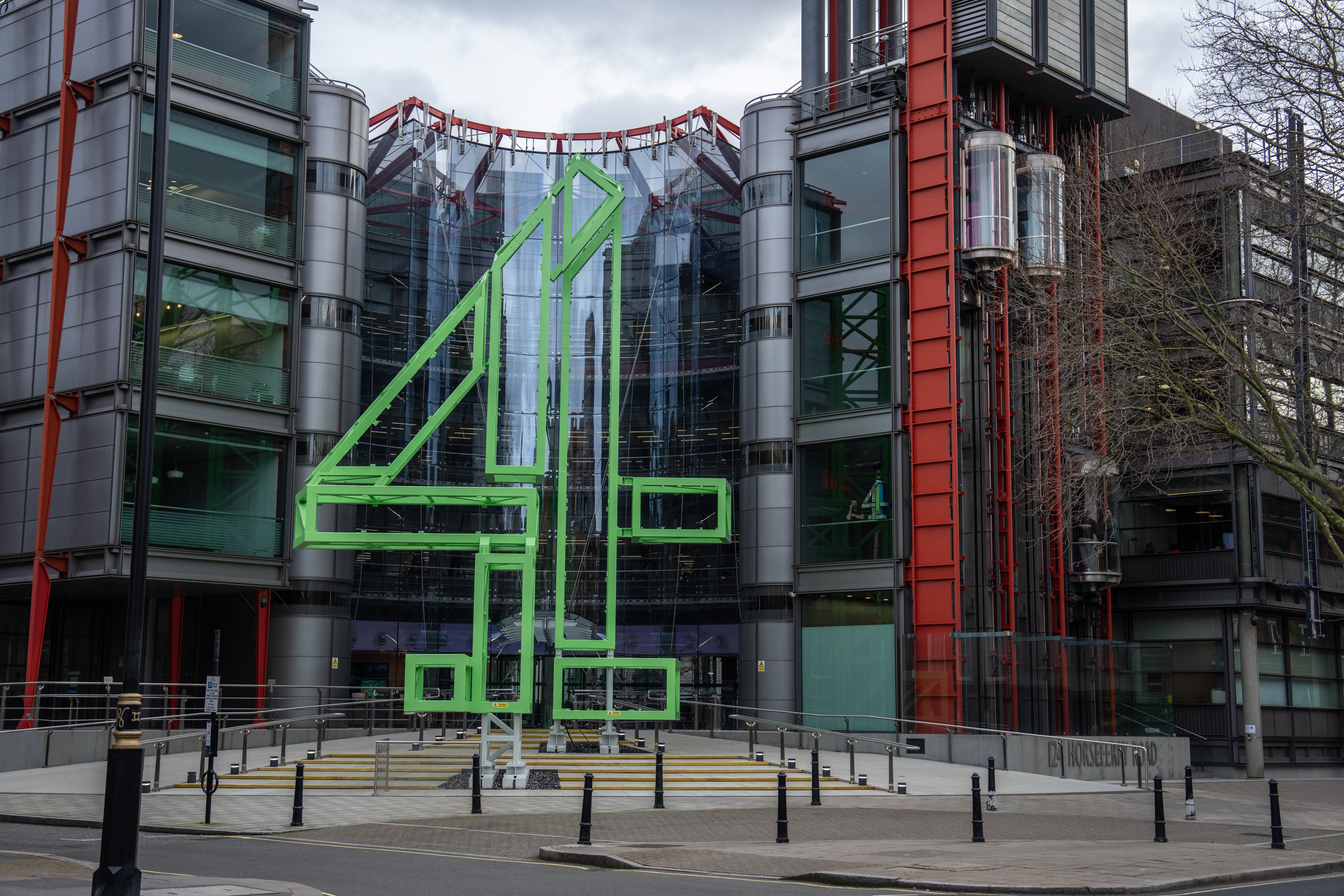
The claims put forward in the Panorama documentary serve as a sobering reminder that in the world of reality TV, it can be very hard to square ethics with entertainment. In 2021, the MAFS UK format got a major revamp, switching from a documentary approach to bring it in line with the more dramatic Aussie version, with its boozy dinner parties and group “commitment ceremonies”, in which the couples air their dirty laundry in front of their fellow participants and the show’s panel of experts. This MAFS makeover seemed to put the emphasis squarely on drama and confrontation – and the viewing stats show that audiences lapped it up.
While Channel 4 has said that the show is produced under “some of the most comprehensive and robust welfare protocols in the industry”, there is no denying that the format itself – throwing two people into close quarters, with the hope that a romantic, physical relationship will bloom quickly – must be a difficult one to police.
Dame Caroline Dinenage, the chair of the House of Commons, Media and Sport Committee, put it starkly in an interview with BBC Radio 4’s Today programme on Tuesday. “It’s a TV show that almost expects and anticipates people that have only just met each other will have to become really quite intimate with each other,” she said. “They’re expected to share a bed and a life together within minutes of meeting – it almost feels like an accident waiting to happen.”
They’re expected to share a bed and a life together within minutes of meeting – it almost feels like an accident waiting to happen
Dame Caroline Dinenage
Extreme scenarios have long been normalised in the world of reality TV – to such an extent that we, the audience, don’t really think twice about the potentially problematic situations in which participants are placed for our viewing pleasure. “They go on honeymoon, they share a bed, in this kind of bubble of intimacy under the glare of a TV camera,” Dinenage added. “In the cold light of day, it really is quite horrifying, isn’t it?”
And MAFS is not the only reality show to have prompted concerns. Far from it. The debate over ITV’s dating show giant Love Island has raged for the best part of a decade, with debates bubbling up about the impact of the pressurised villa environment on contestants’ mental health, and how those contestants can be properly prepared for how their lives will change – for better and worse – when they fly back to the UK.
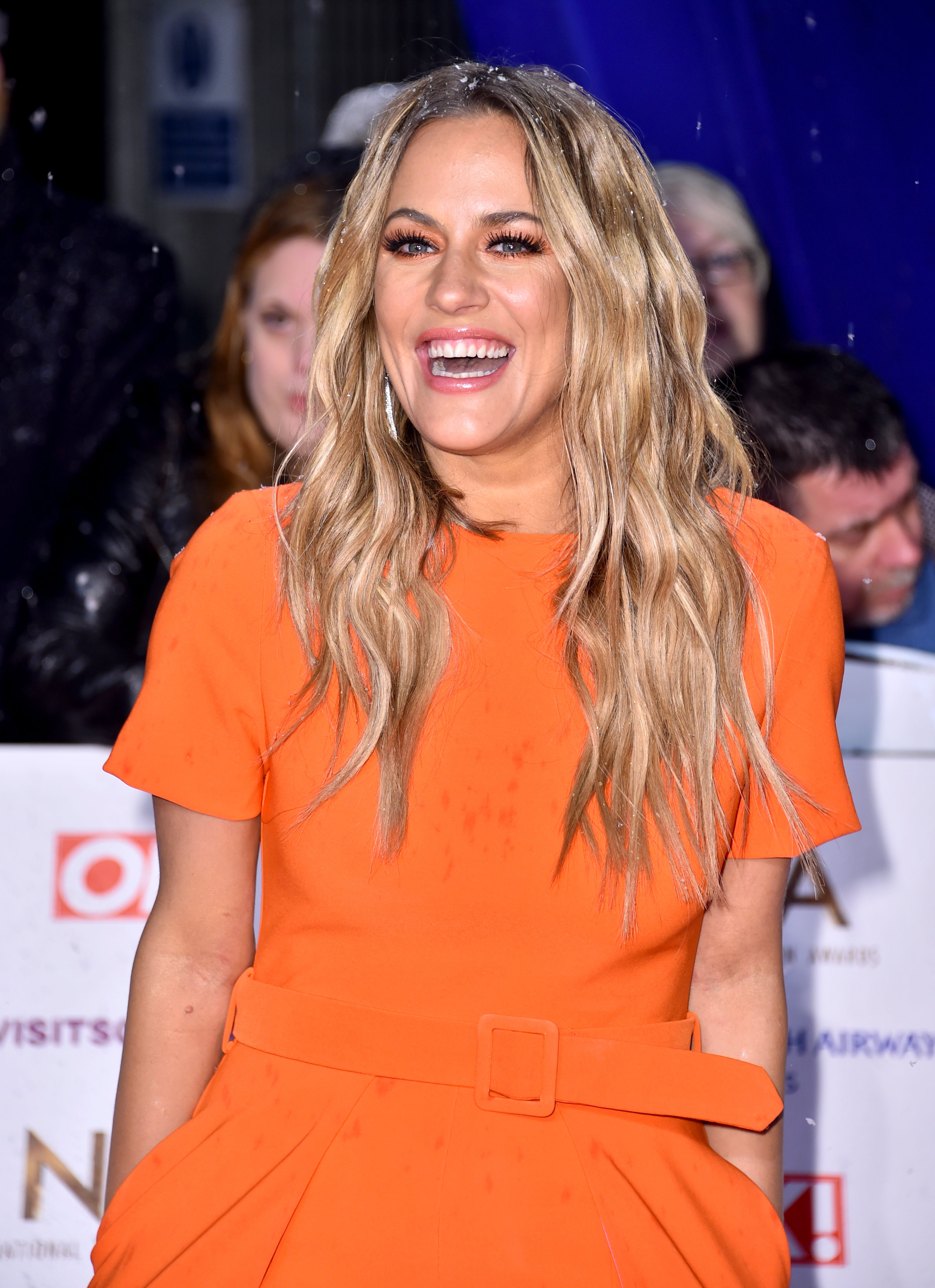
The deaths by suicide of two former contestants, Sophie Gradon and Mike Thalassitis, as well as the show’s presenter Caroline Flack, prompted further questions about whether the show could or should continue.
ITV and Love Island’s producers have since extended their duty of care procedures significantly; islanders now receive mandatory pre-show evaluations from a psychologist, as well as multiple post-show therapy sessions and 14 months of aftercare contact, plus training on finances and navigating social media trolling.
And yet, by its very nature, it can still make for uncomfortable viewing. Sometimes the drama is part of the appeal: one of the contestants playing off the affections of two islanders, for example. But what about when the drama takes on a darker feel, like in a handful of instances where contestants appear to be gaslighting their partners, prompting charities like Women’s Aid to criticise the show?
Even when a reality show does not have relationships at its heart, there is still the potential for participants to be placed in deeply troubling situations. In 2023, Lucy Spraggan, a contestant on talent contest The X Factor, another ITV juggernaut, revealed that she was raped by a hotel porter during the filming of the 2012 series of the show, after a night out to celebrate fellow contestant Rylan Clark’s birthday. “It was inappropriate for anybody – including contestants – to be drunk,” she told The Guardian. “How can you fulfil your duty of care when free alcohol is involved?”
Production company Fremantle said that although they “believed throughout that we were doing our best to support Lucy”, they were “extremely sorry” and have since “done our very best to learn lessons from these events and improve our aftercare processes”. ITV, meanwhile, said it was “committed to having in place suitable and robust processes to protect the mental health and welfare of programme participants”, and has “continued to evolve and strengthen our approach”.
Spraggan ended up abusing alcohol to block out the after-effects of this trauma and struggled with her mental health. She is now campaigning for a mental health pension scheme, whereby producers would place a percentage of a show’s budget into a special fund to provide ongoing, long-term access to mental health support for cast and crew.
Earlier this year, America’s Next Top Model fell under scrutiny when a Netflix series unearthed some dark truths about past behaviour on the show and the seeming lack of duty of care for many of the young women who appeared on it. Contestant Shandi Sullivan made disturbing allegations about her time in the competitions, which put one of the most memorable storylines in a worrying new light. Speaking on Netflix’s Reality Check documentary, Sullivan recalled how she and her fellow contestants had travelled to Milan to complete a challenge, then ended up drinking in a hot tub with some Italian men.
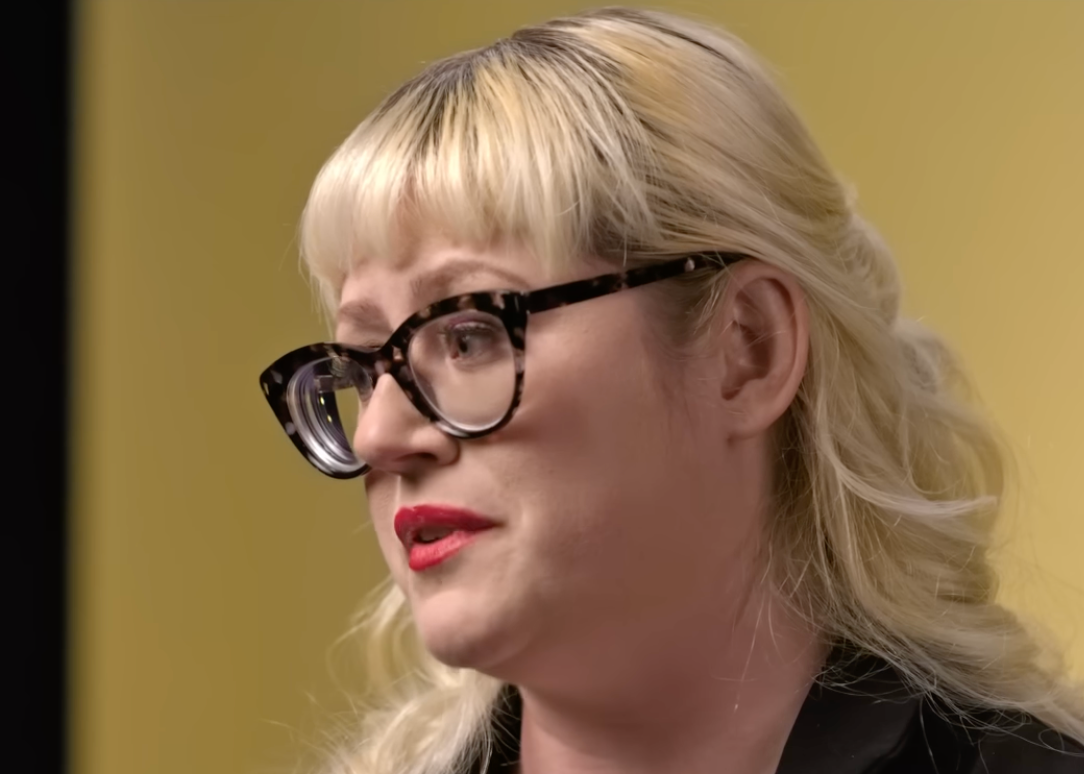
Sullivan alleges that she blacked out and the incident that followed, which was spun as a cheating storyline in the show, was actually sexual assault. A later episode even saw host Tyra Banks upbraiding her for cheating. Her account of quitting the show, the subsequent breakdown of her relationship and the public backlash she received was heartbreaking and utterly shocking.
Producers didn’t step in when she was drunk and things were obviously getting out of hand. Executive producer Ken Mok defended that decision by telling the Netflix show that “we treated Top Model as a documentary and we told the girls that. There’s going to be cameras with you 24/7, and they’re going to cover everything, the good, the bad, and everything in between.” The fact that that had potentially included an alleged criminal act which had shattered a young girl’s life, was left hanging in the air.
In 2021, the UK’s media regulator Ofcom introduced new safeguarding rules, requiring broadcasters to take due care for the wellbeing of TV show participants who might be at risk of harm or be made vulnerable as a result of taking part in the programme. This applies during the production process, when the show airs, and in the aftermath of that. It was certainly an important step forward. But was that too little too late? The bolting horse and the stable door spring to mind.
But it is also worth remembering that shows such as Married at First Sight are made to meet a demand – from viewers like you and me. If there were no market for shows that turn people’s personal lives into problematic soap operas, then they simply wouldn’t get commissioned. So many of us talk about reality TV as our “guilty pleasure”, a light-hearted salve allowing busy brains to switch off.
But perhaps we need to place more emphasis on the “guilty” part of that phrase, and start looking at our own culpability. Our TV bad habit might be doing more harm than we thought.
Rape Crisis offers support for those affected by rape and sexual abuse. You can call them on 0808 802 9999 in England and Wales, 0808 801 0302 in Scotland, and 0800 0246 991 in Northern Ireland, or visit their website at www.rapecrisis.org.uk. If you are in the US, you can call Rainn on 800-656-HOPE (4673).
If you are experiencing feelings of distress, or are struggling to cope, you can speak to the Samaritans, in confidence, on 116 123 (UK and ROI), email [email protected], or visit the Samaritans website to find details of your nearest branch
If you are based in the USA, and you or someone you know needs mental health assistance right now, call or text 988, or visit 988lifeline.org to access online chat from the 988 Suicide and Crisis Lifeline. This is a free, confidential crisis hotline that is available to everyone 24 hours a day, seven days a week. If you are in another country, you can go to www.befrienders.org to find a helpline near you.