






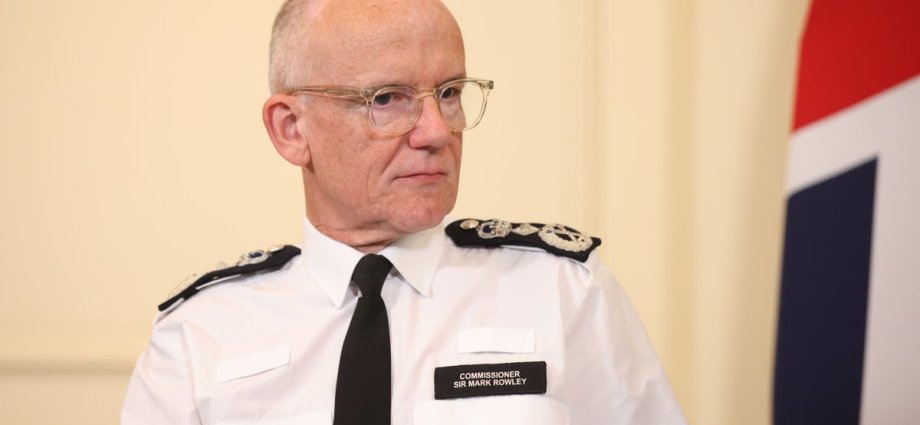
Britain’s most senior police officer has said that Zack Polanski sharing a post about the arrest of the Golders Green terror suspect will have a “chilling effect”.
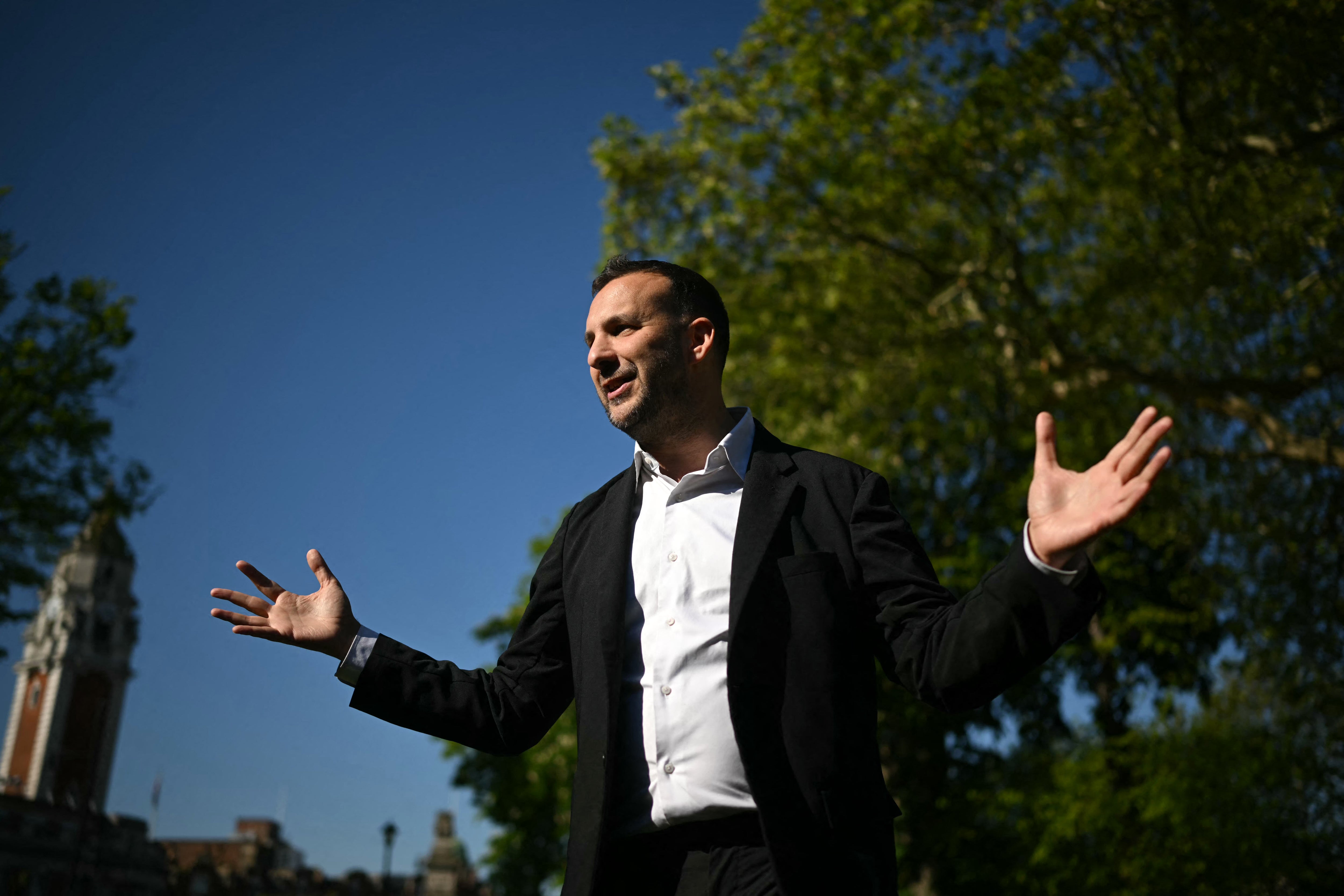
The Green Party leader retweeted an X post accusing officers of “repeatedly and violently kicking a mentally ill man in the head” when he was already incapacitated from being tasered.
But Metropolitan Police Commissioner Sir Mark Rowley said in a letter to Mr Polanski that he was “disappointed”, adding that the post was “inaccurate and misinformed”.
Sir Mark said that the officers “are nothing short of extraordinary” and added: “Without their efforts to stop him I dread to think what the outcome could have been.”
The suspect was named as Essa Suleiman, a 45-year-old British national born in Somalia who came to the UK legally as a child in the 1990s.
The letter in full
Dear Zack
I was disappointed to have seen your recent post on X amplifying a post that Met officers were “repeatedly and violently kicking a mentally ill man in the head when he was already incapacitated by taser’.
I am disappointed because it is this kind of inaccurate and misinformed commentary — with its associated casual disregard for the incredibly challenging and dangerous work police officers do to protect the public — that is contributing to the rising tensions we are seeing in society and undermines officer confidence to act.
It is entirely possible the author of the post you retweeted had direct experience from the scene, or has years of experience handling complex, violent situation[s]. Yet I suspect the more likely scenario is that they [are] another armchair critic, who thinks they could do the job, possibly more effectively than the brave officers who successfully detained that individual.
Those officers are nothing short of extraordinary. They were on the scene within a few minutes, and their actions undoubtedly prevented further injury and saved lives. As I said yesterday the officers confronted a dangerous man, they believed to be a terrorist, who refused to show his hands, who was violent, and who continued to pose a clear threat. They were not armed officers, and they feared he was concealing an explosive device.
Using only their training, equipment and a substantial level of bravery and courage, they detained him while he continued to try and attack and stab them. Without their efforts to stop him I dread to think what the outcome could have been.
Apprehending violent and dangerous criminals is a full contact and messy task which may appear shocking to observers with little experience of policing in the real world.
London’s Jewish communities are scared. They have experienced a series of targeted attacks on the community, and they expect our officers to act, protect them. That is exactly what our officers did yesterday. Your decision to criticise these officers, using your public profile and reach will have a chilling effect.
Officers need to know that when they act to protect Londoners decisively, they will be supported. Officers know they must be accountable for their use of force and there are processes for this to happen. Your use of your public profile to call their actions into question, hours after a terrorist incident is not the appropriate route.
Free speech is an important facet of a democratic society. We both agree on that. But against a backdrop of global instability and heightened tensions, the right approach in this situation is to show compassion, lower tensions and not inflame them further by amplifying more ‘us and them’ rhetoric.
We have significantly stepped up our activity across the capital in recent weeks, and in the hours and days following the attack in Golders Green three weeks ago we have seen communities come together to reject hatred and violence.
That solidarity matters, and at this moment we need politicians and community leaders to be at the forefront of it, not only condemning the horrific attacks but by taking leadership in confronting antisemitism and permissive rhetoric, lowering tensions and backing those who are willing to step in to protect the public and reassure the public.
Sir Mark Rowley