









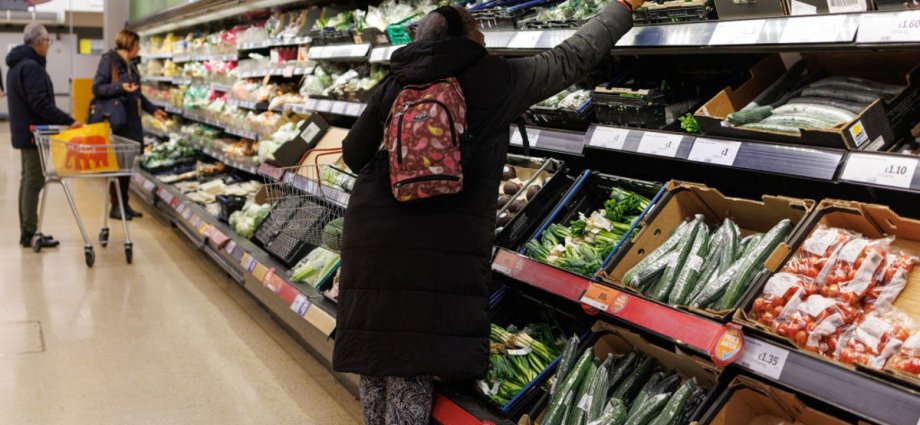
The “full force” of the Iran war will soon hit supermarket shelves, retailers warn, although shop inflation fell slightly in April.
Retailers say it is the calm before the storm, with soaring fuel prices poised to feed through to farmers, making it more expensive to breed livestock and grow vegetables.
Helen Dickinson, the chief executive of the British Retail Consortium, said: “While we’re yet to see the full force of the Middle East conflict feeding into consumer prices, it will not be long before it begins to.”
Shop price inflation in April actually fell year-on-year from 1.2 per cent to 1 per cent.
Retailers have made discounts on clothing, furniture and DIY goods in the face of weakening consumer confidence.
.jpeg)
Ms Dickinson added: “Retailers already face mounting cost pressures from domestic policies, with an extra £10bn a year added over the last two years from employment costs, packaging taxes and more. This will be compounded as rising fuel, fertiliser, and commodity prices begin to feed into business costs.”
Sir Keir Starmer is urging consumers not to panic, though he does host an Iran crisis committee on Tuesday to discuss with ministers what the government can do to mitigate financial pain.
He admitted that even after the Strait of Hormuz is reopened, that won’t be the end of the damage.
“It will go on longer than that,” he told Sky News. “And I think it’s really important that I level with the public that we are doing everything we can to get the Strait of Hormuz open, because obviously that is vital in terms of minimising the impact.”
Many consumers are still reeling from the inflation shock that hit when the Ukraine conflict began in 2022. Food and drink inflation hit 19.2 per cent in March 2023 due to energy costs and supply chain disruption.
Mike Watkins, head of retailer and business insight at market research firm NIQ, said: “Increased fuel prices are already leading to higher inflation, and we can expect a similar impact in the food and non-food supply chains in the months to come.
“However, retailers will look to hold back any price increases as long as possible as alongside fragile consumer confidence, accelerating inflation is likely to negatively affect consumer spending.”
The Food and Drink Federation (FDF) has forecast that food inflation could reach 10 per cent by the end of the year.