









The government is facing increasing calls to release its long-overdue defence investment plan amid rising global tensions following the US-Iran ceasefire.
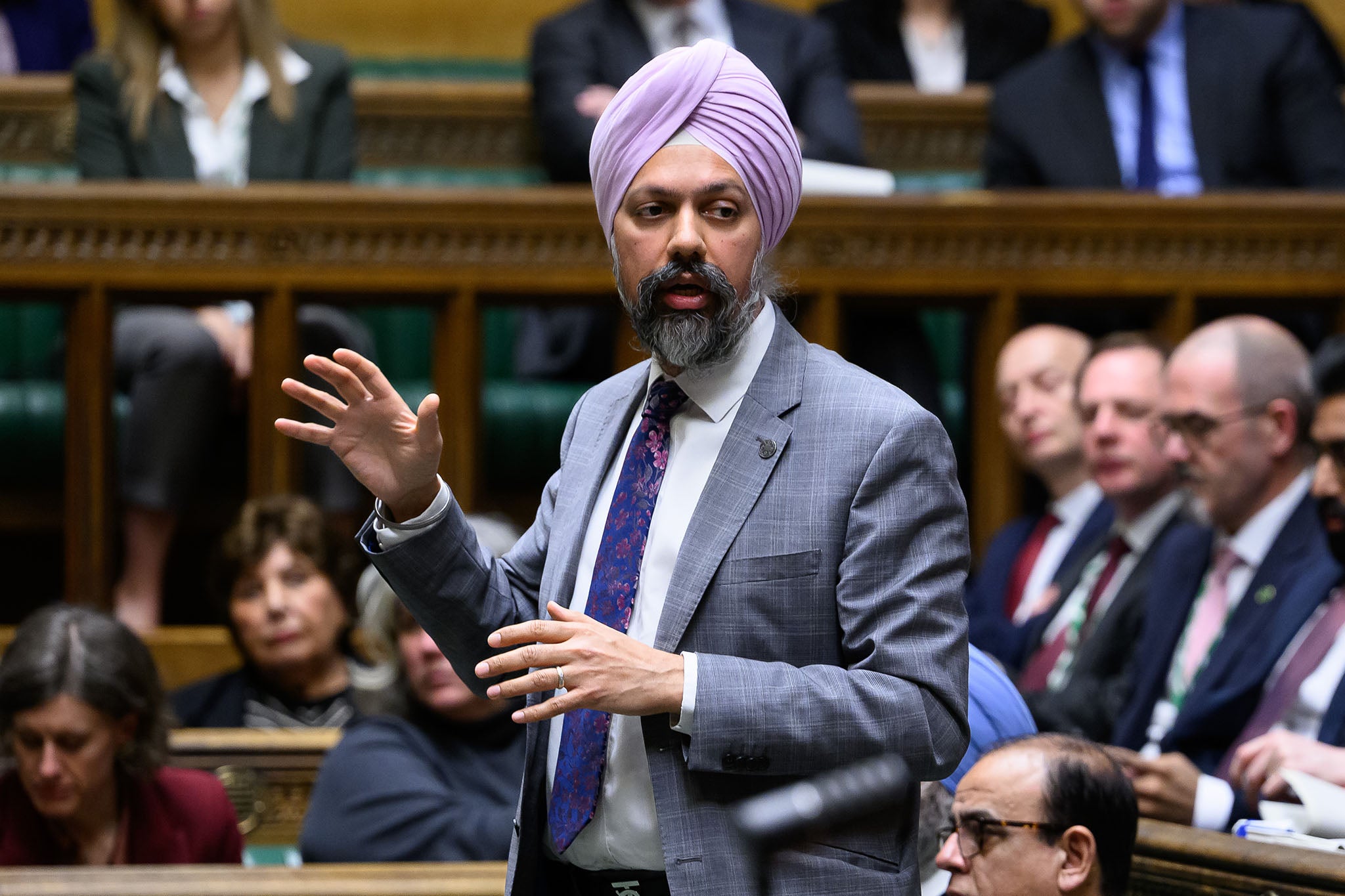
Kemi Badenoch has urged for the spending document to be unveiled next week, while Labour MP Tan Dhesi, who chairs the Commons Defence Committee, warned that its continued absence risks diminishing Britain’s standing within Nato.
Ministers had initially pledged to complete the plan last year.
However, they have since refrained from providing a publication date, with reports suggesting an ongoing disagreement between the Ministry of Defence and the Treasury.
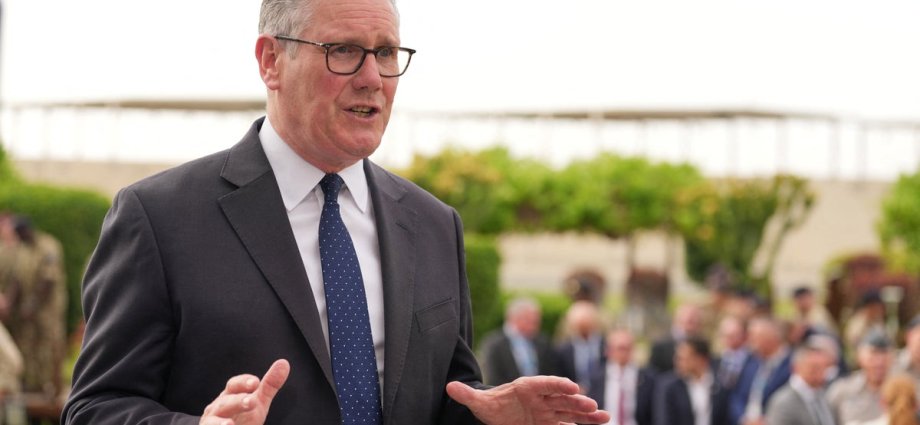
The Tory leader criticised Prime Minister Sir Keir Starmer, stating he is “all mouth, no trousers when it comes to defence,” as she reiterated her demand for the plan to be published once Parliament reconvenes from recess next week.
“Keir Starmer talks about wanting to spend 3% of GDP on defence. Last year his government published a Strategic Defence Review explaining why we need it,” she said.
“But here we are nine months later, and we still haven’t seen the accompanying defence investment plan. It was promised last autumn, it’s now April. This is a national scandal.”
Defence Secretary John Healey last month denied that the Treasury was holding up the publication of the plan, and rejected suggestions there had been requests to scale it back.
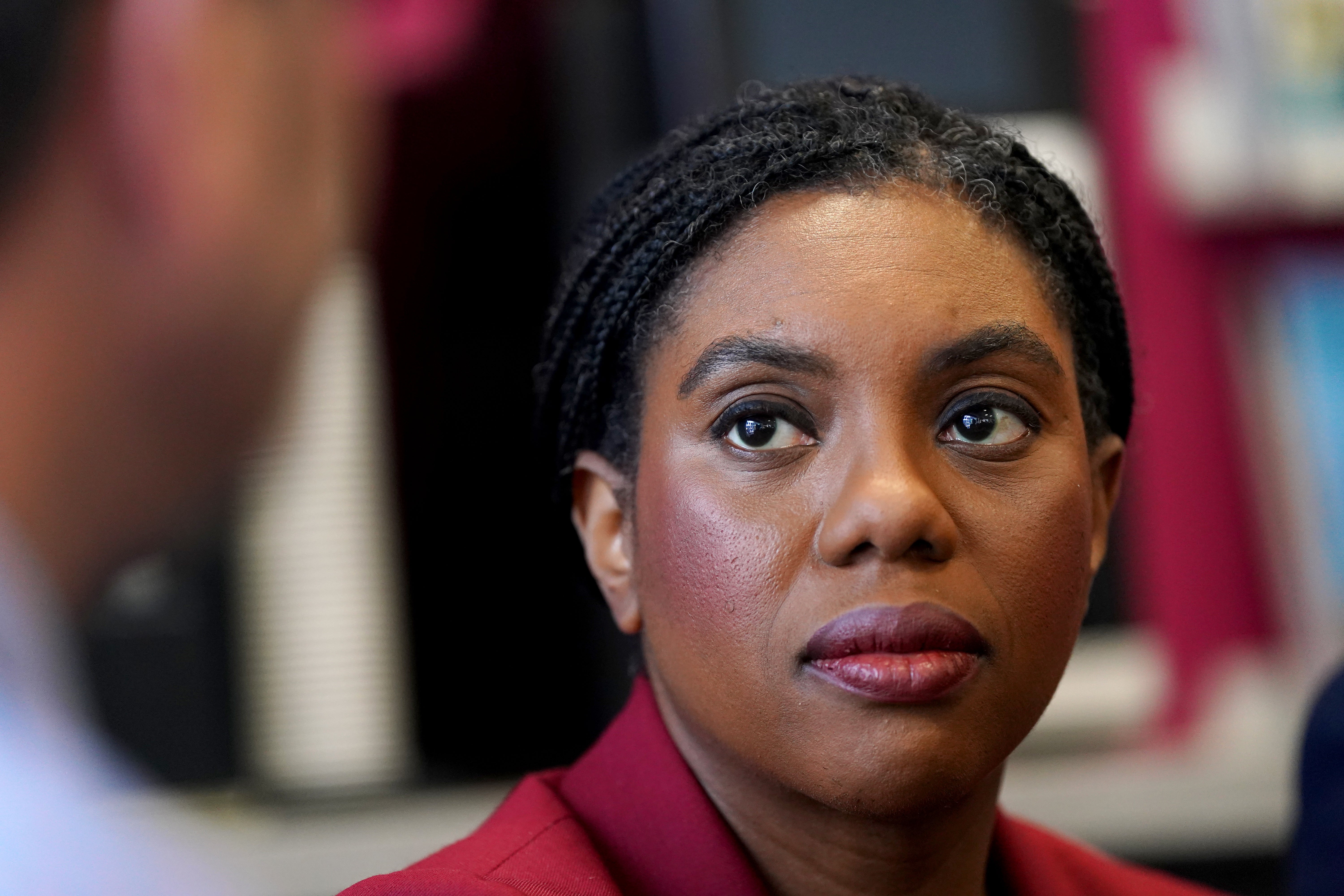
But Mrs Badenoch, who on Saturday will give a speech at the London Defence Conference, said the plan had failed to materialise because the government “have no idea how they are going to pay for it”.
Meanwhile, Mr Dhesi said the UK’s “inability to deploy a single ship swiftly” after the outbreak of war in the Middle East had left many “embarrassed”.
“The Defence Committee has repeatedly raised concerns around the UK’s lack of mass and capabilities, and the urgent need for investment in UK defence,” he said.
“While the strategic defence review set out the long-term strategic vision for our military, the defence investment plan was meant to provide the details, and its publication has been delayed several months.
“The lack of a public plan now runs the risk of undermining the UK’s ability to play a full and leading role in Nato.”
The Tories have said they would reinstate the two-child benefit cap to better fund defence.
Real-terms defence spending fluctuated under the successive Conservative governments between 2010 and 2024, falling by 22% by 2016/17, after which it steadily rose and has recently returned to 2010 levels.
Sir Keir’s Labour government has pledged to spend 2.5% of gross domestic product (GDP) on core defence by 2027, rising to 3% in the next parliament.
Defence minister Luke Pollard accused the Tories of having “hollowed out” the armed forces and “leaving our brave servicemen and women exposed”.
“If Badenoch was prime minister, Britain would be at war in Iran without a plan – she is completely out of her depth,” he said.
“Badenoch should start with an apology for the mess they left behind, instead of taking pot shots.
“Pushing kids into poverty isn’t how we make our defence stronger.
“Prime Minister Keir Starmer is delivering the biggest sustained uplift in defence spending since the end of the Cold War, with every pound of our defence uplift delivering for British workers, British businesses and Britain’s national security.”
Meanwhile, Sir Keir arrived in Saudi Arabia on Wednesday on a visit to the Gulf to push for a long-term resolution to the Middle East war.
It comes after Iran and the US agreed to a two-week ceasefire on the condition that Tehran reopens the Strait of Hormuz, a key global shipping route which has been blocked during the conflict.