


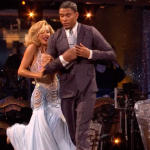

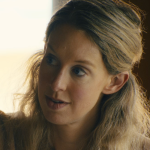





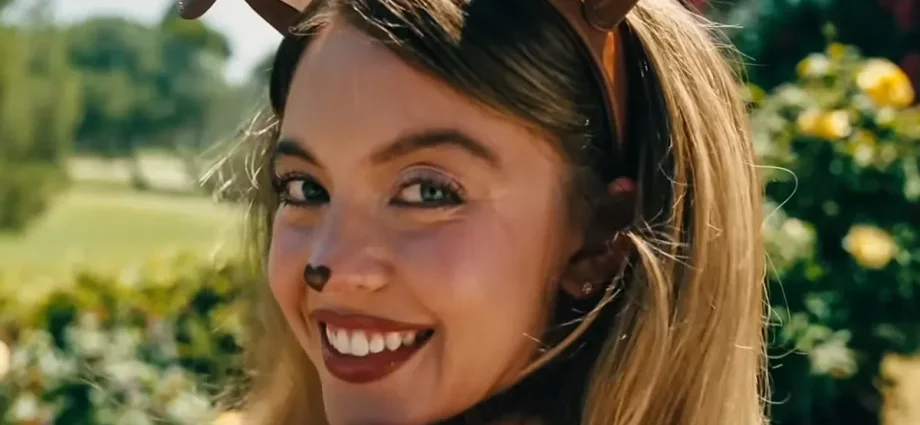
“It’s cowboys and Indians, civilised man against the savage,” snarls a gun-toting kingpin in the third and final series of HBO Max’s Euphoria. As the strains of the score begin to twang – like the music of Ennio Morricone shimmering over America’s southwest – it becomes clear that Sam Levinson’s groundbreaking show, back after a four-year hiatus, is now a Western. The Western is, after all, the most American of all genres, and Euphoria, set in a tortured frontier, amid the gold rush of the attention economy, is a clear-eyed, unflattering portrait of modern America: the good, the bad, and the ugly.
A lot has happened since high school. Rue (Zendaya) has become a drug mule, doing deadly runs across the Mexican border, until a new but equally lethal opportunity presents itself. Nate (Jacob Elordi) and Cassie (Sydney Sweeney) are engaged, living away from East Highland, each grasping for something more than their domestic seclusion. Maddy (Alexa Demie) is working as a talent management assistant, her acrylic nails clacking incessantly against the screen of her phone, while Jules (Hunter Schafer) has drifted out of art school and is now living as a sugar baby in a Los Angeles penthouse. Superficially, they are all doing OK. “I’m California sober,” Rue confesses, with a wry chuckle. “I avoid things that could destroy my life.” And yet Euphoria has always been a show about self-destruction, and the one thing these characters can’t avoid is themselves.
But it’s not just the characters who have been on a journey. Offscreen, the four years since the last season have seen some of the show’s stars – Jacob Elordi, Sydney Sweeney and Zendaya – turn into three of Hollywood’s hottest young talents. Levinson, too, has had a rough ride: his sophomore show, The Idol, was critically reviled, attracting all the accusations of leering misogyny that Euphoria had (just about) avoided. Additionally, there has been personnel management to deal with: the tragic deaths of actors Angus Cloud, who played Fez (who appears in this series as an offscreen presence), and Eric Dane (returning here as Nate’s father, Cal), have laced the show with a note of sorrow. Actor Barbie Ferreira, who played Kat, and British composer Labrinth have declined to return after apparent fallouts with the show’s creator. All this made Euphoria’s return far from inevitable. Yet it has also become an important show – both blockbuster event TV and a Rosetta stone for understanding Generation Z – and audiences have been clamouring for a concluding chapter.
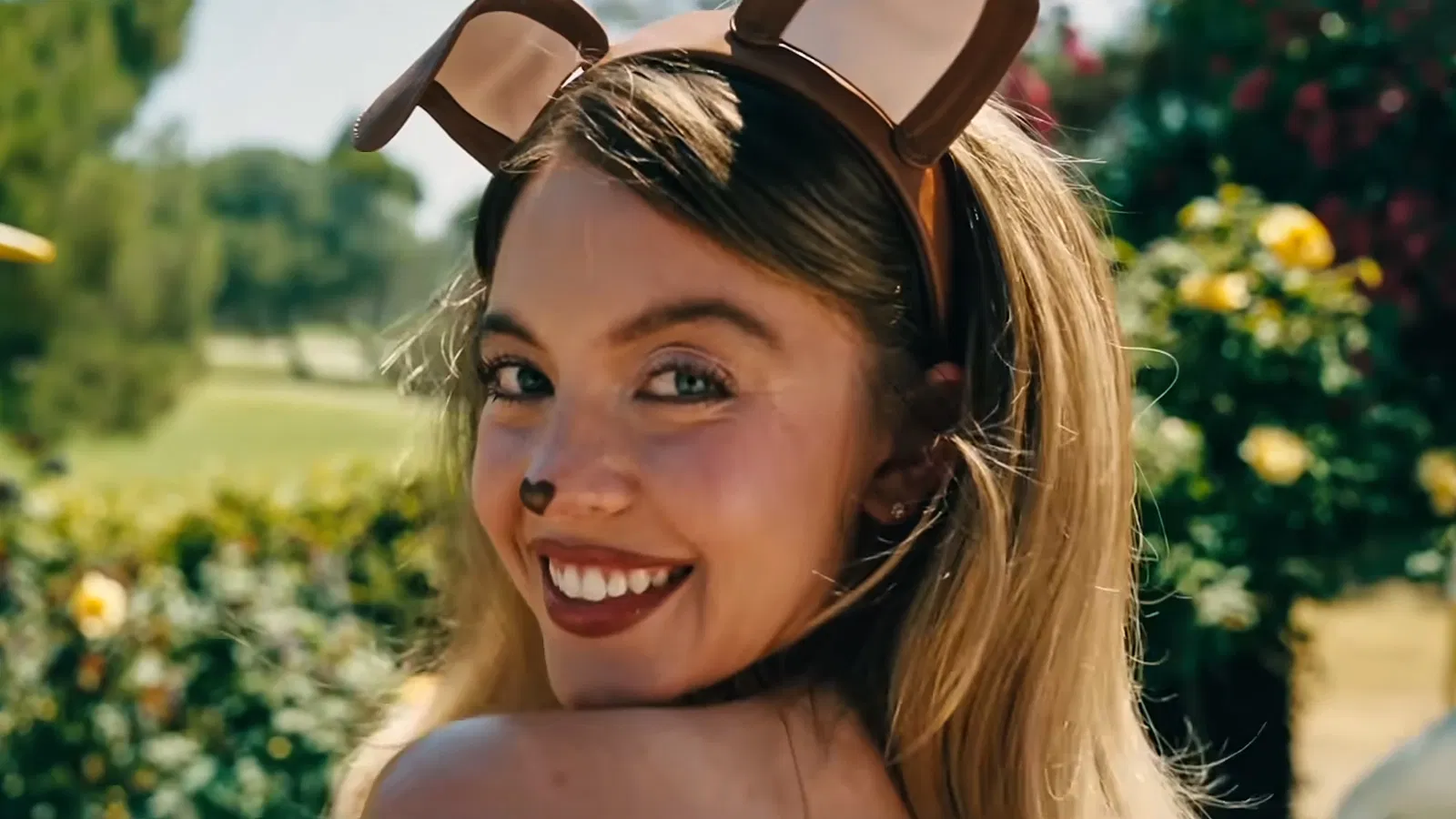
Levinson delivers. It is testament to how well-rounded the world of Euphoria is that these new episodes (the three made available to press, at least) feel true to their characters and an accurate continuation of the saga. Levinson’s spectacular misfire on The Idol shouldn’t detract from his ability to construct tense, witty and morally knotty plots. Against those scripts, his actors (who reports suggest had been lukewarm on a return to the show) appear to be having great fun. Zendaya has developed into a bona fide star, capable of carrying the dramatic weight of the show, but Sweeney, too, proves that pin-up fame is not incompatible with genuine acting chops. In fact, it’s a really good, deep cast with scarcely a bum performance: Demie is a standout as combustible Maddy (“I’m not a victim, I won’t be a HR nightmare, and I believe in capitalism,” she announces in a job interview), as is Martha Kelly as the chillingly monotone dealer, Laurie. There is a clear sense that both the writing and the acting really understands the characters and their twisting, often self-defeating, motivations.
At its purest level, Euphoria posits a world where everyone is beautiful, but also dreadful. It is an aesthetically maximalist vision of an America that has been corrupted by capitalism, turning it into a rageful, inebriated, lonely society. “Do you ever feel like your life could be bigger?” Cassie asks her maid, who is photographing her dressed as an “adult baby”. “America my dream,” the maid responds, simply. And yet everyone is unhappy, they all feel like losers, living life in and by margins. Maddie makes a few cents off the dollars of the OnlyFans girls she promotes; Cassie feels pushed into soulless suburbia. “What you see on television directly impacts the way we see one another,” warns Patty Lance (Sharon Stone), head writer of the soap opera where Cassie’s sister, Lexi (Maude Apatow), works. And what we see, in Euphoria, is the mask of beauty slipping.
“It’s not porn,” Cassie informs Nate, when she starts publishing intimate photographs. “It’s erotica.” Levinson’s critics would say he has a pornographer’s sensibility, favouring striking images and sensational, TikTok-worthy clips over quiet emotional resonance. Yet the show makes its own critique of this glamourless sexualisation. Rue – who rarely encounters a bad decision she doesn’t want to make – has more autonomy than Cassie, who is trapped inside the “Madonna-whore complex” (here her options are: tradwife or OnlyFans model). And Levinson’s lurid tastes (not dissimilar to those of Ryan Murphy, another auteur of new American TV) also take him down grotesque pathways. Women wretch while swallowing balls of drugs, a chicken is summarily decapitated, a pot belly pig defecates towards the camera at point blank range. This is brassy, unsubtle filmmaking that captures the moment we’re living in, where attention has been commoditised and only extremes of content – the naughtiest! the sexiest! the grossest! – get eyeballs.
Euphoria is a generation-defining show. Not just for Zoomers, who might find this graduation into real life uncomfortably bourgeois, but for our present moment. A vapid show about vapidity, a materialist show about materialism: Euphoria owns its contradictions, and, in this final season, shows it’s mastered them.