


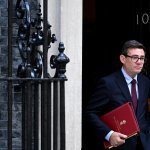






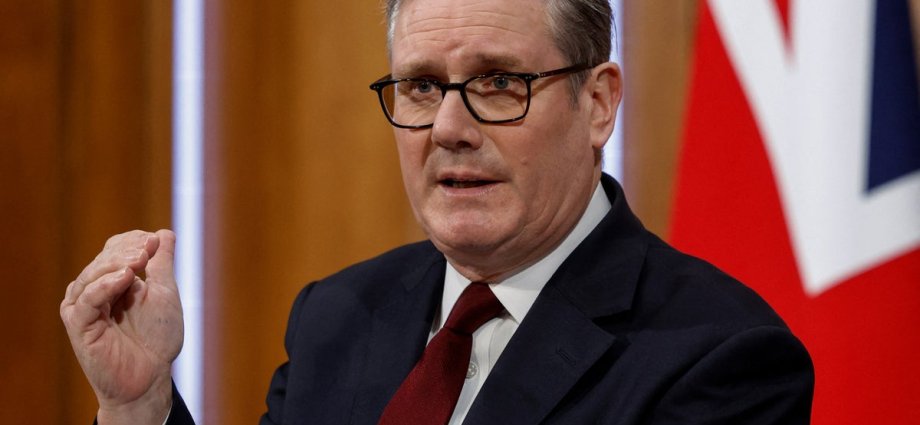
Households and businesses are braced for price rises and increased bills despite a raft of measures unveiled by Sir Keir Starmer designed to bring down the spiralling cost of living.
The prime minister pledged that in an “uncertain and volatile world” his government would “protect the British people at home and abroad”.
But he warned that the Strait of Hormuz, which is crucial to much of the world’s oil supply and has been blocked as part of the Iran war, must reopen to ease the UK’s escalating cost of living crisis.
.jpeg)
Sir Keir Starmer chaired a meeting of the Cobra crisis committee on Tuesday to consider the impact of the conflict on households and the wider economy, but he has so far resisted calls to offer widespread help with bills, beyond targeted support for those struggling with the rising cost of heating oil.
It came as he pointed to an average cut in home energy bills by £117 a year, a rise in the national minimum wage to £10.85 and in the national living wage to £12.71, the start of the £1 billion crisis and resilience fund helping vulnerable households with soaring heating oil prices, and a freeze on prescription prices.
But the prime minister and chancellor are under pressure to go further, including to follow European countries and take action to protect consumers from rapidly rising fuel prices after campaigners accused ministers of treating drivers as a “cash cow for the Treasury”.
Sir Keir said: “I know the public are concerned about the conflict in Iran and what it means for them and their families.
“I want to reassure them that they have a government on their side, working with allies on de-escalation and bearing down on the cost of living.
“Today, millions of people up and down the country will see energy bills go down by £117, wages go up for the lowest paid, and more support will be available for people who need it most – because of the decisions this government has taken.
“But we must go further to bear down on costs, and that means pushing for de-escalation in the Middle East and a re-opening of the Strait of Hormuz. That is the best way we can bring down the cost of living for families and that is my focus.”
But council tax, water bills, as well as broadband and mobile phone costs, are all set to rise.
From 1 April, the average Band D council tax will be £2,392, an increase of £111 or 4.9 per cent, according to the Ministry of Housing, Communities and Local Government.
Household water bills across England and Wales are to rise by an average of 5.4 per cent, or £33 a year for the average household.
BT, EE, Plusnet and Virgin Media are all hiking broadband prices by £4 a month, Sky by £3, and Vodafone by £3.50 – adding nearly £50 more per year to bills.
Additionally, one in four broadband customers is out of contract, paying up to £9 per month more than those in contract.
However, the price most households pay for energy under regulator Ofgem’s price cap will fall by 7 per cent, or £117 a year, to £1,641, driven by the government’s promise to cut bills by an average of £150 by removing green subsidies.
Energy bills are also expected to spiral from July as a result of the Iran war, by as much as £300 a year.
Meanwhile, businesses, which are not protected by a price cap, are set for painful increases in their gas and electricity tariffs, as disruption to key shipping routes sends prices soaring.
“Hospitality’s tax burden – the highest in the economy – is suffocating the sector,” UKHospitality, the British Beer and Pub Association, the British Institute of Innkeeping and Hospitality Ulster said in a statement.
“The worrying situation facing the business energy market has the potential to accelerate all of these impacts.”
The government “should be prepared to support vulnerable businesses if they are thrown into yet another crisis”, they added.