








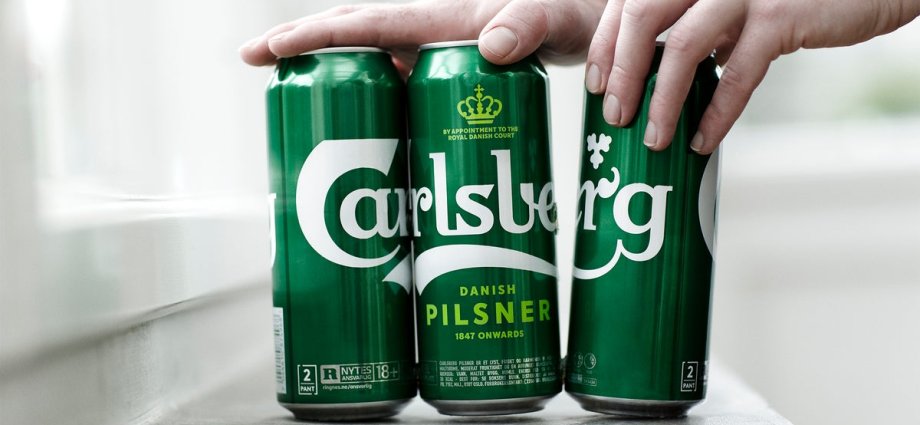
Carlsberg has reported better-than-anticipated profits, but reported lower sales volume after losing a deal to brew and distribute San Miguel.
The Danish brewing giant stated that synergies between its UK operations and Britvic are “ahead of plan”, having already realised approximately 30 per cent of the projected £110 million in savings.
The £3.3 billion takeover of the J20 and Robinsons squash manufacturer, which employs around 4,500 people in Hemel Hempstead, Hertfordshire, was finalised early last year.
This strategic move helped propel Carlsberg’s operating profits by 22.7 per cent to 14 billion Danish krone (£1.6 billion) in 2025.
Overall sales volumes saw a 17.7 per cent increase, contributing to an 18.8 per cent rise in total revenues year-on-year.
However, the group’s organic volumes experienced a slight 0.6 per cent decline, primarily due to the termination of its contract to brew and distribute San Miguel lager in the UK.
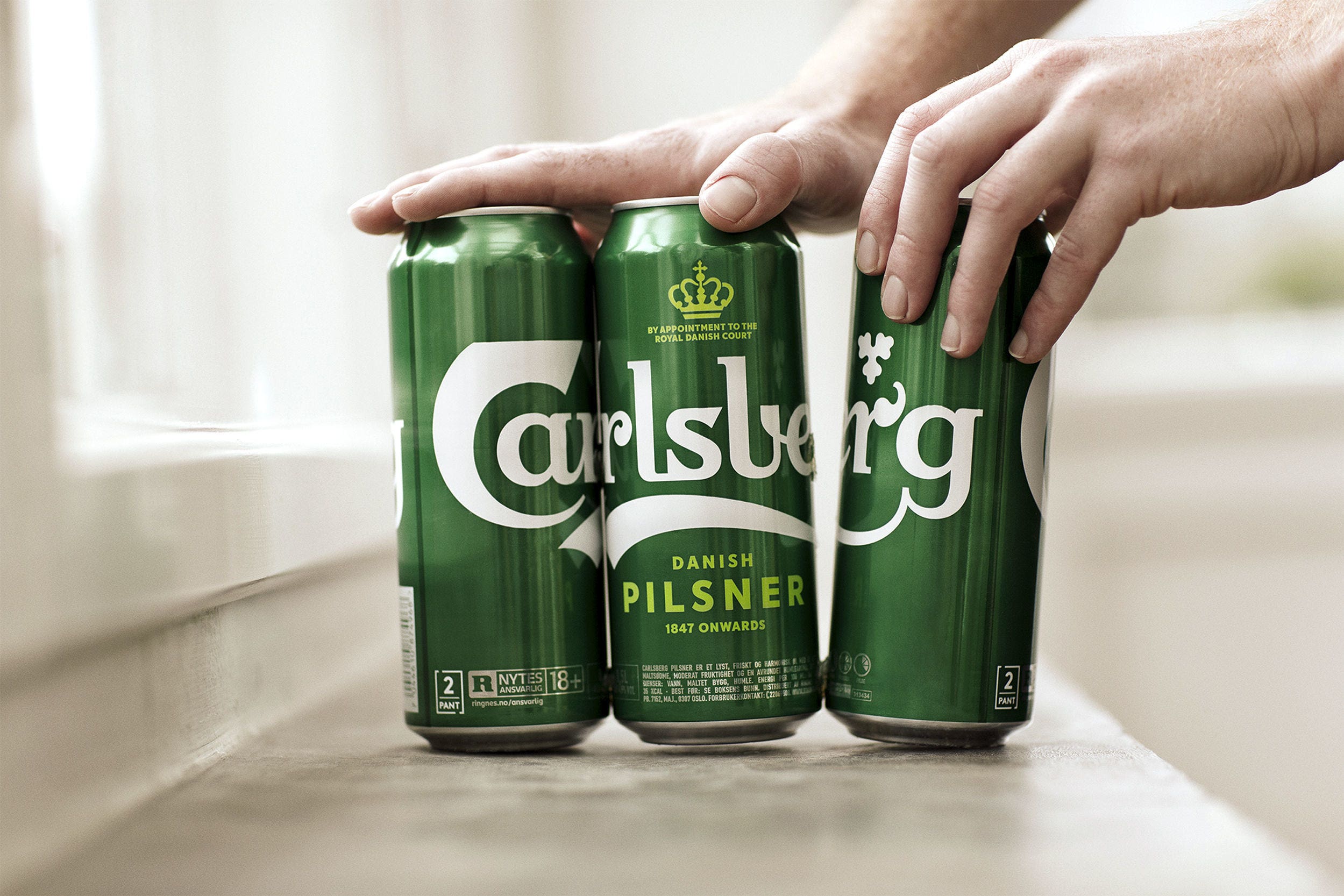
Mahou San Miguel, the brand’s parent business, ended Carlsberg’s contract to make and distribute the beer last year, passing the UK licence to AB InBev.
Group chief executive Jacob Aarup-Andersen said: “Navigating a challenging consumer environment, we successfully integrated Britvic, prepared to take over a substantial soft drinks business in Central Asia, achieved positive results for our growth categories and accelerated growth in India.
“We’ve taken significant steps towards building a broad and diversified beverage portfolio.
“This will not only enable us to meet a wider range of consumer needs and occasions, but also strengthen our position as a world-class brewer.
“The combination of beer and soft drinks is therefore unlocking exciting new opportunities for both growth and value creation.”
Carlsberg’s sales and profit report comes as wine and spirits industry leaders have issued a stark warning that businesses “have no choice but to increase prices” to remain viable, as a significant rise in alcohol duty takes effect.
The increase, confirmed by chancellor Rachel Reeves in November’s autumn budget, sees alcohol duty escalate by 3.66 per cent, aligning with the Retail Prices Index (RPI) inflation.
This change came into force on Sunday, 1 February. While the tax is directly levied on alcohol producers, industry figures caution that a “trickle down” effect to shoppers is inevitable, particularly following a series of other cost increases in recent years.
Official data showed the duty on a typical bottle of gin, at 37.5 per cent alcohol by volume (ABV), will climb by 38p to £8.98, inclusive of VAT.
Similarly, a 40 per cent ABV bottle of Scotch whisky will see its duty rise by 39p to £9.51. Meanwhile, a bottle of 14.5 per cent red wine will incur an additional 14p in duty.