






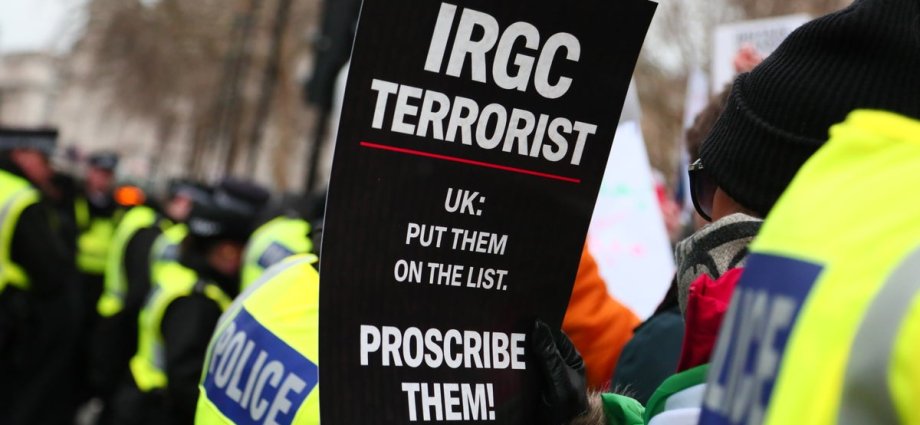
Downing Street has welcomed new EU sanctions on Iran, which include labelling the Islamic Revolutionary Guard Corps (IRGC) a terrorist organisation.
EU foreign ministers met in Brussels on Thursday to further respond to Iran’s brutal crackdown on protesters in recent weeks.
The bloc adopted new sanctions targeting individuals and entities involved in the violent crackdown and has now include the IRGC – the military group loyal to the Iranian regime – on its list of terrorist organisations.
“This will put them on the same footing with al-Qaeda, Hamas, Daesh [Isis],” the EU’s foreign policy chief Kaja Kallas said. “If you act as a terrorist, you should also be treated as a terrorist.”
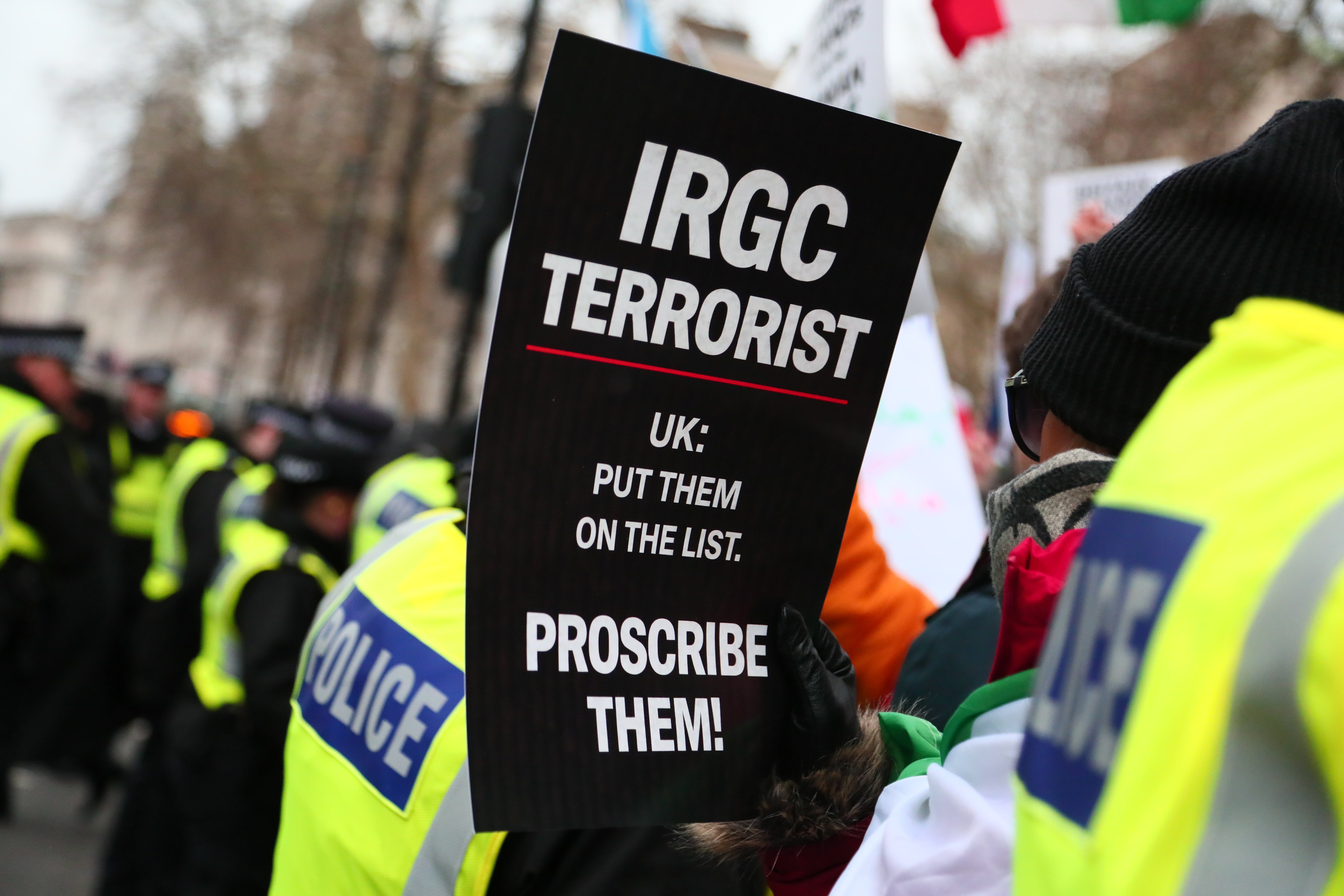
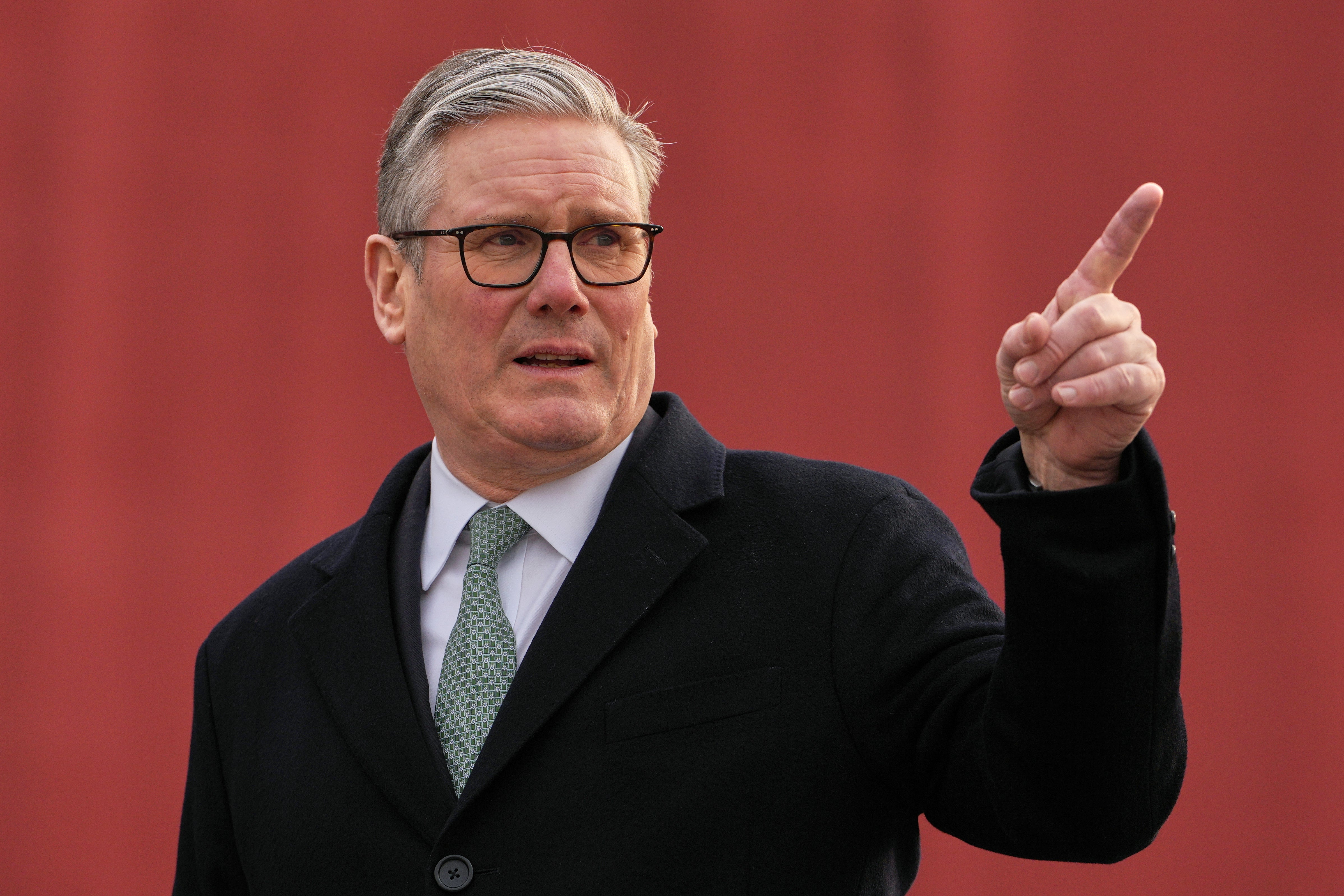
The move heaps pressure on Sir Keir Starmer to follow suit. When asked on Thursday about Ms Kallas’ comments on the proscription and further sanctions, a Downing Street spokesperson said: “We welcome today’s announcement by the EU which will further hold the Iranian authorities to account for the violence and brutality shown against peaceful protesters.”
When asked why the UK was not planning to implement a similar ban, they said: “It’s longstanding practice under successive governments that we don’t speculate about individual sanctions targets or speculate around issues related to prescription.”
They added: “Under this government, you’ve seen 220 sanctions brought against individuals in the Iranian regime. We’ve been clear that of our intention to bring forward further sanctions.”
On Thursday evening, The Times reported that ministers were planning to introduce a law to ban the IRGC. However, the Home Office said it would not name specific groups to be covered by any planned legislation to proscribe hostile state-sponsored agencies.
In 2023, foreign secretary Yvette Cooper – then the shadow home secretary – announced a Labour policy to proscribe the IRGC as criticism mounted over the Tory government’s refusal to do so.
But earlier this month, Labour MPs to hit out at Sir Keir’s government over its apparent refusal to proscribe the group, with business secretary Peter Kyle insisting that the UK had “already used the sanctions against Iran to the full extent we can” and would not be proscribing the IRGC.
After imposing further sanctions, the EU’s likely move to include the IRGC list of terrorist organisations marks a symbolic shift in Europe’s approach to Iran’s leadership.
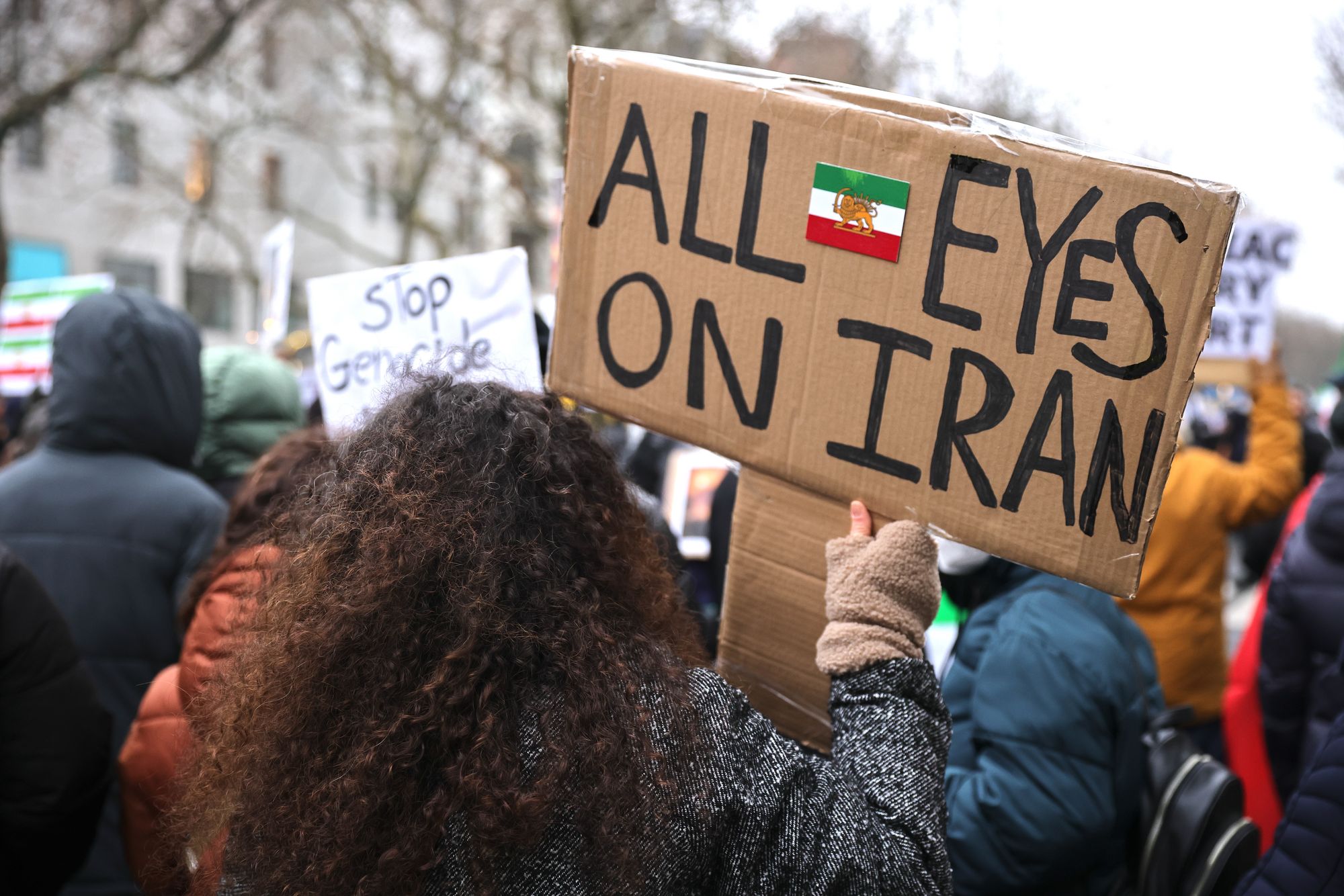
Anti-government protests that swept across Iran since December have triggered a bloody crackdown by authorities, drawing international condemnation.
Earlier this week, activists reported that at least 6,159 people had been killed in the crackdown, with the number feared to be much higher.
Tensions have continued to build this week between Tehran and the US, after Donald Trump said that a “massive armada” is heading to Iran and is ready to “fulfil its mission with speed and violence if necessary”.
Ali Shamkhani, a political adviser to Ayatollah Ali Khamenei, said any military action by the US would be considered the “start of war” and provoke an “immediate, all-out and unprecedented” against the US and Israel.
US sources told Reuters that Mr Trump was weighing options including targeted strikes on security forces and leaders to inspire renewed protests and create the conditions for “regime change”.