










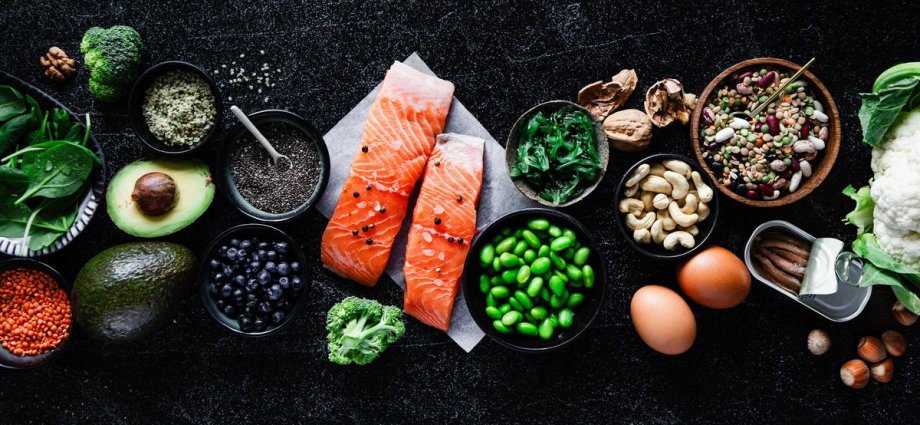
For those who have made a determined resolution to trim down their waistlines this new year, trying to work out how to satisfy a hungry tummy while keeping the calorie count low can be tricky.
But experts have revealed how eating a diet dense in one type of food can encourage people to fill up on more fruit and vegetables, and fewer higher-energy options.
A new study published in The American Journal of Clinical Nutrition on Tuesday shows participants who ate an unprocessed diet naturally choose to eat a lot more fruit and vegetables than higher-calorie wholefood options – like rice, meat and butter – which could help with losing weight.
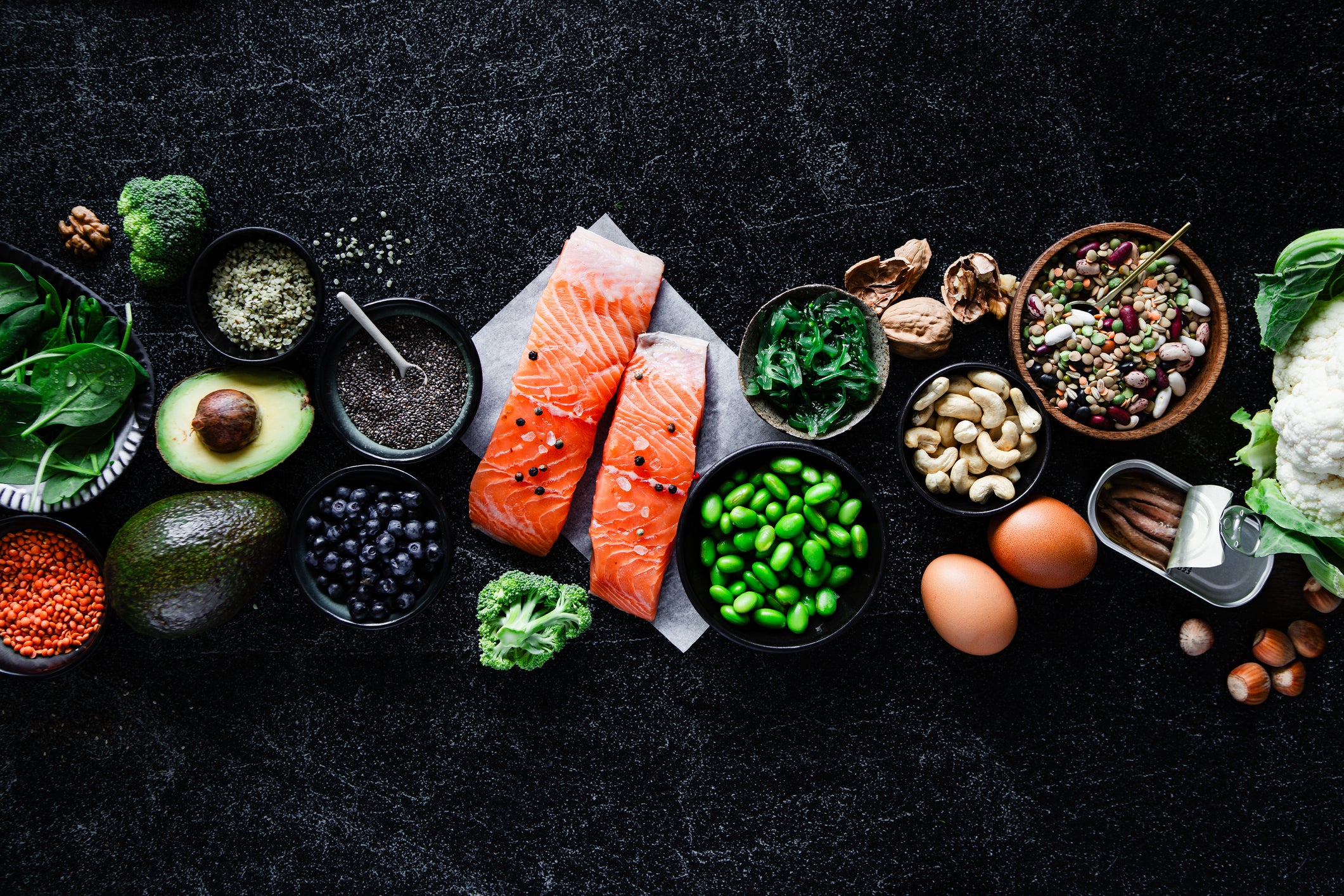
The data showed people on an unprocessed diet could eat over 50 per cent more food by mass – but consume 330 calories fewer per day on average than those on an ultra-processed diet.
“The argument we are drawn to higher-calorie foods has been around a long time,” study author Professor Jeff Brunstrom told The Independent. “That could be thought of as a form of nutritional intelligence. But we would argue we show other forms of nutritional intelligence – we don’t just eat for calories, and this paper argues that micronutrients play a role as well.”
Researchers reanalysed data from a 2019 study which first exposed how eating a diet rich in ultra-processed foods can lead to excessive calorie intake and weight gain.
They found people who eat a diet of exclusively wholefoods consistently chose to eat fruits and vegetables over more calorie-dense options like pasta and cream.
Scientists suggested this was because our bodies have an in-built “nutritional intelligence” that encourages us to pick foods rich in micronutrients.
“When we’re eating a wholesome, unprocessed diet, in a sense we are serving two systems,” Prof Brunstrom explained to The Independent. “We’re eating for calories, but we’re possibly also drawn to high-micronutrient foods.”
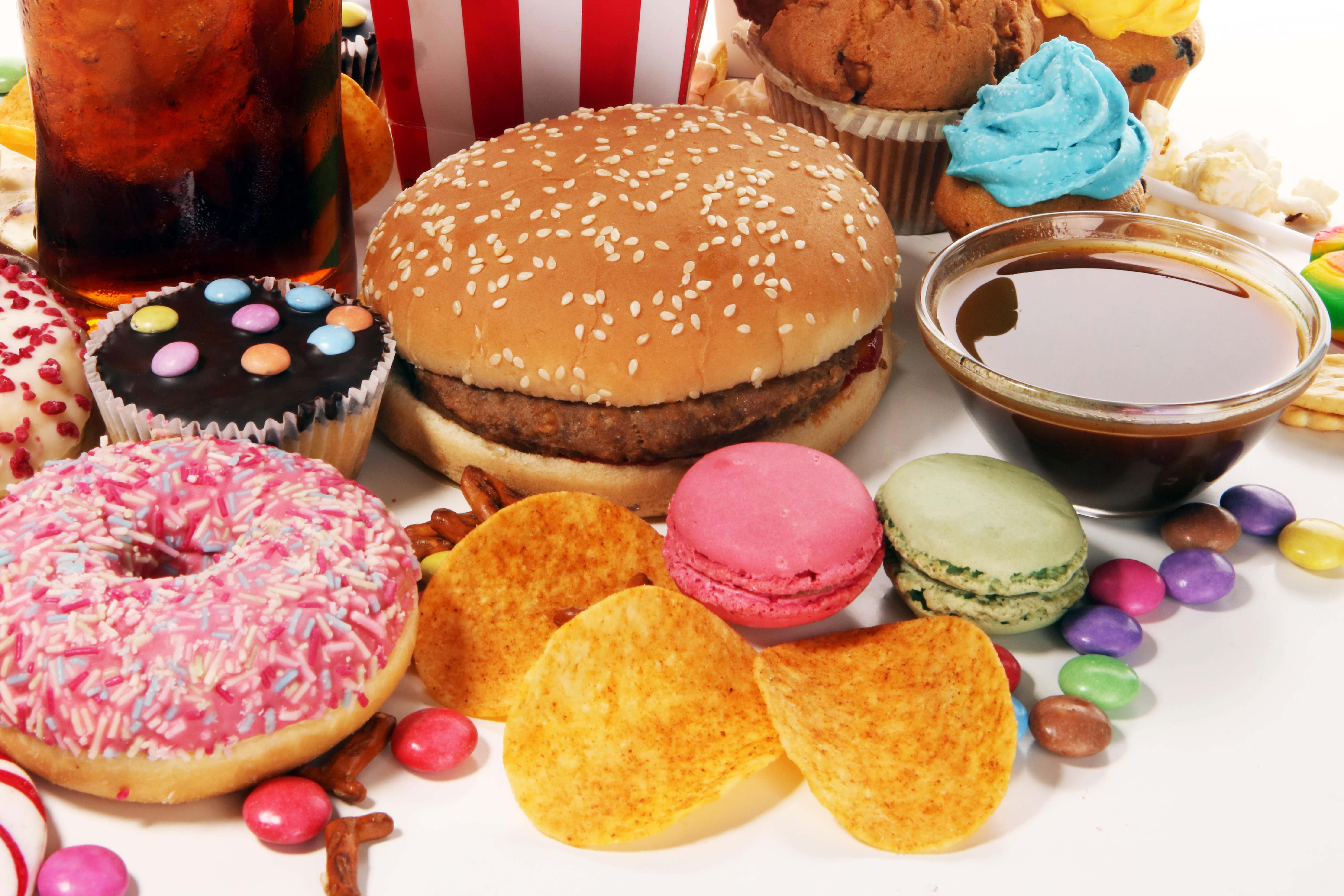
He added that while you may need to eat a calorific portion of processed foods in order to meet certain micronutrient requirements, in a more natural diet there is a “tension” between macronutrients and calories that puts a “brake” on how many calories we consume.
For example, while those on the ultra-processed diet got most of their vitamin A from French toast sticks and pancakes, those on the unprocessed diet got the vitamin from spinach and carrots.
“The paper is trying to put on the table this hypothesis that there is something special about unprocessed diets that allows us to eat more food by mass, but fewer calories because of that tension,” Prof Brunstrom said.
“Overeating is not necessarily the core problem. Indeed, our research clearly demonstrated consumers on a wholefood diet actually ate far more than those on a processed food one.
“But the nutritional make-up of food is influencing choices and it seems that UPFs (ultra processed foods) are nudging people towards higher-calorie options, which even in much lower quantities are likely to result in excess energy intake and in turn fuel obesity.”