










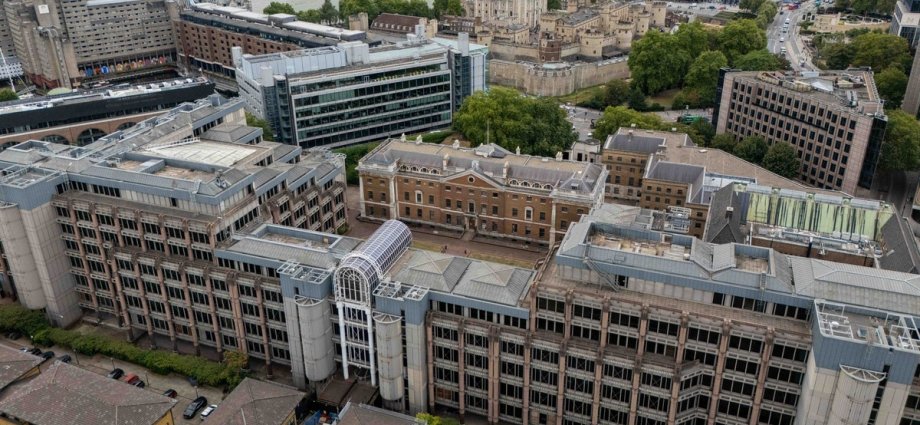
The government has approved plans for the controversial Chinese “super-embassy” in London, despite major security concerns and warnings from international allies.
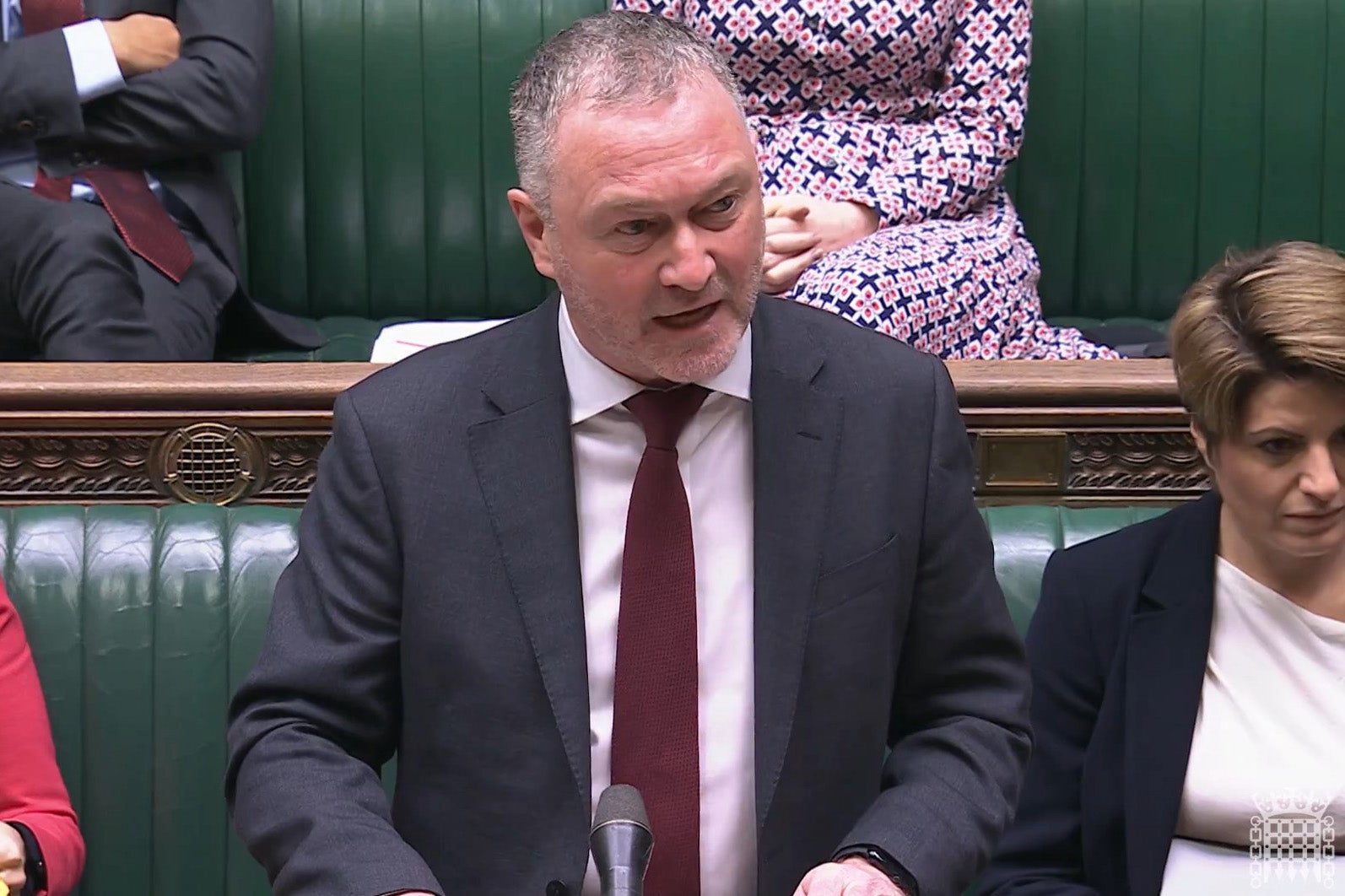
Local government secretary Steve Reed gave the plans the green light on Tuesday, undeterred by calls for the government to block the development.
The government could now face a legal challenge in court, with local residents raising money to launch a judicial review against the project.
Beijing’s controversial proposals for the building at Royal Mint Court, a site near the Tower of London, are reported to include 208 secret rooms and a hidden chamber.
Those opposed to the plans fear the hidden chamber would be located in close proximity to data cables, which are crucial for financial sector communications between the City of London and Canary Wharf.

There are also concerns that the secret rooms, located in the site’s basement, could be used for the detention of dissidents who have fled the Chinese state for Britain.
Luke de Pulford, head of the Inter-Parliamentary Alliance on China, told the Press Association: “Years of campaigning about the obvious and manifold risks posed by this embassy development have not been enough to outweigh the UK government’s desire for Beijing’s money.”
The decision comes after Labour MPs revealed on Monday that several UK allies have raised fears about the plans, and have urged the government not to “open Pandora’s Box”.
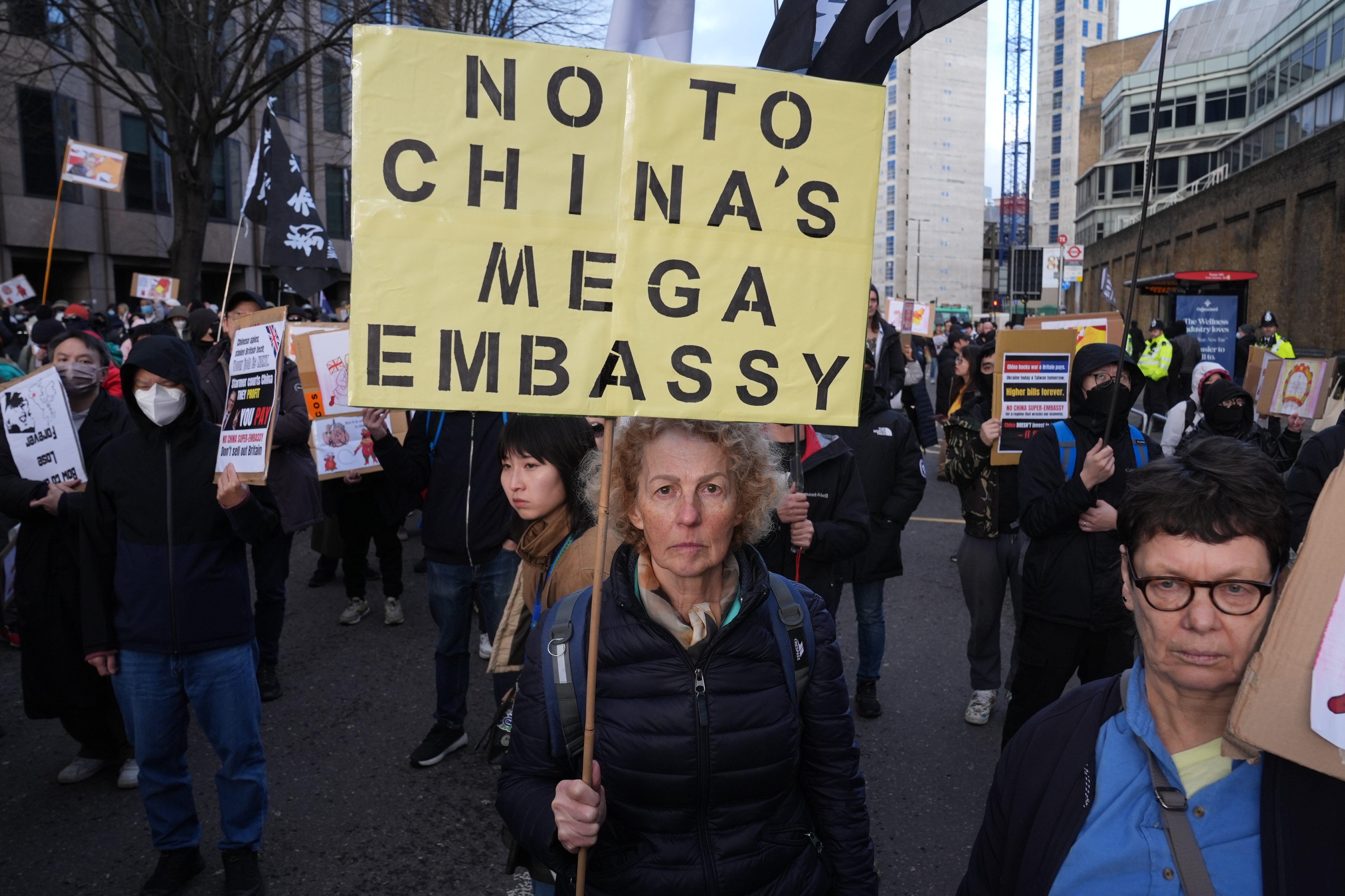
Sarah Champion, chairman of the international development select committee, said in an urgent Commons debate: “We’ve now had interventions from the Dutch government, Swiss parliament, Swedish parliament and two interventions from the White House about the risks posed to UK infrastructure by the cabling that runs along the Royal Mint Court.
“Once planning is given we cannot take it back, we will have lost control. This is not a risk we can afford to take and the government should refuse this disastrous plan.”
But ministers have argued that it would consolidate Chinese diplomatic presence from seven buildings to one, which could have security benefits.
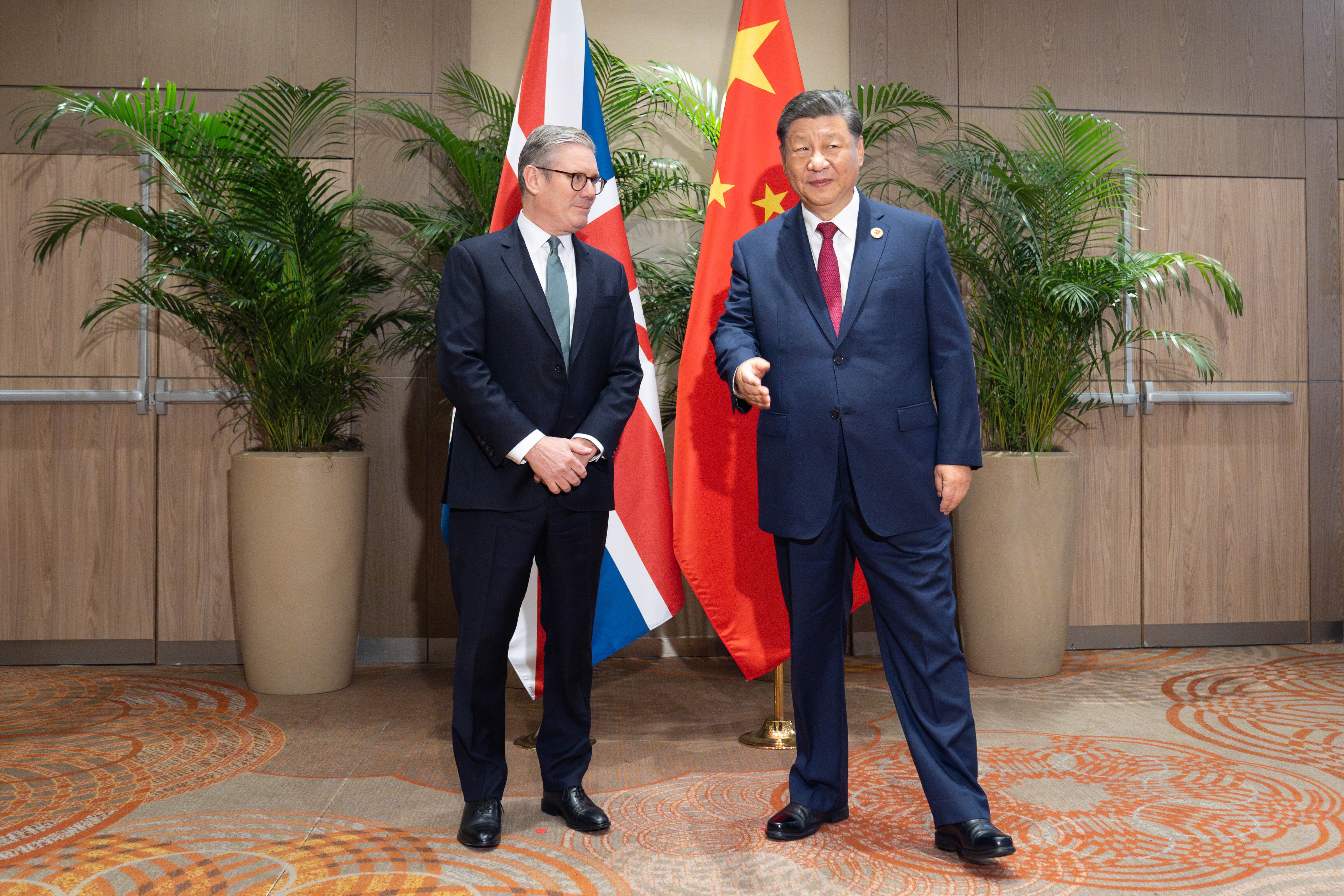
The decision also removes a diplomatic hurdle in the relationship with Xi Jinping’s government, clearing the way for Sir Keir Starmer to make a widely-expected visit to China – possibly within weeks.
A letter from the Ministry of Housing, Communities and Local Government published on Tuesday morning said the communities secretary had granted both planning permission and listed building consent for the site.
In a written ministerial statement, Steve Reed said the decision is “now final unless it is successfully challenged in court”.
Mark Nygate, the treasurer of the Royal Mint Residents’ Association, said he believes there is enough opposition “for us to think we will be able to raise money to fight it”.
He said: “We intend to do a judicial review. The documents have just turned up from the Ministry of Housing and we will be passing those over to a barrister to do an independent review to give us some feedback. At that point we will move forward with the judicial review, based on legal opinions that have already been given in 2025.”
A government spokesperson said the planning decision had been taken independently by Mr Reed, insisting the new plans brought “clear security advantages”.
“More broadly, countries establishing embassies in other countries’ capitals is a normal part of international relations,” they said.
“National security is our first duty. Intelligence agencies have been involved throughout the process and an extensive range of measures have been developed to manage any risks.
“Following extensive negotiations in recent months, the Chinese government has agreed to consolidate its seven current sites in London into one site, bringing clear security advantages.”

The decision has sparked criticism from across the political spectrum.
Labour peer and top barrister Baroness Kennedy of the Shaws described the approval of as a “dangerous” concession.
“Whilst British parliamentarians, like myself, remain unjustly sanctioned and British Citizen Jimmy Lai remains imprisoned on political charges, the UK must take a principled stand,” the co-chairperson of the cross-party Inter-Parliamentary Alliance on China said.
The Liberal Democrats said the decision marked Labour’s “biggest mistake yet,” while shadow security minister Alicia Kearns said she expects the decision to go to judicial review.
Meanwhile, Sir Iain Duncan-Smith said the Government’s approval of China’s new embassy in London “ignores the appalling brutality of the Chinese Communist Party”.