







Sir Keir Starmer has stood up to Donald Trump and warned him that he is “completely wrong” to threaten tariffs against countries who oppose his attempt to take control of Greenland.
In his toughest message to the US president since the latter’s inauguration last year, Sir Keir denied that he had previously been too soft with Mr Trump and urged calm, warning that a trade war would “benefit nobody”.
The prime minister’s message came amid fears that the UK and the EU could be plunged into recession by 10 per cent or even 25 per cent tariffs imposed by the US, with a hit to UK GDP of up to £22bn.
Mr Trump did little to quell global concerns by going on to hint strongly that he could order an invasion of Greenland, replying “No comment” when asked if he was prepared to go that far.
Amid the growing crisis, Sir Keir dodged growing calls for the proposed visit by King Charles III to the US to mark the country’s 250th anniversary to be abandoned in protest at Mr Trump’s actions.
Sir Keir’s plea for calm came as EU leaders, led by French president Emmanuel Macron and German chancellor Friedrich Merz, took an even stronger approach, warning of counter-tariffs against the US economy if Mr Trump makes good on his threats.
Mr Macron urged member states to activate the bloc’s “trade bazooka” and restrict access to the single market for US companies in response to the threats.
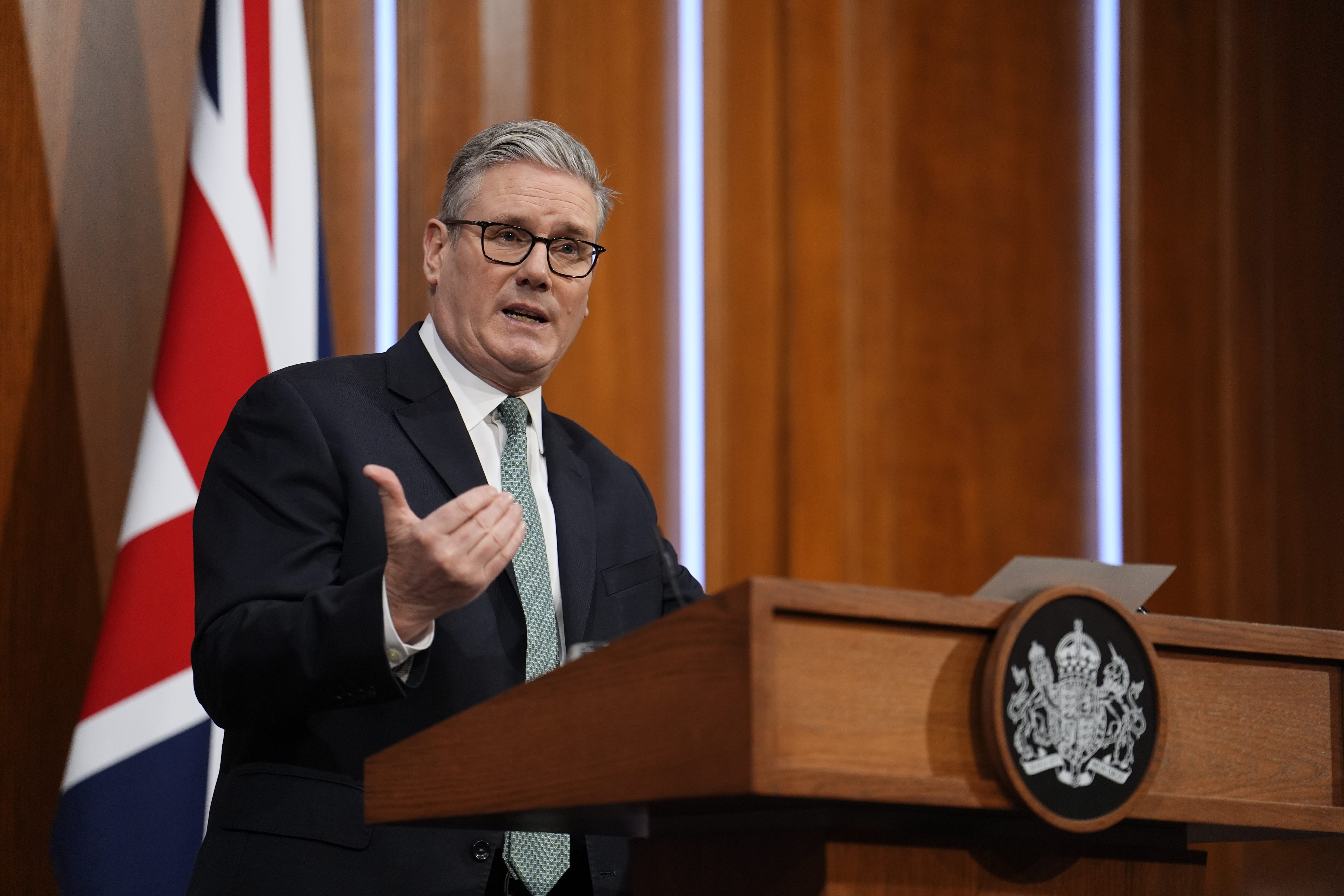
With fears that the crisis could destroy the Nato alliance and spiral out of control, even US Republican representatives on Capitol Hill warned the president of the dangers of his actions.
“There’s certainly not an appetite here for some of the options that have been talked about or considered,” Senate majority leader John Thune said.
Senator Mitch McConnell, Senator Thune’s predecessor, added that military action against the territory would be “an unprecedented act of strategic self-harm” that would risk “incinerating” Nato alliances.
But an unrepentant Mr Trump doubled down on his demands in a bizarre letter to the Norwegian prime minister Jonas Gahr Store, in which he appeared to blame the Norwegian government for his bellicose behaviour, suggesting it was a consequence of being snubbed for the Nobel Peace Prize.
Mr Trump said he “no longer feels an obligation to think purely of peace”, adding: “I have done more for Nato than any other person since its founding, and now, Nato should do something for the United States. The world is not secure unless we have complete and total control of Greenland.”
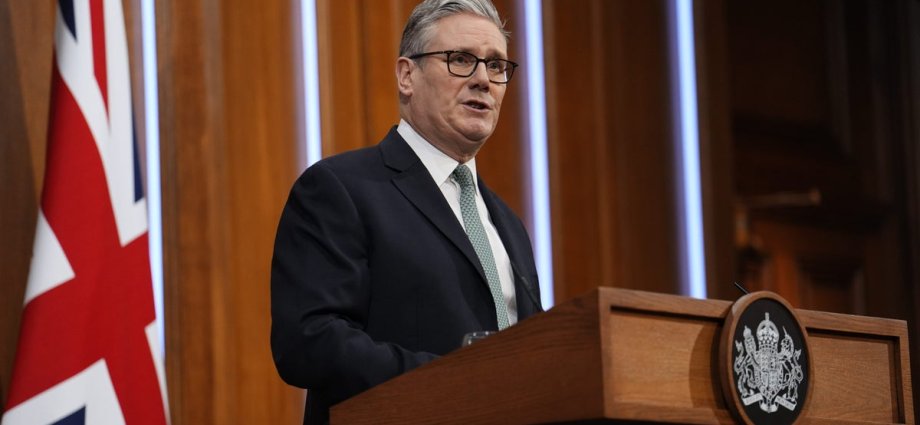
In an emergency press conference on Monday morning, Sir Keir made it clear that the UK government would not back down in the face of Mr Trump’s threats.
The prime minister urged the whole country to unite in the face of the US president’s pledge to invade Greenland and to impose tariffs on the UK and other European allies.
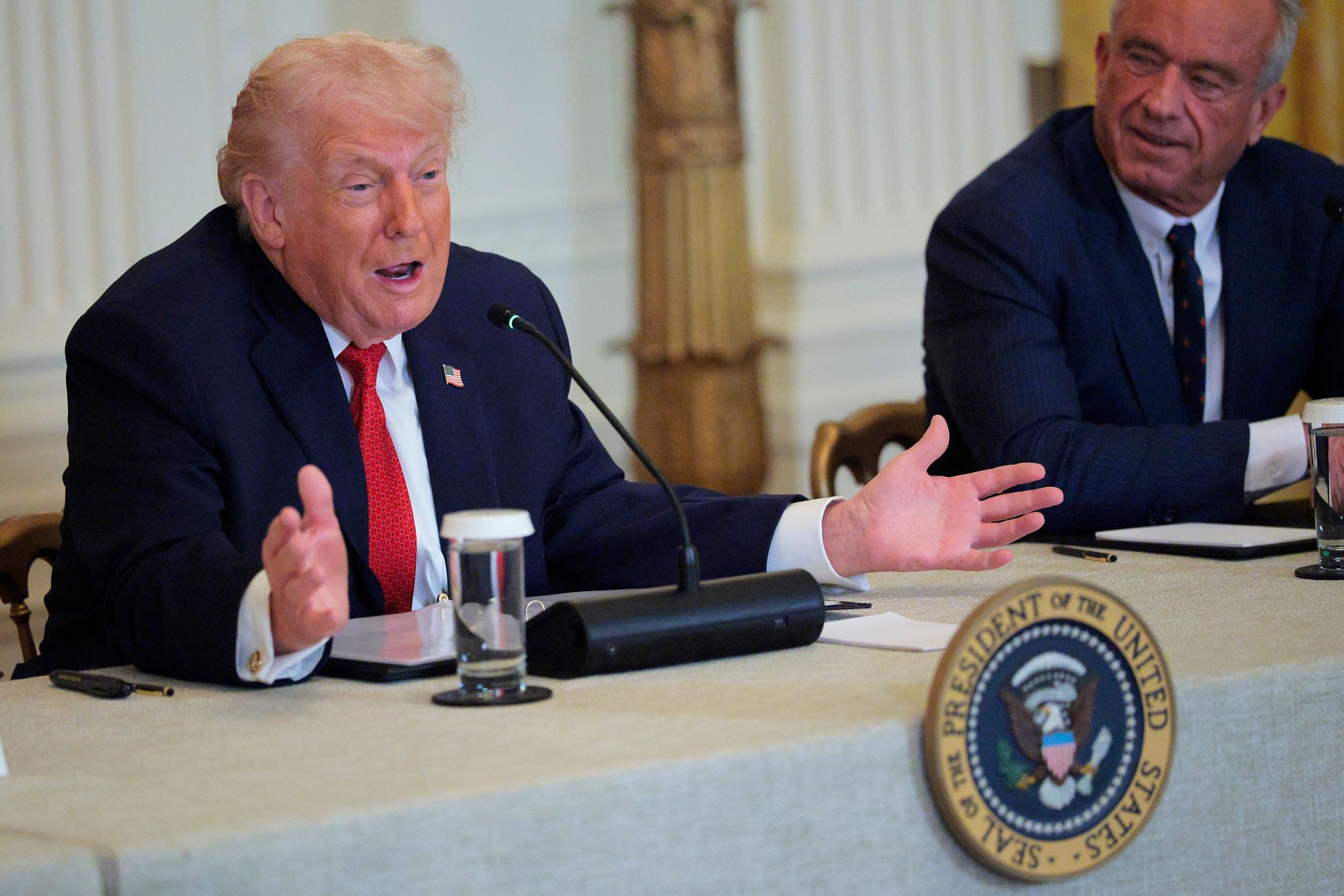
He said the dispute over Greenland, which Mr Trump wants to take over because of its strategic Arctic location and mineral wealth, should be resolved through “calm discussion between allies” rather than by military action or a trade war.
Sir Keir also signalled that Britain would not engage in a trade war with the Americans by imposing retaliatory tariffs, insisting that this was “not the right way to resolve differences within an alliance”.
He said: “A partnership does not mean abandoning principle. That is why it’s important to be clear about who we stand with, what we stand for, and where our interests lie.
“This is a moment for the whole country to pull together, so I warmly welcome the support we’ve had, with regard to Greenland and the proposed tariffs, from the leader of the opposition [Kemi Badenoch]. I thank her for her support.”
He also insisted that the “right way to approach an issue of this seriousness is through calm discussion between allies”.
He continued: “Any decision about the future status of Greenland belongs to the people of Greenland and the Kingdom of Denmark alone. That right is fundamental.
“The use of tariffs against allies is completely wrong. It is not the right way to resolve differences within an alliance, nor is it helpful to frame efforts to strengthen Greenland’s security as a justification for economic pressure.”
Sir Keir suggested he did not think Mr Trump was genuinely prepared to use the US military to annex Greenland, and insisted there was no need for the UK to take a side in the growing divide between the US and Europe.
He said: “I don’t think it’s right for us to choose between the US and Europe. That’s not a new position today: that’s the position I’ve consistently held, as have previous governments.
“Because we are allies with our European partners and allies with the US, and the strength in being able to keep both those alliances has served us well over the last 80 years.”
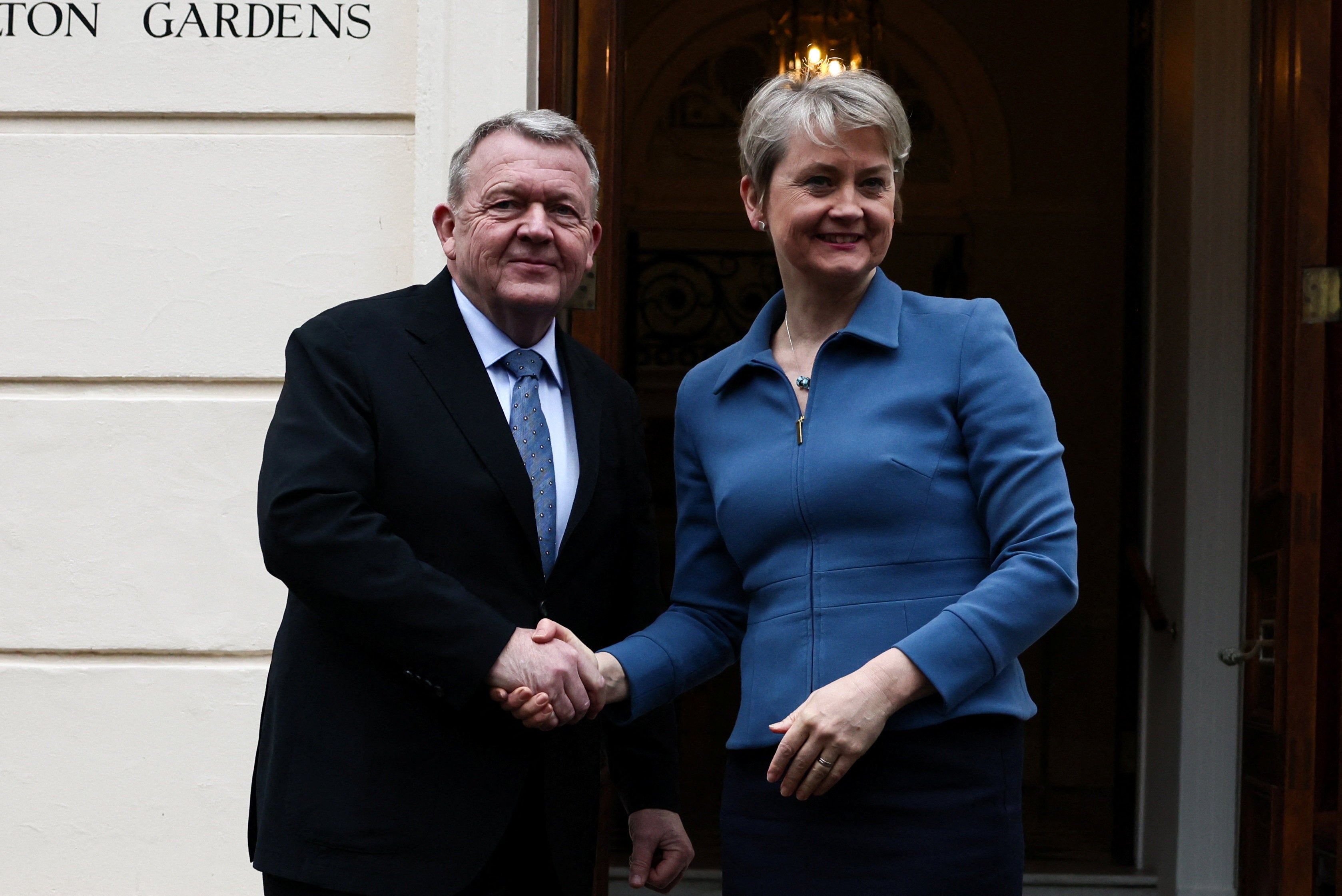
In a sign of solidarity, foreign secretary Yvette Cooper welcomed her Danish counterpart Lars Lokke Rasmussen for talks in London.
She reiterated Sir Keir’s comments, saying: “The future of Greenland is for the Greenlanders and for the Danes alone. Greenland is a part of the Kingdom of Denmark, and those principles around sovereignty are crucial.
“It’s also why we have made very clear that the use of tariffs and threats against allies in this way is completely wrong and counterproductive.”
Ms Cooper also stressed the need to strengthen Arctic security against the threat from Russia.
Mr Rasmussen said that he and Ms Cooper had been “in almost daily contact for the last week or so”, adding: “I’m not here in order to ask for your support, I’m here to thank you for your support.”