









A former lord chief justice has urged Sir Keir Starmer to end the scandal of cruel indefinite jail terms, accusing ministers of ignoring “the urgency of the situation”, as scores of prisoners languish in jail with no hope of release.
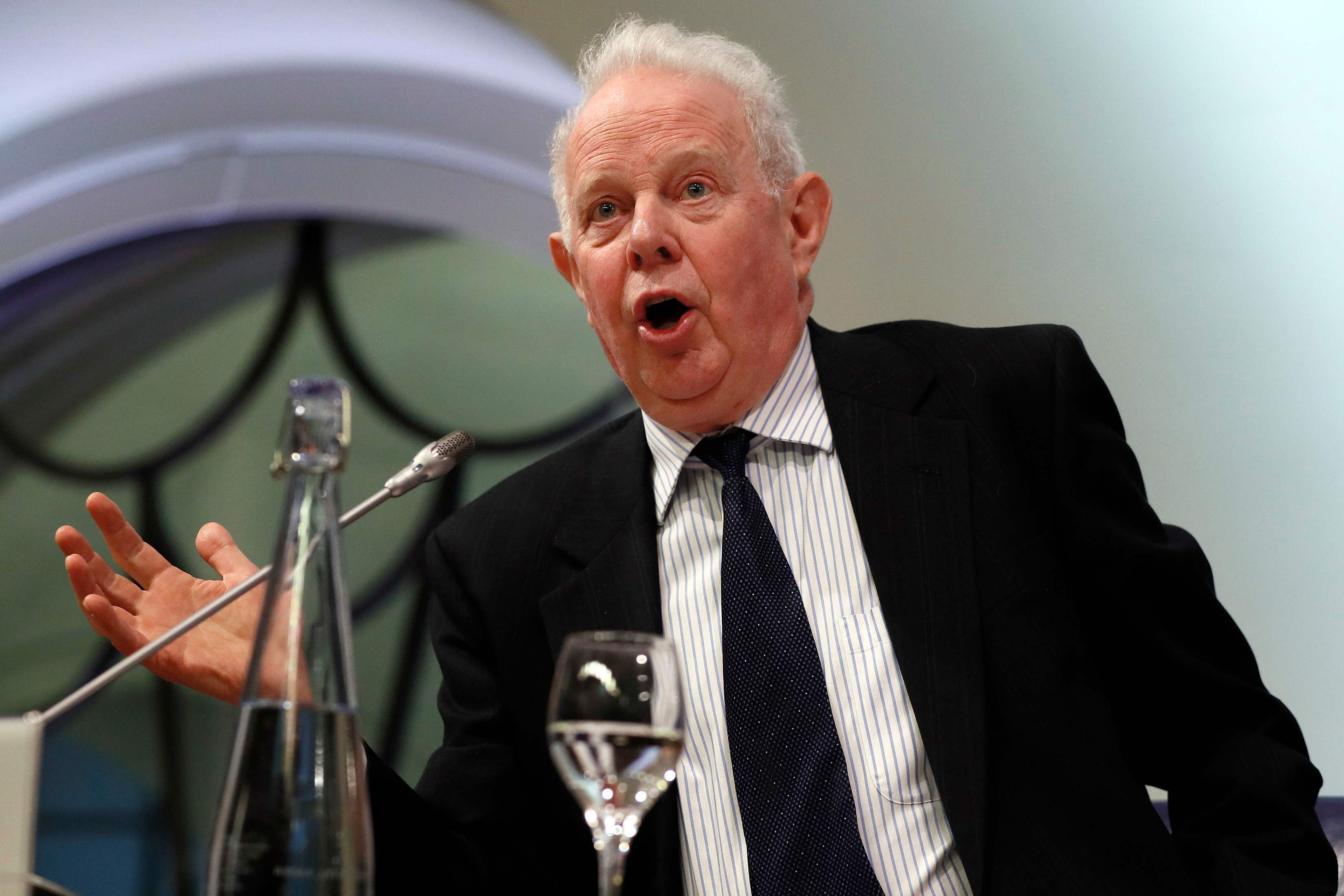
Comparing the cases of those locked up under imprisonment for public protection (IPP) sentences to the Post Office and infected blood scandals, Lord John Thomas argued it is “time for the state to recognise that a mistake has been made” and called for ministers to “bring justice at long last to those never released”.
IPP sentences – recognised as “psychological torture” by the UN – were scrapped in 2012, but not retrospectively, leaving almost 2,500 inmates who were already jailed incarcerated with no release date as the government continues to refuse to resentence them.
At least 94 people have taken their own lives in prison after losing hope of getting out.
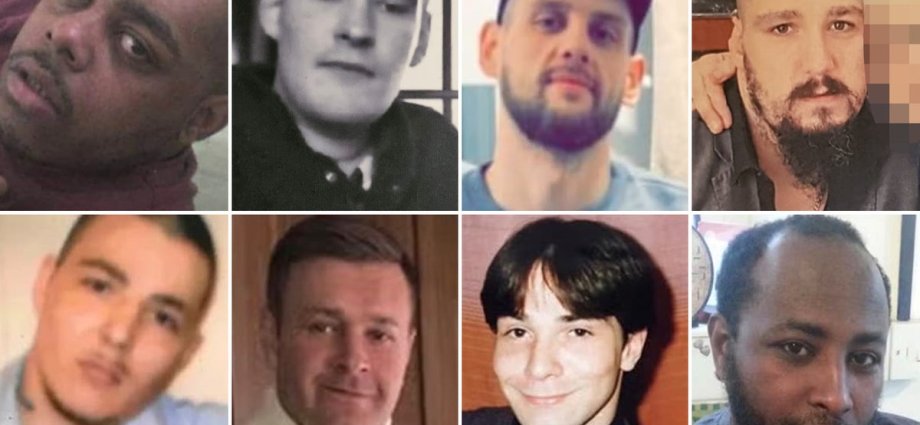
Victims of the scandal, whose tragic cases have been highlighted by The Independent, include Leroy Douglas, who has served almost 20 years for stealing a mobile phone; Thomas White, 42, who set himself alight in his cell and has served 13 years for stealing a phone; and Abdullahi Suleman, 41, who is still inside 19 years after he was jailed for a laptop robbery.
Lord Thomas, a crossbench peer, last month tabled an amendment to the Sentencing Bill calling for IPP prisoners to be given a release date within two years of their next parole hearing, but it was voted down by the government this week.
It came alongside another defeated amendment tabled by Edward Garnier KC, a former solicitor general under the Conservative government, which called for a panel of judges to reconsider the plight of every prisoner on an indefinite jail term.
Writing for The Independent, Lord Thomas argued that IPP sentences have left some prisoners facing “extraordinary” sentences which are “wholly disproportionate to the crime” they committed.
“The IPP sentence is now accepted to have been wrong in principle by absolutely everyone. How, therefore, can we as a nation justly continue to imprison people under such a sentence?
“There is no answer to this question, save that the policy of the government is unjust,” he wrote.

Lord Thomas continued: “Psychiatric evidence is clear that if we lock someone up for an indefinite time for an offence that is not that serious, we are likely to do them damage.
“People on IPP sentences are being subjected to increased risk because their imprisonment is unjust and they lose all hope. It is time for the state to recognise that a mistake has been made.
“If we can do justice in the terrible cases of the Post Office and infected blood scandal, we can do it here.”
James Timpson, the prisons minister, has been at the forefront of trying to push reform in the new government, and is understood to have been arguing for many of the changes that Lord Thomas specifies in his mission for change.
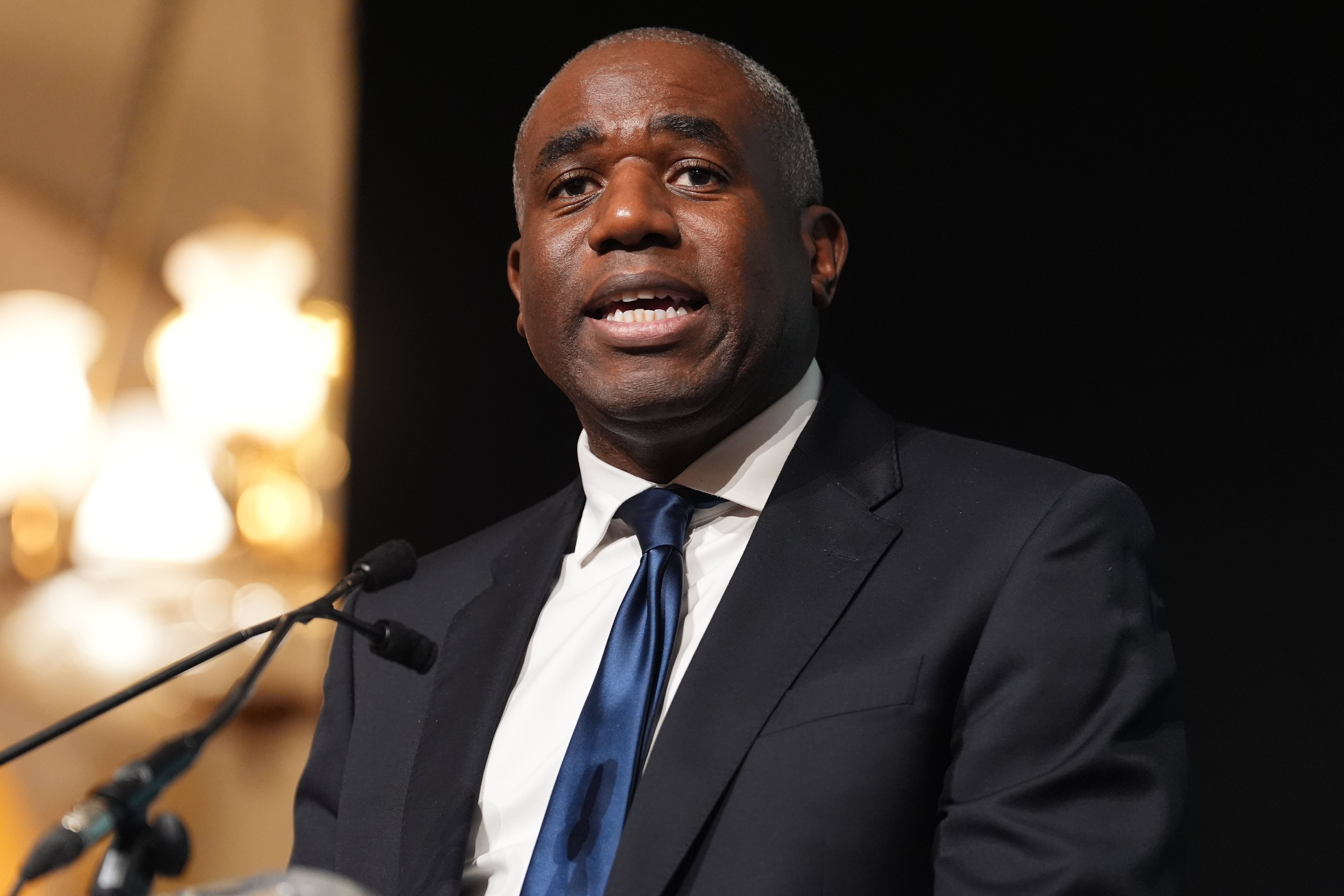
Even though deputy prime minister David Lammy showed sympathy for change while in opposition, he has been reluctant to embrace the changes he once advocated.
The Independent understands there have been heated exchanges at the top of government, with the debate pivoting on the possible public disdain over the release of prisoners against the compassion of not locking people up and throwing away the key.
Lord Thomas’s remarks come just days after The Independent reported on the plight of 233 prisoners serving indefinite sentences who have been transferred to secure mental health units, in many cases because the hopeless nature of the jail term has left them profoundly damaged.
Meanwhile, a senior doctor who treats IPP prisoners warned that more will likely take their lives in custody unless the government moves to end the scandal.
Calling for ministers to take urgent action, Lord Thomas said: “2026 should be the year in which we at last remedy this longstanding injustice.
“It should not be a year when our government leaves the stain of IPP on our otherwise world-renowned system of justice and shows we, as a country, cannot pass the unfailing test of any civilisation.”
The Independent revealed in September that the United Nations will investigate whether Britain is breaching human rights law by arbitrarily detaining prisoners trapped on IPP sentences.
Campaigners and their legal team launched a landmark complaint on behalf of five men who have served a combined total of 84 years incarcerated under IPP jail terms, including for minor crimes.
The case, lodged with the UN’s Working Group on Arbitrary Detention in September 2025, includes a bombshell letter from Mr Lammy, which proves he agrees the jail term is a “grave injustice” which causes “simply horrendous” mental trauma.
The letter, written in 2021 when he was shadow justice secretary, says the implementation of the jail term was “tragically flawed”, adding: “It is now painfully clear that the IPP sentence was far too broad, and many low-risk offenders are serving IPP sentences today for committing minor offences in the past.”
Meanwhile, senior judges who imposed the jail terms have revealed their regret for their part in the “injustice”.
Former High Court judge Sir John Saunders said he would apologise to offenders he handed IPP jail terms.
A Ministry of Justice spokesperson said:“It is right that IPP sentences were abolished and we have already acted. This includes tabling an amendment to ensure those serving IPP sentences in the community can be more swiftly considered for licence termination, supporting them to move on with their lives.
“Every IPP prisoner is entitled to a parole review at least every two years – and no one is kept in prison unless the independent Parole Board judges they still pose a serious risk.”