










New restrictions on unhealthy food and drink advertising will fully commence this Monday.
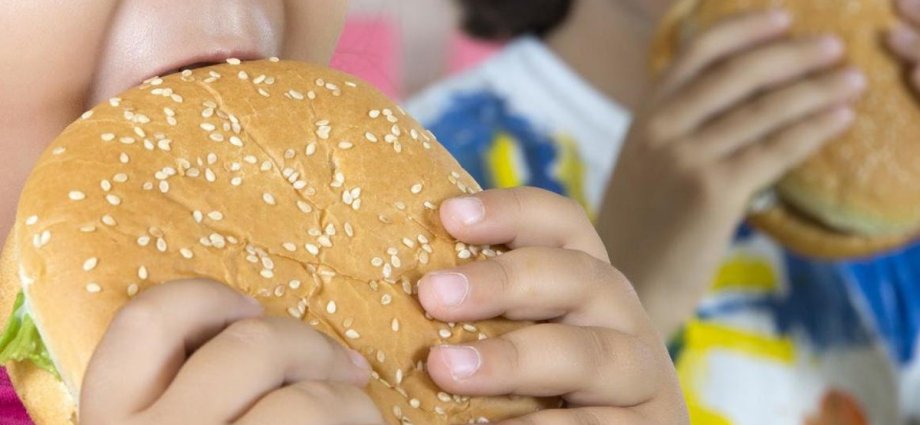
The initiative is aimed at tackling the pressing challenge of childhood obesity.
The new ban prohibits advertisements for ‘less healthy’ products – those high in fat, salt, and sugar (HFSS) – from being shown on television between 5.30pm pm, and online at any time.
This mandatory measure follows a voluntary advertising ban that began on 1 October.
Advertisers must now comply with the new rules or risk action from the Advertising Standards Authority (ASA).

The regulations target 13 specific food and drink categories considered to play the most significant role in childhood obesity, including soft drinks, chocolates, sweets, pizzas, ice creams, breakfast cereals, porridges, sweetened bread products, and various main meals and sandwiches.
Products that fall into these categories are than also assessed as to whether they are “less healthy” based on a scoring tool that considers their nutrient levels and whether products are high in saturated fat, salt, or sugar.
Only products that meet both of the two criteria are included in the restrictions.
Companies can still advertise healthier versions of products included in the ban, which the government said it hopes will encourage the food industry to change their recipes.
Ads for plain porridge oats and the majority of porridge, muesli and granola will not be banned under the new rules, but some less healthy versions with added sugar, chocolate or syrup could be affected.
The restrictions will only apply to ads where products deemed to be unhealthy can be identified by viewers, meaning firms can still advertise brand names.
Until now, HFSS products should not have been advertised through any media when more than 25 per cent of the audience is under 16 years old.
Latest figures suggest one in 10 reception-aged children are obese, while one in five children have tooth decay by the age of five.
It is estimated obesity costs the NHS more than £11 billion every year.
Evidence shows children’s exposure to ads for unhealthy food can influence what they eat from a young age, in turn putting them at greater risk of becoming overweight or obese.
The Government estimates the ad ban will prevent around 20,000 cases of childhood obesity.
Katherine Brown, professor of behaviour change in health at the University of Hertfordshire, said: “A watershed ban on television and online advertising before 9pm to reduce children’s exposure to unhealthy food marketing is long overdue and a move in the right direction.
“Children are highly susceptible to aggressive marketing of unhealthy foods and exposure to them puts them at greater risk of developing obesity and associated chronic diseases. Yet this policy comes into force three years after originally proposed, following repeated delays, cutbacks and industry pressure.
“Restrictions on promotions of HFSS products are a valuable step, but they must form part of a long-term, comprehensive strategy that addresses inequalities, supports healthier local food environments and makes nutritious options more affordable, accessible and appealing.”