










The article below is an excerpt from the Well Enough newsletter by Emilie Lavinia. To get my latest thoughts on wellbeing, mental health and the things that help us feel a little more human, pop your email address into the box above.
Each edition dives into a topic that’s been on my mind that week – from the science behind our emotions to the small habits that genuinely make life feel lighter. You’ll also find practical tips and tricks from experts I’ve interviewed on living a happier and healthier life.
This year has thrown a lot at us all, and in previous editions of this newsletter, I’ve discussed ways to shift mood and mindset in order to reframe situations, cultivate resilience, and make life feel more manageable. We need those tips and tricks especially at this time of year, because the things that make us feel gloomy aren’t just circumstantial. Our mood can be influenced from inside the body too.
SAD, or seasonal affective disorder, affects millions of people, to the extent that the NHS fully acknowledges the existence of “the winter blues”. I used to experience SAD symptoms to quite a troubling extent until I began researching the condition and attempted to address the root causes with advice from experts.
We don’t yet have a definitive answer on the direct causes of SAD, but researchers agree that the cause is likely a combination of decreased sunlight – and therefore decreased vitamin D – the busyness overload and subsequent burnout of the festive season, and poor gut health: a perfect storm of unwellness.
Once I began to research SAD, several things started to make sense. I’d been told by gut health scientists, professors, and nutritionists many times that the gut is the second brain, and this led me to look into the link between mood and diet.
Of course, at this time of year, we might be celebrating more, enjoying chocolate, mince pies, and alcohol – and that’s lovely. However, we should also be eating to stabilise our production of happy hormones, and that starts in the gut. I’m talking addition here, not restriction.
Gut health expert Dr Azadeh Ovaici explains: “Mood and anxiety are directly correlated with hormones and chemical changes inside the body, and an intake of prebiotics has been shown to increase the levels of serotonin (the happy hormone), reduce inflammatory cytokine markers (CRP) inside the body, as well as change the microbiome flora in the gut. This results in a reduction in catecholamine production (the fight-or-flight hormone), which reduces the fear response and hence anxiety.”
The first way I ensured I wouldn’t be experiencing SAD was to eat foods rich in prebiotic fibre and probiotics. This meant at least 30 plants a week, foods like legumes, and quality supplements where there might be gaps. For example, you can’t get all the vitamin D you need from your diet, so a supplement is a good idea during the winter.
The absence of the sun is most of the problem when it comes to SAD. It means very little vitamin D synthesis, less time outside, and probably an affected sleep pattern. This can also mess with hormones and mood, so in the winter, a sleep schedule and sleep rituals can help boost your mood.
I do the same thing every night – sunset simulator, breathwork and yoga nidra, frankincense oil, supplements, and an eye mask. Then I aim to wake at the same time every day and see the sunlight as soon as possible.
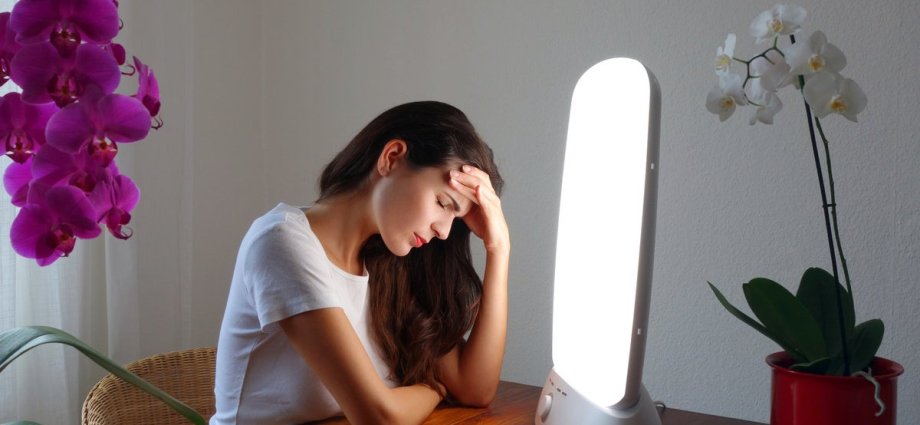
If this isn’t possible, or if it’s grey, cloudy, and raining, I use an SAD lamp. Some people are sceptical of these lamps, but I’ve found mine to be effective. It’s a Lumie Task, and I blast it first thing while I get ready for the day or do my emails.
Taking certain herbs and compounds to support mood, brain function, gut health, and cellular health might have helped too. I don’t know for sure, because I take these in combination with a good diet, a sleep routine, regular exercise to boost endorphins, and time in the sauna to lower inflammation. I haven’t tested them in isolation without these other helpful habits, but so far, so good.
We can all only do our best, but at this time of year, if you’re feeling low, maybe consider your habits, your routines, and what’s happening on the inside, along with the external stresses and circumstances affecting you. If you’re going to drink a lot of alcohol, maybe eat more plants and look at hangover-specific supplements to replenish essential minerals and nutrients and balance your gut.
If you’re working from home and not moving much, try a little more walking outdoors, even if it’s just around the block once a day. Try a regular bedtime, or at the very least a consistent wake time, and hit the SAD lamp when you wake up. A few of my recommended mood-boosting supplements could also help stave off SAD. Obviously, you don’t have to do all of these things – they’re just tips – but if you do at least one thing to help your mood, it could give you a little lift and help lessen the effects of the winter blues.
How to sign up

To receive Well Enough by Emilie Lavinia, simply enter your email address in the box at the top of this page.
You can also head to our newsletter preference centre to sign up for the email.
Once there, all you need to do is press the ‘+’ button and enter your email address to sign up.
Listen to the Well Enough podcast
While you wait for the next edition of the Well Enough newsletter, why not listen to the latest episode of my Well Enough podcast?
Each episode tackles a new subject with the help of household names and leaders in their fields, dispelling the nonsense you might have read on TikTok and giving you peace of mind.
Watch the latest episode on YouTube, listen above, or follow Well Enough wherever you get your podcasts.