









MPs have been warned for the second time in a month about foreign attempts to target them – this time by Russia.
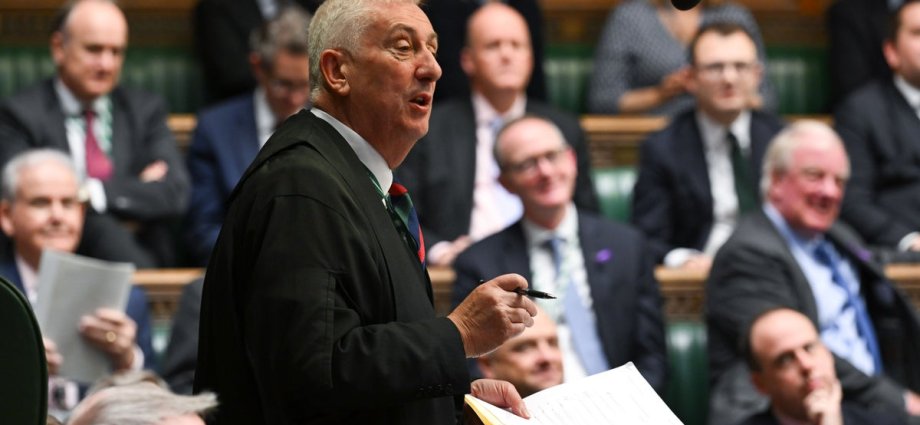
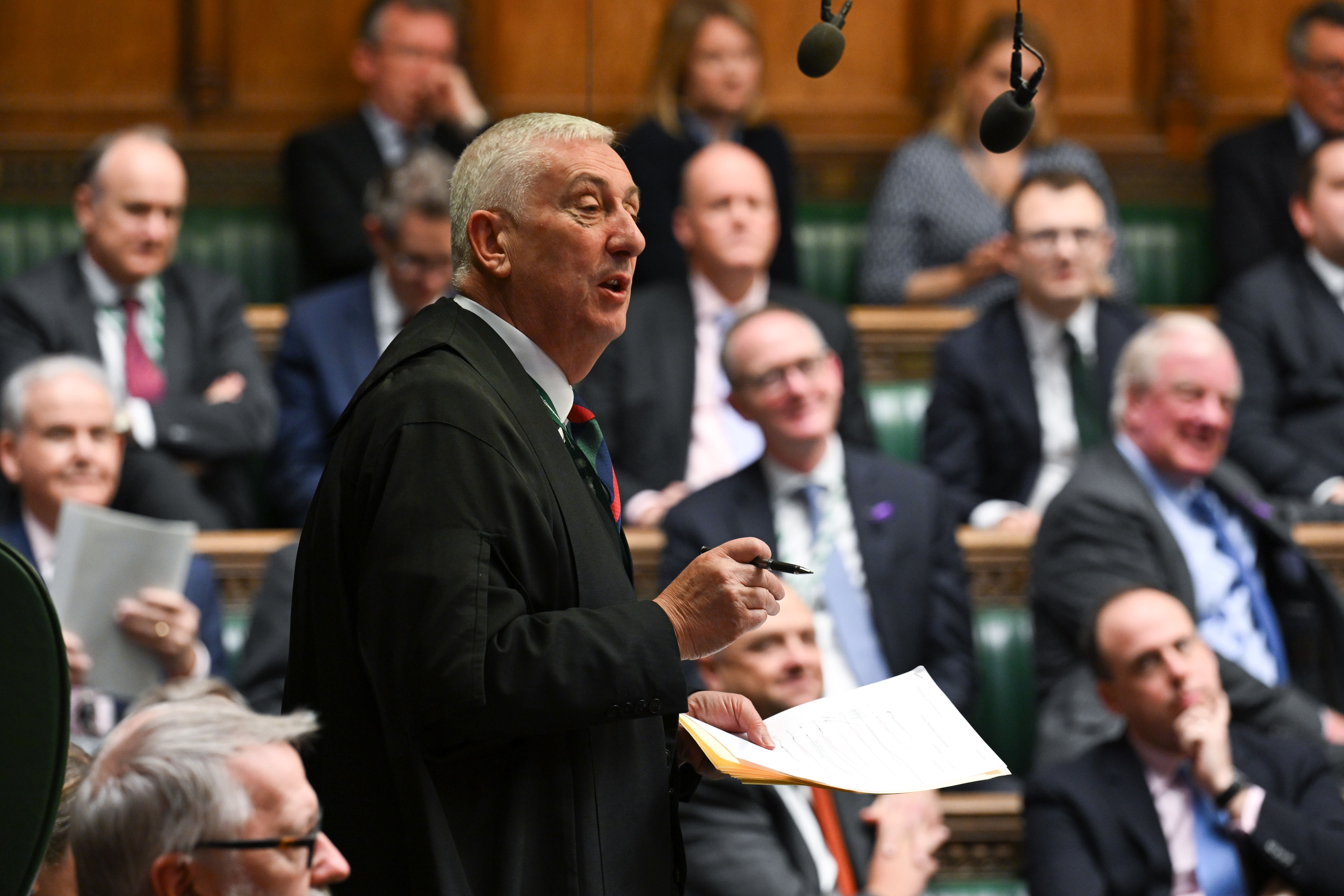
The Commons speaker, Sir Lindsay Hoyle, has written to parliamentarians to caution them over their use of WhatsApp and other messaging apps.
It comes after they were told last month to be careful about similar attempts at recruitment linked to the Chinese intelligence service.
The prime minister’s official spokesperson said the warning was a matter for the speaker, but added: “I think we have been very clear, as have the various security agencies … in this country about the threat posed by hostile state interference from Russia, and we’ve set that out explicitly many times.”
The National Cyber Security Centre (NCSC) said it was working with the government and parliament to counter recent “phishing” attempts understood to be linked to Russia.
A government spokesperson said: “Spear-phishing is a common but all-too-effective tactic used by threat actors attempting to gain access to information, online accounts and devices.
“The National Cyber Security Centre is working with partners in government and UK parliament in response to recent targeting against commercial messaging apps, including Signal and WhatsApp.
“We strongly encourage individuals at high risk of being targeted to follow the NCSC’s guidance and to sign up for our cyber defence services to help bolster their protection.”
Under plans announced by the security minister last month designed to disrupt espionage threats to the UK, the intelligence services will deliver security briefings for political parties.
Election candidates will also receive new guidance to ensure they can recognise and report suspicious activity.
Work will also be carried out with networking sites to disrupt spies’ attempts to use them.
In addition, the security minister announced £170m would be spent updating the encrypted technology civil servants use to safeguard sensitive work, while another £130m will also be invested in a number of projects, including bolstering the police.
There was an outcry last month after it emerged that a Russian spy ship targeted RAF pilots with lasers.
Defence minister Al Carns hit out after the vessel, the Yantar, was found operating off the northern coast of Scotland and pointed lasers at the surveillance aircraft monitoring its activities.
No one was injured, he told MPs, but the move was a “highly dangerous and reckless attempt to disrupt our surveillance”.
MPs were being targeted by China with lucrative job offers on LinkedIn, according to the intelligence services.
The attempts emerged following a furious row over a collapsed spying case involving China.
MPs were outraged when the Crown Prosecution Service (CPS) unexpectedly dropped charges against two men, Christopher Cash and Christopher Berry, saying the case collapsed because the government’s evidence did not show that China represented a threat to national security at the time of the alleged offences.